Bridgwater Angling Association Ltd
BackBridgwater Angling Association Ltd is a long‑established freshwater fishing club offering access to a wide range of waters for coarse and predator anglers, with a history that dates back to 1905 and a formal company structure in place since the early 1990s. Its aim is to provide safe, well‑managed venues where members can enjoy their sport while supporting the long‑term health of local fisheries and wildlife. For anglers looking for organised access to rivers, drains, ponds and canal stretches under one umbrella, this association represents a structured way to enjoy regular sessions on club waters.
The club controls several noted coarse venues including Combwich Ponds, Dunwear Ponds and stretches of the Bridgwater & Taunton Canal and local drains, giving members a genuine choice of mixed fisheries rather than a single small water. Traditional coarse anglers will find opportunities for roach, bream, tench and perch, and there are also recognised chances for pike for those equipped with appropriate predator tackle and handling gear. For many locals, having multiple venues on one ticket can be a cost‑effective alternative to paying separate day fees across different commercial fisheries.
As a membership club, Bridgwater Angling Association works on a permit system with options for adults, seniors, disabled anglers and juniors, and offers both season and day access for those who want flexibility. Prices vary according to the number of rods permitted, with tiers for one to four rods so that pleasure anglers, specimen hunters and pike specialists can select the level that fits how they actually fish. For families and younger anglers, reduced junior rates help to make coarse fishing more accessible, which can be important when introducing children to the sport.
One of the association’s strengths is the breadth of waters included on the card, particularly for anglers who appreciate natural or semi‑natural venues rather than heavily commercialised pools. Combwich and Dunwear are long‑term assets owned or managed by the club, giving a sense of continuity and allowing habitat work, stocking decisions and bank maintenance to be planned with the future in mind. Canal and drain sections add a more traditional style of angling, where careful presentation and watercraft can be more important than sheer stocking density.
For those who value classic angling club waters, comments from some experienced coarse anglers highlight the appeal of the Bridgwater tickets, especially for people who enjoy weedy canals, natural margins and the challenge of building a weight from wild fish rather than relying solely on recently stocked carp. Club matches and open venue bookings introduce a social and competitive side, with events on the Bridgwater & Taunton Canal and other waters attracting anglers who appreciate a more traditional style of match coarse fishing. The association also supports the sport through coaching sessions and introduction‑to‑angling events, which can be reassuring for newcomers who want guidance on rigs, bait and watercraft before heading out alone.
Fishery rules are detailed and structured, which many committed anglers see as a positive sign that the club is serious about welfare and fair sport. Limits on the number of rods, clear expectations around closed seasons, and specific standards for pike tackle and unhooking equipment help to protect fish stocks and reduce avoidable damage, especially on venues where large predators and specimen coarse fish are present. Anglers targeting pike, for instance, are required to use adequate line strength, wire traces and proper unhooking equipment such as large landing nets and substantial unhooking mats, reinforcing responsible predator fishing practice.
From a safety and environmental standpoint, rules preventing fishing near overhead power cables and restricting access to authorised banks demonstrate an effort to balance access with risk management and landowner agreements. Time‑of‑day limits on some drain and canal sections, with fishing restricted to daylight plus a buffer either side of sunrise and sunset, reflect a compromise between angler access and considerations such as local residents, wildlife and enforcement practicality. For potential members who prefer structured, rule‑led coarse angling, this level of detail can be reassuring.
However, potential members should also weigh up a number of criticisms that appear in online feedback about Bridgwater Angling Association’s waters and the experience on the bank. A recurring theme in some recent comments is the behaviour and attitude of at least one bailiff, with a small number of anglers reporting encounters they describe as overly aggressive, dismissive towards their tackle, or focused on demanding licences before any basic courtesy. For casual or younger anglers, this kind of interaction can be off‑putting and may discourage them from returning, particularly if they are just starting out in coarse fishing and still building confidence.
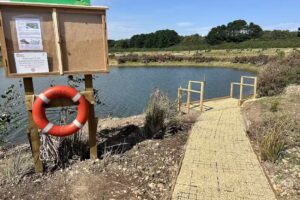
Other reviews highlight mixed perceptions of the waters themselves, especially on certain canal or drain stretches. Concerns include shallower areas, a perception of limited stocking, weed growth and reedbeds that can make some banks difficult or almost impossible to access for less mobile anglers or those fishing with children. One angler who had hoped to fish a small, easy‑access canal stretch with a grandchild was particularly disappointed by banks heavily covered in reeds and platforms that appeared to be oriented more to boat use than to bank coarse anglers.
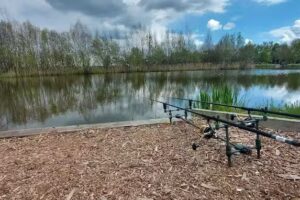
For some club members, features such as weed, snags and natural cover are actually part of the attraction, providing holding areas for tench, bream, roach and perch, and rewarding those who adapt their tackle and rigs to more demanding conditions. Others, especially those expecting manicured pegs and uniform depths similar to commercial carp pools, can feel that the level of bank work and access on certain waters does not match their expectations or the cost of a full‑season ticket. This divide between anglers who embrace traditional, more challenging waters and those who prefer highly maintained platforms is worth considering before joining.
Price is another area where opinions differ. While some anglers view the season tickets as good value given the range of waters and the ability to use up to four rods on the right permit, others feel that the cost is significant, especially if they do not intend to use multiple rods or if they encounter issues with access, weed or perceived stocking levels. Historical discussions also show that increases in multi‑rod ticket prices have been controversial in the past, particularly for disabled and senior anglers who rely on more affordable permits to keep regular angling viable.
On the positive side, the association appears to be actively managed, with a defined committee including a chairman, water managers and membership administration, which can make communication and decision‑making more transparent for those who choose to get involved. The longevity of the club and its active company status underline that this is not a short‑term operation but a long‑running organisation that has overseen local freshwater fishing for generations. Members who wish to have a say in how waters are run may find opportunities to contribute via meetings, feedback and voluntary work parties.
Prospective members considering Bridgwater Angling Association will benefit from thinking carefully about how they fish and what they value most in their coarse fishing. Anglers who enjoy natural venues, are comfortable with weed and snags, and appreciate the challenge of reading less‑pressured waters are likely to find the choice of ponds, canal and drains appealing, especially with a structured rule set and an emphasis on fish welfare. Those who expect very easy access, heavily platformed banks and high stocking densities in every swim may feel less satisfied unless they select waters and methods that align with the more traditional, club‑water feel that characterises much of the association’s portfolio.
Online opinions about Bridgwater Angling Association vary from very positive to strongly critical, which suggests that personal expectations and fishing style play a major part in how the club is experienced. Some anglers consider the ticket excellent value for classic, varied coarse angling, while others focus on individual negative encounters with bailiffs, access issues or specific sessions where fishing has been slow. For anyone thinking about joining, speaking with existing members, checking recent catch reports and viewing the waters in person before committing to a full season can provide a clearer picture of whether this style of club membership matches their own approach to freshwater fishing.