Brighton Charter Fishing – Brigand
BackBrighton Charter Fishing - Brigand has developed a reputation as a focused, no‑nonsense option for anglers who want serious sea fishing rather than a generic pleasure cruise. The operation is built around purpose‑designed charter vessels and a crew that prioritises putting guests onto fish, safety on board and clear communication before and during each trip. For potential customers this combination can be very appealing, although the same specialist approach also means it will not suit every casual visitor or those looking for simple sightseeing.
The heart of the business is its main boat, Proteus, a 10‑metre Blyth Workcat with a 5‑metre beam, powered by twin 280hp engines and coded to operate far offshore. This design gives a stable platform with enough power to cruise quickly to wrecks, banks and reefs, reducing travelling time and maximising actual fishing time. Anglers frequently remark that, even when the sea is unsettled, the boat feels capable and secure while still covering a large amount of ground in search of fish. For those planning longer offshore trips or wreck sessions, this level of comfort and capability can make a real difference to how enjoyable the day feels, especially once fatigue and weather start to play a role.
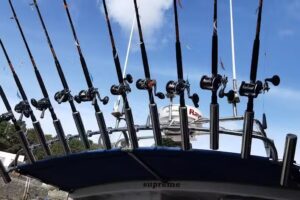
On board, the layout of Proteus is deliberately geared towards angling rather than tourism. The island wheelhouse leaves close to 100 feet of usable rail space, so even with a full complement of 12 people each angler has more than two metres of room to work, bait up and play fish without constantly tangling with neighbours. Facilities such as a vacuum‑flush toilet, an inverter, a microwave and a dedicated hot‑water boiler for drinks reflect the intention to keep people comfortable over full‑day sessions. An unusual but significant feature is the boat’s own flaked ice machine, which allows catches to be stored in prime condition for the journey back to the marina; this is especially valued by anglers targeting table fish such as turbot, brill or bream where quality on the plate is important. These touches support the business’s positioning as a premium platform for serious sea anglers rather than a basic trip boat.
The trip schedule is structured to cover most of the key styles of UK sea angling, giving customers plenty of choice. Brigand offers inshore and offshore sessions, dedicated wreck fishing, banks fishing, species hunts, night fishing and longer extended offshore trips of twelve hours or more. There are also shorter coastal and wind farm tours and family‑friendly options in the two‑to‑three‑hour range, plus half‑day or day‑long outings aimed at more experienced anglers. This means someone could book anything from a quick introduction to sea angling to a highly targeted specialist trip for a particular species or technique. For those interested in specific experiences, such as conger sessions, offshore bass work or inshore bass for experienced lure anglers, the public schedule often lists precise dates, durations and remaining spaces, which helps with planning.
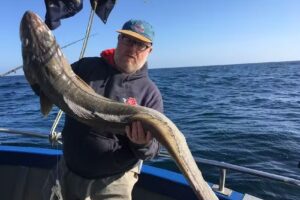
The range of target species is a major draw for many regular customers. Across logged trips the boat has reportedly produced more than twenty species, including cod, pollack, bass, black sea bream, conger eel, turbot, brill, various rays, gurnards, smooth‑hounds and mackerel. Seasonal planning is built into how trips are advertised: cod are usually targeted inshore over winter, bass and bream feature more in spring and summer, while turbot and brill tend to be associated with offshore banks and wrecks. More recently, Brigand has become noted for its role in licensed bluefin tuna fishing, claiming to have been the first boat to land a bluefin out of Sussex and recording a strong average catch rate across one of the recent seasons. For serious anglers, this ability to chase everything from inshore bream to offshore tuna on the same charter platform is a significant advantage, and helps justify travelling to Brighton for a dedicated trip.
The business openly describes itself as a boat for committed anglers rather than casual stag or hen groups. There is a clear policy of no rod hire, no stag or hen parties and no pure sightseeing trips, framed as a commitment to ‘good honest fishing’ for people who take their angling seriously. This appeals strongly to regulars who want to avoid crowded decks full of non‑anglers and to spend the day focused on sea fishing rather than party activities. The flip side is that absolute beginners hoping for a fully guided introduction, including tackle hire and very simple tuition, may find they need to arrive better prepared or choose a different operator more geared towards entry‑level outings. For families with children or mixed‑ability groups, it is important to check the suitability of a chosen trip in advance so that expectations match what is actually offered on the day.
Skipper Steve is central to how the business is perceived, and reviews highlight both strong positives and occasional criticisms. Many anglers praise his work ethic, describing how he keeps moving between wrecks, reefs and banks in difficult conditions to find fish, and how he continues to change tactics or marks until the crew is in contact with bass, squid or other targets. Several comments emphasise that, even when the weather or tides make the day challenging, the skipper “does not stop trying”, which gives paying customers confidence that their time and money are being respected. Safety briefings at the start of long wreck trips and the general feeling of being in capable hands are mentioned repeatedly, which is important for those heading a long way offshore or new to such conditions.
Customer feedback also often highlights the skipper’s willingness to share knowledge. On wreck and bank sessions, guests mention that he and the deckhand help with rigs, suggest the most effective methods for the day and talk through changes in tactics when bites slow down. Beginner mistakes are reportedly corrected calmly, with explanations rather than criticism, which can make the experience less intimidating for relatively new boat anglers. When guests are unsure about what tackle to bring, there is usually prior communication by message or phone to clarify suitable rods, lines and lures for the planned grounds. For many customers, this level of engagement before and during the trip is a key part of the overall value, especially when they are targeting unfamiliar species or techniques.
However, experiences are not universally identical and there are hints of occasional tension. At least one recent reviewer mentions a previous skipper being short‑tempered and overly sharp with guests, describing interactions that felt closer to bullying than professional coaching. That comment sits alongside praise for a newer skipper and for highly capable crew members, suggesting that the onboard atmosphere can depend on which individuals are present and how busy the day is. Prospective customers who are sensitive to a more blunt or direct communication style may want to take this into account, as high‑intensity boat fishing environments can sometimes feel pressured when the crew is working hard against tight tidal windows or fast‑changing weather. That said, most recent feedback leans towards describing a friendly but focused operation where the emphasis is firmly on results.
The deck crew typically also receive positive comments. Regular anglers mention helpful assistance from hands such as Andrew or Nick, noting that they move quickly to untangle lines, lift fish, suggest improvements to rigs and keep the deck running efficiently even when there are many people on board. This support can have a big impact on how much actual fishing time each guest enjoys, particularly on busy wrecks where multiple anglers may hook fish at once. When the boat is full, the combination of skipper and deckhand working in sync is often what keeps the session flowing, especially on longer twelve‑hour wrecking or species‑hunt trips. For individuals booking alone onto shared trips, this can be reassuring because the atmosphere tends to be cooperative rather than competitive, with crew encouraging better angling practice rather than simply acting as drivers.
In terms of what is realistically achievable, customer accounts are generally clear that catches can vary widely, and that even with a determined skipper there will be days when the fish are harder to find. Some reviews describe exceptional sessions with multiple turbot, brill or quality bass, while others admit that the bag was lighter than hoped, but recognise that this is simply how sea angling works. Importantly, even on slower days, people note that the skipper continues to try different marks and methods rather than sitting on a single spot, which is often seen as a sign of a professional operation. Potential customers should therefore approach any charter with realistic expectations: Brigand cannot guarantee fish, but its track record on a wide range of species, including high‑profile targets like bluefin tuna, indicates that the platform and crew are well equipped to make the most of whatever conditions prevail.
The booking structure, with clearly advertised individual spaces and a published calendar for specific types of trips, helps anglers slot outings into their own schedules. Listings often specify whether a session is aimed at experienced anglers only, which is particularly relevant for more technical inshore bass or wrecking work where basic skills are assumed. This transparency allows people to choose between relaxed sea fishing trips and more demanding targeted sessions that may involve longer steaming times, heavier gear and a stronger focus on results. Nonetheless, those who have never set foot on a charter boat before may benefit from contacting the operator beforehand to ensure that the chosen outing matches their abilities and expectations, especially if they are prone to seasickness or nervous about being far offshore.
For visiting anglers arriving by car, the availability of free parking at the marina car park is a practical advantage, as it removes one cost and logistical concern from what can already be an early and lengthy day. The marina location itself offers easy access to a variety of grounds, from inshore reefs to offshore wrecks, without the long harbour approaches found in some other ports. This means more time spent actually fishing and less time tied up in slow channels or river systems. For individuals or small groups planning repeated trips, this convenience can be as important as the on‑board facilities.
Overall, Brighton Charter Fishing - Brigand presents itself as a specialist choice for those who value focused charter fishing and are willing to engage with the demands of offshore angling. Its strengths lie in a capable and well‑equipped boat, a broad menu of trip types, a strong species record and a skipper who is widely regarded as hard‑working and safety‑conscious. The main drawbacks are that the operation is less suited to very casual visitors or purely social groups, and that, as with any serious sea fishing charter, the intensity of the environment and the directness of the crew will not appeal to everyone. For potential customers who understand these trade‑offs and arrive prepared with the right expectations and equipment, Brigand offers a robust platform to pursue everything from inshore bass and bream to wreck pollack, turbot and even licensed bluefin tuna out of Brighton.