Broughton Angling club
BackBroughton Angling Club is a long‑established coarse fishing club that has been offering accessible angling in north Manchester since 1961, with a focus on practical, good‑value membership rather than glossy marketing promises.
The club manages four main waters – Ashenhurst, Whittlebrook, Bowker and Simister – giving members a choice of different settings and target species without having to travel far from home. These venues are described as well stocked and maintained, with secure access behind locked gates, a point that appeals to anglers who want relaxed sessions without constant disturbance. For many local fishermen and women, this combination of multiple waters and simple membership makes the club a realistic alternative to more commercial day‑ticket venues.
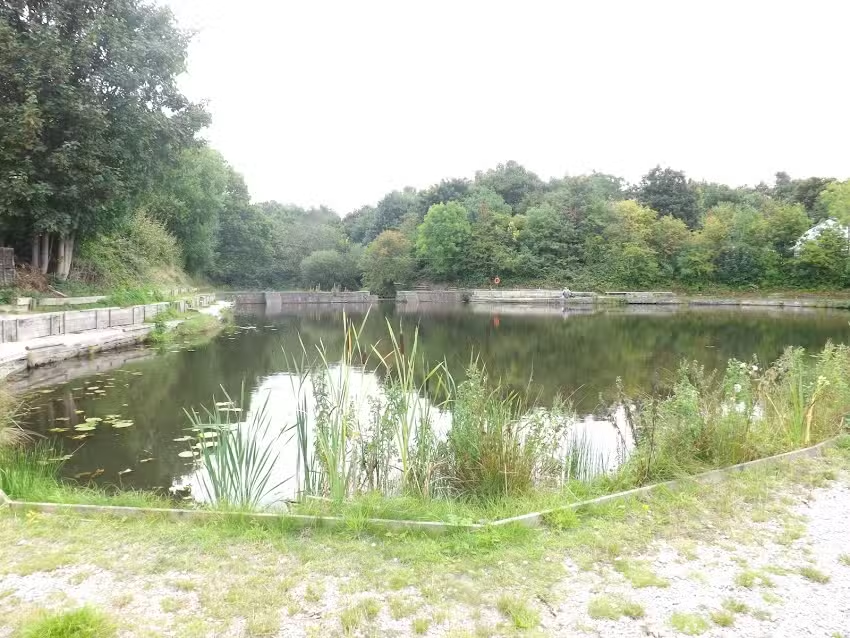
From the perspective of someone searching for a reliable base for coarse fishing or carp fishing in Greater Manchester, the breadth of waters is an obvious strength. Ashenhurst is highlighted as a disabled‑friendly water, with on‑site toilet and sink, and relatively level access once on the bank. Whittlebrook offers large platform pegs and a reasonably flat layout after the initial short hill down to the gate, giving pole and feeder anglers plenty of room to set up. Bowker, reached via a side road off Bowker Bank Avenue and with its own car park and ramp or steps to the lake, is often the water that people associate most strongly with the club, thanks in part to its long history and the affection many local anglers have for it. Simister, accessed through a farm gate and a path across the fields, has a more secluded feel and suits those who enjoy a quieter session away from traffic.
For anglers comparing options across Manchester, one notable advantage is cost: the club presents itself as one of the cheapest fishing clubs in the city while still providing four secure waters. Combined with the possibility of joining online, with open membership and no long waiting list, this creates a relatively low barrier to entry for anyone who wants regular access to fishing lakes without paying individual day‑ticket fees every time they go. New members are trusted to sign up digitally, read the rules and follow them, which suits experienced anglers who already understand club etiquette.
The club culture leans strongly towards hands‑on involvement from members. Monthly work parties and regular Wednesday sessions are used to keep the waters in good condition, maintain pegs and banks and deal with litter or overgrown areas. This model tends to appeal to anglers who like to feel part of a community, and who are prepared to contribute a few hours so that everyone benefits from cleaner, tidier banks. Monthly meetings, held on the first Tuesday of each month at a local venue, are used to share club news, discuss rules or access issues and answer member questions face to face. For anyone who prefers personal contact rather than only social media updates, this structure is a positive feature.
Feedback from members and visitors is mixed but generally favourable towards the recent running of the waters. Some long‑standing anglers describe Broughton Angling Club as a fantastic club where they have held membership for years, suggesting that the day‑to‑day experience on the bank is friendly and enjoyable. Others simply call it a lovely place, highlighting the pleasure of fishing there rather than listing specific facilities. Comments that the waters are always well kept support the club’s own emphasis on regular work parties and maintenance. Together, these remarks suggest that the current committee and volunteers put consistent effort into presenting tidy, fishable pegs rather than letting venues become neglected.
However, not all feedback is positive, and potential members should be aware of some of the concerns raised. One review from a local angler with a long association to the site expresses strong disappointment at changes to Bowker, referring to it as once being the “jewel in the crown of the north” and lamenting the loss of parts of the complex such as the bottom lake, known by names like Conker Tree and Horseshoe. The reviewer points out that industrial development at the bottom of the site has removed jobs and homes, and that the person who used to live there played a big role in keeping order and maintaining a special atmosphere. In their view, while the top lake remains, the overall feel of the venue has changed significantly, and they describe the situation as sad compared to its past.
This criticism does not directly target the club’s management, with the reviewer explicitly stating that they do not blame the club but rather the landowner and wider development pressures. Even so, it highlights an important reality for anyone thinking about joining: Broughton Angling Club operates in an urban and semi‑industrial landscape, and some waters have been affected by changes beyond the club’s control. Anglers drawn by nostalgic stories of Bowker in previous decades may find that the current layout and surroundings feel different, even if the top lake remains fishable and popular.
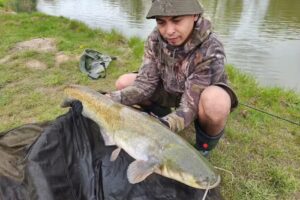
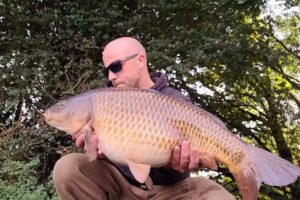
From a practical angling perspective, the waters offer a variety of sport for those who enjoy coarse fishing for species such as carp, bream, tench and silvers, although detailed stocking lists are not heavily promoted. A members’ catch gallery on the club’s online channels allows anglers to share notable captures, which can help new members gauge the size and quality of fish being caught without relying solely on word of mouth. For buyers of fishing tackle in Manchester, the club is often mentioned alongside local tackle shops and larger retailers in regional angling directories, underlining its role in the wider angling scene rather than as a commercial retailer in its own right.
Accessibility is an important consideration for many anglers, and Broughton Angling Club makes some effort in this area. Ashenhurst’s disabled‑friendly design, with appropriate facilities and more level banks, is particularly relevant for older members or those with mobility challenges. Bowker’s car park and ramp access down to the lake also make it easier to get gear to the pegs without long walks, although the dirt track approach may still feel a little rough in poor weather. The club’s waters are secured behind locked gates, which enhances safety and reduces non‑angling disturbance but also means members must manage keys, badges or access codes correctly.
Membership administration is handled both online and through traditional channels, and there is email support for new and existing members who need help arranging or renewing membership or clarifying rules. The club also uses its website and social media to communicate about meeting dates, access updates and any temporary restrictions, as seen during previous public‑health restrictions when specific rules about distancing, valid badges and landing nets were emphasised. For potential members who value clear, up‑to‑date information, this multi‑channel approach can be reassuring, provided they are willing to check notifications before heading out.
For those primarily interested in local carp fishing, one of the club’s attractions is the ability to fish secure waters regularly without the feel of a commercial fishery. Regulars often appreciate the social side – from chatting with other anglers on the bank to attending monthly meetings – and the sense of familiarity that comes from returning to the same pegs throughout the seasons. On the other hand, anglers who prefer heavily promoted specimen waters with explicit publicity about double‑figure or larger carp, on‑site shops and extended facilities may find Broughton Angling Club more modest and community‑focused than some private fishing lakes advertised further afield.
The balance of pros and cons largely depends on what a potential member is looking for. Strengths include relatively low cost, multiple secure waters, some accessible pegs, active maintenance through work parties and a long local history that gives the club a distinct identity. Positive comments about well‑kept waters, friendly atmosphere and the enjoyment of fishing there support the impression that many members are satisfied with what is on offer. On the downside, the impact of external development on parts of Bowker, the urban surroundings and the reliance on members’ voluntary work may not suit anglers who want pristine, rural venues or fully serviced commercial complexes.
Overall, Broughton Angling Club positions itself as a practical choice for anglers in north Manchester who want regular access to secure club waters, a straightforward membership process and the chance to be part of a working, member‑driven organisation. Anyone considering joining would benefit from reading the club rules carefully, looking at recent catch photos and, if possible, speaking to existing members at a meeting or on the bank to get a feel for the current state of each water. Weighing up the strong sense of local community and affordable access against the urban location and the changes to certain parts of the Bowker site will help potential members decide whether this particular club fits their expectations for coarse fishing and carp fishing in the Manchester area.