Burns Trout Fishery
BackBurns Trout Fishery is a long‑established venue for anglers who enjoy dedicated waters focused on trout and coarse species, offering a blend of stocked fishing and natural wildlife that appeals to both regulars and visitors trying somewhere new.
The fishery is known primarily for its trout lochs and mixed coarse water, giving anglers the option of traditional fly tactics or more relaxed bait and float methods on the coarse pond. Visitors often highlight the setting as a key part of its appeal, with open views across the lochs, birdlife on the islands and a sense of space that suits those looking for an unhurried day by the water. For anglers searching online, this makes it a credible option when looking for a trout fishery or coarse fishing venue in this part of Scotland.
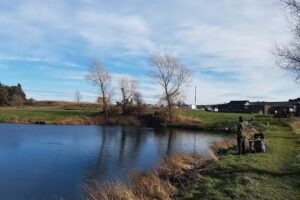
The trout side of the venue has historically attracted families and casual anglers who want the chance to take home fish as well as enjoy the day itself. Some visitors describe outings where they have landed several healthy rainbow trout on bait, praising the condition of the fish and the atmosphere created by the team on site. These positive experiences suggest that, at its best, the fishery can deliver exactly what many people expect from a commercial trout water: accessible banks, straightforward tactics and the realistic prospect of fish on the bank without needing advanced techniques.
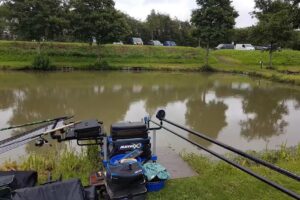
On the coarse side, Burns Trout Fishery offers a mixed pond where a variety of species keep bites coming, which is a strong attraction for those who prefer coarse fishing lakes over single‑species waters. Anglers report sessions where they have caught several different species, including mirror and common carp that are notable for their size and fighting qualities. The coarse loch has developed a reputation for producing fish that have steadily gained weight over the years, with carp commonly reported in the 3–10 lb range, which is appealing for those searching online for carp fishing venues that offer consistent sport rather than specimen‑only fishing.
An important strength of the fishery is the variety of methods that can be used effectively. Float fishing, feeder tactics and waggler approaches are all mentioned as viable options on the coarse loch, meaning that both traditional coarse anglers and those crossing over from game fishing can feel at home. Together with fly fishing opportunities on the trout waters, this means one venue can cater for people who might normally look separately for fly fishing, coarse fishing, and family fishing venues.
Several anglers comment positively on the general layout and access, noting that the site has been designed to make the banks straightforward to reach and the pegs easy to fish from. In its better periods, visitors have described the facilities and grounds as neat and tidy, which helps when planning a longer day session or bringing less experienced companions who may be more sensitive to comfort and presentation. The presence of clear paths, accessible banks and an open layout can be reassuring for those who may be returning to angling after a break or introducing children to fishing for the first time.
Hospitality has also been a notable point of praise in some accounts. There are reports of anglers feeling genuinely welcomed, with staff going out of their way to offer small gestures that make the day feel more personal, such as checking in on anglers around the water and offering refreshments. This kind of interaction can make the difference between a simple day’s fishing and a memorable trip, particularly for families or mixed‑ability groups who value a friendly, approachable atmosphere as much as the fishing itself.
Wildlife is another recurring theme in visitors’ experiences, with swans, cygnets, ducks, ducklings and even the occasional peacock mentioned around the lochs. For many, this adds to the sense of relaxation, as the fishery doubles as a quiet space to sit, watch the water and enjoy the birdlife in between bites. While serious anglers may prioritise catch rates, those who value a pleasant setting and a broader outdoor experience often see this as a key reason to choose the venue over more utilitarian day‑ticket waters.
However, feedback about Burns Trout Fishery is not uniformly positive, and potential visitors should be aware of some contrasting opinions, particularly regarding maintenance standards in recent times. Some anglers have reported that sections of the trout ponds have become heavily weeded, with thick weed beds extending a significant distance out from the bank. In at least one detailed account, this heavy weed growth was linked to concerns about water quality and fish welfare, including observations of low oxygen, dead trout along the margins and fish showing visible damage.
According to anglers who have visited recently, the perception exists that maintenance attention has been focused more on the coarse pond, which has been performing well and attracting regular coarse anglers, while some of the trout waters appear less actively managed. For customers who specifically search for rainbow trout fishing or stocked trout lakes, this difference in maintenance between the coarse and trout areas can lead to disappointment if expectations are based on older reviews that describe uniformly tidy, well‑kept banks. It highlights the importance of checking up‑to‑date angler feedback before a visit, especially for those planning longer drives or group outings.
Facilities are another area where opinions vary. While some anglers find the basic on‑site amenities adequate for a day session, others have singled out the toilets as an aspect that could be improved, describing them as the one notable negative in an otherwise enjoyable visit. For families, older visitors or those planning full‑day sessions, the standard of washroom facilities can be an important factor, so this is a point to bear in mind when weighing up the venue against other day ticket fisheries.
The mix of reviews over time suggests that Burns Trout Fishery has gone through periods of strong presentation and careful upkeep, and more recent phases where some parts of the fishery may not have received the same level of attention. Older comments emphasise tidy grounds, excellent access and well‑managed pegs, while more recent critical feedback points to weed encroachment, stretches of water that feel neglected and the sense that not all ponds are maintained to the same standard. For potential customers, this means that while the venue still offers genuine strengths, experiences can differ depending on which pond is chosen, current maintenance levels and personal expectations.
For anglers focused on carp fishing lakes or mixed coarse sessions, the coarse loch is widely regarded as the current highlight of the venue, with consistently good reports of carp that fight hard and provide engaging sport throughout much of the year. The range of methods that can be used and the variety of species present help make it suitable for those learning new techniques as well as more experienced coarse anglers who enjoy steady action. This is particularly appealing for visitors who prioritise regular bites and flexible tactics over more specialised game fishing.
For those whose main interest lies in trout fishing, the picture is more mixed. There are still accounts of enjoyable sessions with multiple fish landed and healthy rainbows taken home, but these sit alongside criticisms about weed, fish losses and the feeling that some areas of the trout fishery do not perform as consistently as they once did. Anglers who value clear banks, open water and visibly active fish stocks may therefore wish to contact the fishery in advance or look at very recent comments from other visitors to understand the current condition of specific ponds.
One of the enduring attractions of Burns Trout Fishery is its suitability for a wide spectrum of anglers, from those making their first casts to more seasoned visitors who travel with specific tactics and target species in mind. The presence of both trout and coarse options means that groups with mixed interests can share the same venue while focusing on different styles of angling, which is not always possible at single‑discipline waters. When the maintenance and fish stocks are aligned with expectations, this flexibility makes the fishery a useful choice for families, clubs and friends seeking trout fisheries, coarse fishing venues and carp fishing in one place.
Overall, Burns Trout Fishery offers a combination of strengths and weaknesses that potential visitors should weigh carefully. On the positive side, there is an attractive setting with abundant wildlife, a coarse loch that many anglers rate highly for active sport and carp growth, and a track record of friendly, helpful staff who can create memorable days for families and casual anglers. On the negative side, concerns about weed and maintenance on some trout waters, together with variable feedback on facilities, mean that experiences can differ and that expectations shaped by older, uniformly positive comments may not always be met.
For anglers searching for trout fishing, coarse fishing lakes, or carp fishing options in this region, Burns Trout Fishery remains a venue worth considering, particularly if the mixed coarse pond aligns with their priorities and they value a natural setting and relaxed atmosphere. A balanced view suggests that those who decide to visit will benefit from focusing on the areas currently receiving the most positive feedback, being prepared for some variation in maintenance standards between ponds, and approaching the fishery with a clear idea of the type of day they want on the bank.