Cadover Lakes
BackCadover Lakes operates as a day-ticket coarse fishery set around a series of attractive lakes, offering a mixed experience for anglers who want accessible freshwater fishing without travelling to a large commercial complex. The site focuses on relaxed, traditional coarse angling rather than highly commercialised match waters, which appeals to many visitors looking for a straightforward day out with rod and net. Its waters hold a variety of coarse species, so it can suit both casual visitors and more committed anglers looking to fine‑tune their approach over repeated visits.
The fishery is best known among local anglers as a friendly venue to target mixed coarse fish rather than record‑breaking specimens, and this defines a lot of what it does well and where it can frustrate more competitive visitors. Those who enjoy experimenting with different rigs and baits appreciate that these are lakes you have to work at; sessions can be challenging, but this is precisely what some coarse anglers value in their sport. Others, however, looking for instant action from heavily stocked waters may find the fishing less predictable and need to adjust expectations.
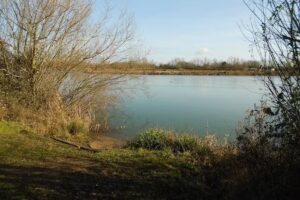
One of the most cited strengths of Cadover Lakes is the sense of space and setting around the water. Anglers regularly comment that the lakes are beautiful, with bankside scenery that adds a lot of value to a long session on the bank. Even when the fishing is slow, visitors tend to appreciate the surroundings, which makes it easier to bring non‑angling family or friends who want somewhere pleasant to walk or relax while others fish. For some, that mix of angling and general outdoor leisure is a key reason they keep returning.
From a practical angling perspective, Cadover Lakes offers straightforward bank access and pegs that most coarse anglers can use without specialist equipment. For day sessions, many visitors report that they can settle into a swim comfortably and spend the day steadily working out how best to approach the water. Simple float tactics, light feeder rigs and basic ledger setups all have their place, and regulars highlight that being prepared to stay mobile and adapt to conditions often pays off. The fishery therefore suits anglers who enjoy reading the water and are willing to think on their feet.
In terms of species and sport, there is a recognised variety of coarse fish rather than a single‑species focus. Reports from returning anglers mention that some days are hard going, but that persistence is often rewarded with mixed bags rather than repetitive catching of identical fish. That variety adds interest for anglers who want a more authentic coarse fishing experience, where watercraft and patience matter just as much as tackle choice. It also makes the site useful for those who want to build skills over time, learning how the lakes respond to different conditions through the year.
For newcomers, one of the immediate attractions is that Cadover Lakes does not demand highly specialised equipment. A well‑balanced medium rod, a reliable reel and a selection of basic coarse tackle are usually enough to get started. Commonly used setups include a general‑purpose float rod paired with a simple waggler arrangement for margin fishing, and a light feeder rod for casting to features or deeper spots. Many visiting anglers appreciate that they do not need to invest in a full competition kit before feeling comfortable on these banks.
Because this is a working coarse fishery rather than a public park water, rules and expectations around behaviour matter. Some visitors describe the overall atmosphere around the lakes as positive and relaxed, with anglers generally respecting one another’s space and focusing on their own sport. However, experiences are not entirely consistent. A number of reviews point out concerns about angler behaviour during organised events or at busy times, including issues with line etiquette and a lack of respect for others’ pegs, which can quickly undermine the otherwise calm environment.
One critical comment that stands out relates to a past fishing competition where a visiting angler felt the event was poorly managed and unfairly run. According to this account, competition rules around staying in one peg and not casting over other anglers were not enforced evenly, and a relative of the organiser was perceived to have an unfair advantage. This kind of feedback will naturally concern potential visitors interested in organised matches, because trust in the fairness of events is as important as the quality of the fishing itself. While such reports may reflect specific incidents rather than everyday practice, they highlight the importance of clear rules and consistent on‑bank supervision.
General behaviour on the banks also receives mixed feedback. Some anglers describe the people they meet at Cadover Lakes as friendly and welcoming, particularly on quieter days when regulars have time to chat and offer tips. Others, however, have been disappointed by occasional poor conduct, both in terms of how some anglers interact with one another and how they treat the environment. Comments about people being "horrible" may be subjective, but they suggest that the social side of a day’s fishing at Cadover Lakes can vary considerably from one visit to another.
Environmental standards are another area where the fishery’s strengths and weaknesses show clearly. The physical lakes themselves are widely praised as beautiful, and many visitors enjoy the natural feel of the water and the surrounding land. At the same time, there are frustrations about litter left by some anglers, particularly on busy days. When rubbish and discarded tackle accumulate around the pegs, it detracts from the visual appeal of the lakes and raises concerns about the welfare of fish and wildlife, especially when waste includes line, hooks or bait packaging.
The management of overnight access has also evolved over time. Some long‑term visitors remember when staying overnight was permitted and saw this as a major plus for those who enjoy extended sessions. More recent feedback confirms that overnight stays have been banned, which is a disappointment for anglers who enjoy long campaigns or prefer to fish through the hours when specimen fish are often most active. On the other hand, restricting nights can help reduce anti‑social behaviour, noise and pressure on the banks, so some day‑anglers may welcome the change even if it restricts options for others.
The lakes are generally presented as being available throughout the week, which is particularly convenient for those whose work patterns do not allow weekend fishing. Being able to arrive early or late and still find access is attractive to many coarse anglers who prefer to fish outside the busiest periods. This flexibility, however, also means that at peak times the car park and banks can become busy, and those who value seclusion may need to plan visits carefully to avoid crowds and competitions.
Accessibility is another practical point worth noting. Cadover Lakes provides bankside access suitable for most anglers who can manage uneven ground and natural paths, and there is an accessible entrance that helps visitors with limited mobility reach the site. That said, this is still an outdoor fishery rather than a fully paved commercial complex, so anyone with specific mobility requirements should be prepared for natural surfaces, changes in level and the usual challenges of getting tackle to their chosen peg. For some, this slightly wilder feel is part of the appeal, but it is an aspect to consider when deciding if the venue is suitable.
Because the fishery is associated with a local angling club presence, there is an underlying framework of rules and responsibilities that regulars are expected to follow. This can be a positive for anglers who value structure and stewardship of the water, especially when it comes to fish care, use of landing nets, and appropriate unhooking and handling. At the same time, any organised structure is only as effective as its enforcement on the bank; the mixed reports about competitions and behaviour indicate that there is room to improve how rules are applied in practice, especially during busy events.
For prospective visitors, it is helpful to view Cadover Lakes as a coarse fishery where the experience is shaped as much by other anglers and the day’s conditions as by stocking policies or facilities. Those who arrive with a flexible attitude, prepared to adjust tactics, move pegs when appropriate and accept that some days will be tough, often report a satisfying day’s sport. Anglers seeking instant results or a tightly controlled match‑style environment might be less satisfied, particularly if they arrive at a time when competitions or larger groups are present and bankside etiquette is stretched.
Families and mixed groups may find Cadover Lakes appealing because of the combination of fishing and general outdoor enjoyment. It is possible for one person to fish while others enjoy walking, photography or simply sitting near the water, and several visitors mention that they come for picnics as much as for the angling. However, those bringing children or non‑angling companions should remain mindful of litter issues on some pegs and of the behaviour of other anglers at busier times, as this can affect how comfortable the overall experience feels.
From the perspective of value and expectations, Cadover Lakes sits somewhere between a highly polished commercial complex and a completely unmanaged wild water. It offers structured coarse fishing with clear access and recognisable pegs, but it does not provide the full range of on‑site facilities, staffing and constant supervision that some commercial venues offer. For anglers who prioritise natural surroundings, variety of fishing and the opportunity to develop their own approach over time, this balance can be very appealing. For those who want tightly managed bankside behaviour and consistently high catch rates, other venues may align better with their priorities.
Pros for coarse anglers
- Attractive lake setting that adds enjoyment even on slower fishing days.
- Variety of coarse species and waters that reward persistence and thoughtful tactics.
- Accessible day‑ticket style fishing without the need for highly specialised equipment.
- Flexible access for anglers who need to fish outside standard working hours.
- Association with an organised angling structure that promotes basic fish care and rule‑based fishing.
Points to consider
- Past concerns about fairness and behaviour during organised competitions can affect confidence in match events.
- Reports of occasional poor conduct between anglers, especially at busy times.
- Litter left by some visitors detracts from the otherwise appealing setting and may worry those focused on environmental standards.
- Ban on overnight stays limits options for anglers who prefer extended or night‑time sessions.
- Natural paths and banks may challenge visitors who require fully level or paved access.
For anyone weighing up whether to visit, it helps to think carefully about what they want from a coarse fishery. Anglers who value attractive surroundings, a sense of challenge and the chance to work out the water over a full day on the bank often find Cadover Lakes rewarding. Those seeking a heavily stocked, highly regulated environment or perfectly controlled match conditions may find the experience more mixed and should be prepared for the realities of a venue that combines genuine charm with some areas in need of firmer management and tidier banks.