Carrick Angling Club
BackLocated at 14 Ardmillan Road in Girvan, Carrick Angling Club has earned a genuine reputation among local and visiting anglers for its deep connection to community and its commitment to maintaining excellent fishing waters across South Ayrshire. Though small in scale compared to nationwide associations, the club plays a vital role in the preservation of freshwater habitats and the continuation of traditional Scottish fly fishing culture.
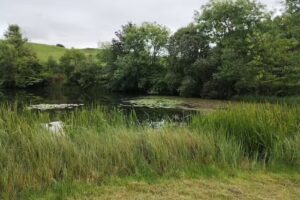
At its core, the club focuses on offering access to carefully managed angling beats along stretches of the River Girvan and surrounding lochs. The area hosts varied species including brown trout, sea trout, and seasonal Atlantic salmon. Members often highlight how the natural setting remains unspoiled and tranquil, making it appealing for those seeking a calm alternative to commercial fisheries. The club’s stewardship and reasonable membership fees ensure that local anglers can continue to enjoy their sport without prohibitive costs, something reflected in early reviews that describe it as 'not too expensive and a good chat' — a succinct but fitting portrait of Carrick’s friendly informality.
Commitment to Local Waters
The management of Carrick Angling Club has long taken pride in maintaining water quality and encouraging responsible catch and release practices. The Girvan River system, which flows across rural South Ayrshire before meeting the Firth of Clyde, benefits from the club’s efforts to balance leisure activity with ecological responsibility. In partnership with local councils and other conservation groups, Carrick members have been known to take part in litter clean-ups and vegetation management to support fish spawning areas and bank stability.
Such efforts have become increasingly important as rural Scottish rivers face the combined pressure of land use, agricultural runoff, and shifting weather patterns. The club, while modest in funding, operates with an environmental awareness comparable to larger conservation bodies. Visitors frequently remark that the water clarity and insect life along the accessible riverbanks remain excellent — a sign that the balance between recreation and conservation is actively maintained rather than assumed.
Membership and Atmosphere
Joining Carrick Angling Club tends to appeal to anglers who value camaraderie over prestige. The structure is straightforward, with annual fees supporting permits for the club’s designated beats. The members themselves make up a diverse community — from older fly-tying enthusiasts to occasional weekend casters looking for peace after a week’s work. Local shops in Girvan occasionally stock tackle suited to the area, but many members pride themselves on preparing their own fishing gear, emphasising the club’s self-sufficient character.
Those visiting as guests quickly notice that this is not a commercial business with glossy facilities; rather, it is a genuinely local organisation run by volunteers who invest time and knowledge into keeping the sport accessible. Supportive mentoring of new anglers, especially younger members, has been a quiet success story — many adults first learned casting techniques here decades ago. The welcoming approach has sustained an impressive degree of loyalty even during Scotland’s unpredictable fishing seasons.
Strengths and Highlights
- Accessible membership fees make participation realistic for beginners and retirees alike.
- High quality river stretches offering good potential for wild trout and salmon, particularly in late spring and early autumn.
- Friendly environment where newcomers can gain advice on bait fishing, spinning or fly techniques.
- Active conservation record contributes to sustainable angling in the Girvan catchment.
- Peaceful setting with minimal bank traffic or crowding, ideal for those seeking quiet outdoor recreation.
Challenges and Limitations
- Lack of extensive online presence means that visitors from outside the region might struggle to find up-to-date permit information.
- Facilities are minimal — there are no on-site shops or refreshment areas, which might deter tourists expecting more infrastructure.
- The stretch of water can be temperamental; periods of heavy rain or drought affect fish movement considerably.
- Because the club relies on volunteers, communication and event scheduling occasionally lag behind digital expectations.
Fishing Conditions and Experience
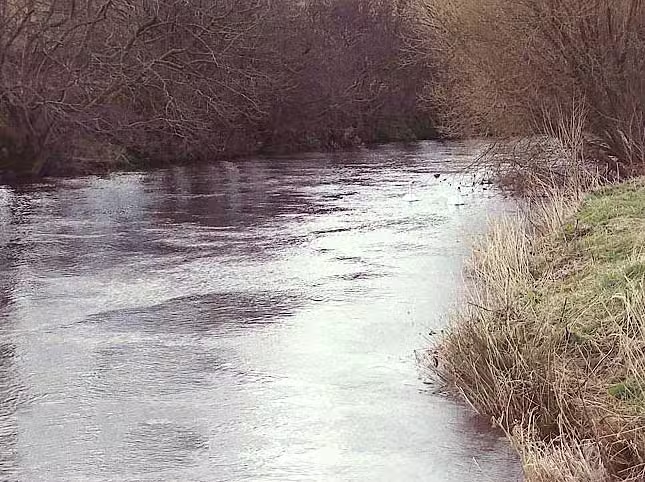
The River Girvan itself is a mid-sized river of roughly thirty miles, offering mixed fishing grounds suitable for fly fishing and light spinning. Anglers report success using small wet flies and nymph patterns during May and June, when hatches are most active. Sea trout begin to appear in the lower reaches as summer progresses, adding diversity to the challenge. Carrick Angling Club oversees access points where wading is safe, and encourages careful handling of fish to protect future stocks.
Many fishers note that part of the club’s charm lies in its unpredictability — some days yield steady catches, while on others patience is the key reward. That honesty defines the spirit of Carrick: it prioritises authentic angling experiences over guaranteed results. There is no pressured competition, and members often share insights about water temperature, hatch timing, or effective fly patterns without hesitation.
Community Involvement
Over the years, the club has quietly contributed to the character of Girvan by anchoring outdoor culture in a region better known for its coastal walks and golf courses. By sustaining interest in traditional Scottish angling, the club nurtures both social and ecological value. Community events such as junior angling days have proven valuable in introducing local youth to responsible outdoor pursuits, linking leisure with respect for the environment. Several environmental education initiatives have used the club’s river locations as outdoor classrooms to illustrate biodiversity along Scottish riversides.
Members often describe how through these small but steady contributions, Carrick Angling Club has become more than a fishing association — it represents a microcosm of community resilience. Older anglers mentor younger ones, local shops provide informal sponsorships, and seasonal clean-up days merge recreation with responsibility. This grassroots connection stands out in modern times, reinforcing why the club has retained relevance across generations.
Visitor Perspective
For a visiting angler, joining Carrick Angling Club even temporarily offers an entry into authentic local waters without the commercial trappings that dominate many tourist fisheries. Understanding that the infrastructure is limited is important — there are no lodges, boat rentals, or guided charter packages. However, many travellers have found that the simplicity is its greatest strength: it allows pure focus on the cast, the current, and the quiet rhythm of Scottish freshwater life.
Those accustomed to more formalised clubs or stocked lochs may initially find the setting basic, but they often leave with appreciation for the genuine nature of the experience. The availability of accessible banks and the balance between open spaces and wooded meanders make ideal conditions for those seeking solitude in coarse fishing as much as in refined fly angling. Local feedback suggests that the most satisfying visits occur when expectations align with authenticity rather than luxury.
Overall Impression
Carrick Angling Club represents a rare blend of affordability, tradition, and environmental care. While its facilities remain modest and its digital visibility limited, the dedication of its members provides the kind of personal richness that larger organisations often lose. For anyone passionate about fishing in Scotland — whether chasing salmon runs or simply enjoying the art of casting — Carrick offers meaningful, sustainable access to quality waters shaped by both nature and nurture.
Its few shortcomings, mostly technical rather than experiential, are outweighed by its authenticity and commitment to local stewardship. The club continues to prove that genuine passion and community spirit remain the strongest assets in preserving the timeless appeal of British angling.