CAST Angling Project
BackCAST Angling Project in Newstead offers a distinctive blend of education, youth support and practical outdoor learning built around fishing tackle, coarse fishing and wider land‑based activities. Rather than operating as a traditional tuition centre, it functions as an alternative provision where young people can work towards recognised qualifications while spending substantial time at watersides and on practical projects. This approach appeals particularly to students who struggle in conventional classrooms but respond well to structured, hands‑on learning linked to real‑world environments and the rhythms of angling.
The project has been working with young people since 2003 and has built a strong reputation for being student‑centred, calm and supportive. Reviews from parents, carers and learners themselves consistently highlight approachable staff, flexible support and a welcoming atmosphere where students feel respected and at ease. For some attendees, being part of CAST is described as a key reason for engaging positively with education, and a source of daily motivation rather than obligation.
Educational focus with a fishing core
CAST uses angling coaching and land‑based projects as the backbone of its curriculum, linking practical work to nationally recognised qualifications. Learners can work towards BTEC Level 1 Diplomas in Land‑based Studies and BTEC First Level 2 Diplomas in Countryside and Environment, alongside functional skills in literacy and numeracy, all delivered in settings that feel very different to a typical classroom. This mix helps bridge the gap between formal education and the practical world of fishing lakes, parks and countryside management, giving students a clearer sense of how skills translate into future work or further study.
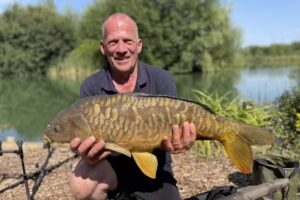
Days are structured around small groups undertaking varied projects, from work in Newstead Abbey Park and Newstead and Annesley Country Park to trips across more than 40 different fisheries in Nottinghamshire and Derbyshire. At the waterside, young people encounter a range of techniques including float fishing, feeder fishing, whip fishing, spinning and more, all taught with safety, progression and enjoyment in mind. This is particularly attractive to those curious about carp fishing, pike fishing, barbel fishing or mixed‑species coarse angling but unsure where to begin.
Angling experiences and skills
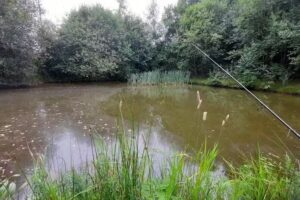
The fishing side of the project is far more than occasional trips; it is a regular, structured programme woven through the week. Learners fish throughout the year on rivers and stillwaters, adapting methods to seasons, conditions and target species such as carp, pike, bream, barbel, perch, trout and silver fish. This gives them a real appreciation of watercraft, presentation and fish behaviour that keen coarse anglers will recognise as essential foundations for long‑term success.
Importantly for beginners, CAST supports complete novices as well as those who already have experience, building confidence step by step. Staff are willing to help learners continue their rod and reel journey beyond project sessions, sometimes arranging or donating basic fishing gear so that young anglers can get out with friends or family in their own time. A strong emphasis on good fish handling and welfare runs through every session, with clear guidance on unhooking, safe retention where appropriate, and returning fish in the best condition possible.
Fishery maintenance and environmental care
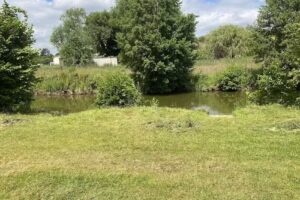
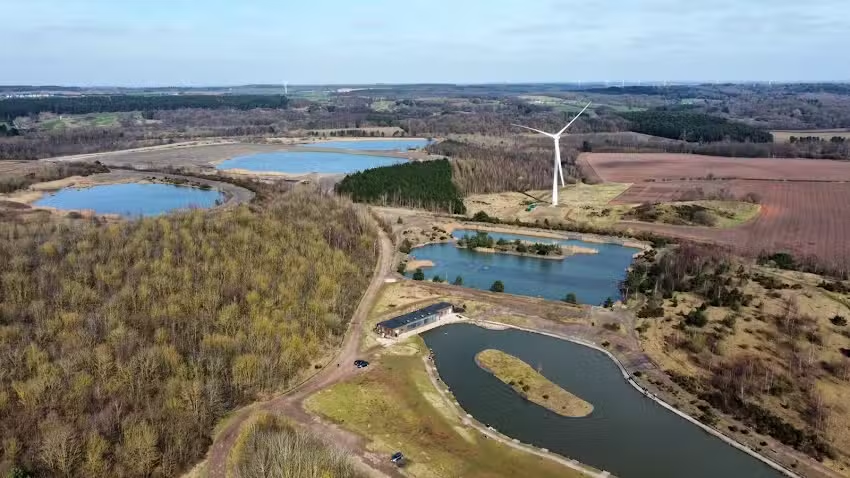
CAST also plays an active role in improving local fisheries and surrounding habitats, which adds another educational layer for students interested in the environmental side of freshwater fishing. Learners get involved in maintaining the Newstead and Annesley Country Park fishing lake, including repairing and installing pegs, building and tidying paths and borders, and helping to create accessible platforms for disabled anglers. On partner fisheries, they assist with pruning, weed management and other maintenance tasks around lakes, streams and waterfalls, seeing first‑hand how careful management supports fish stocks, biodiversity and safe access for the wider angling community.
This land‑based work sits naturally alongside discussion of conservation, responsible access and the importance of protecting waterside environments for future generations. For young people who might eventually be interested in roles with fisheries, estate work or countryside management, this combination of practical experience and qualification‑linked learning can be particularly valuable. At the same time, even those simply attending for a short period gain a better understanding of how fishing venues are run and why rules and bylaws matter.
Atmosphere, staffing and support
Many comments from families and students emphasise the positive culture created by the team at CAST. Parents describe staff as friendly, approachable and highly communicative, noting that they respond flexibly to individual needs and keep both students and carers informed about progress. Several reviews go so far as to say they cannot praise the team enough, particularly in relation to the way they help young people who have struggled elsewhere to regain confidence and take pride in their achievements.
Some staff members previously attended CAST themselves, and a number have progressed into leadership roles, which suggests a strong internal culture of commitment and continuity. Learners often report feeling at home and valued, with one review describing the project as the reason they get up in the morning. This sense of belonging can be especially important for young people who have found traditional school overwhelming or alienating, and who benefit from being outdoors, active and engaged with tangible tasks such as setting up fishing rigs or building structures on site.
Strengths for potential learners
- Outdoor and water‑based learning: For young people who struggle with long hours indoors, the opportunity to spend time at lakes, rivers and country parks while learning about match fishing, wildlife and land management is a major attraction.
- Recognised qualifications: The availability of BTEC and functional skills programmes means that time spent at CAST contributes directly to future education or employment options, rather than sitting outside formal pathways.
- Small groups and individual attention: With three small groups operating daily, staff can tailor work to different learning styles, abilities and behaviour patterns, making it easier to support students with complex needs.
- Focus on wellbeing and motivation: Fishing and practical projects provide natural opportunities to develop patience, resilience, concentration and social skills, which many participants and partner organisations see as key outcomes of angling‑based education.
- Community and environmental impact: The combination of youth work, environmental stewardship and improvement of local fisheries ensures benefits are felt beyond individual learners, enhancing facilities for other anglers and visitors.
Limitations and points to consider
While the project’s strengths are clear, potential users should also weigh a few practical and structural limitations. Firstly, CAST operates as a specialist alternative provision rather than a drop‑in fishery or standard tuition service, so access is usually arranged through schools, local authorities or similar referral routes rather than via casual bookings. Families looking purely for occasional fishing lessons or holiday angling tuition may find the structure less flexible than a typical commercial instructor or club.
Secondly, provision is focused on term‑time weekdays, with no regular weekend or evening sessions, which may limit suitability for those seeking out‑of‑school coarse fishing coaching during their spare time. Transport can also be a consideration, as learners are based at a Newstead hub and then travel out to multiple venues across Nottinghamshire and Derbyshire; this is usually coordinated through the referring institution, but may be less convenient for families who live further away or who are used to local fishing ponds within walking distance.
Another point is that CAST’s approach is heavily practical and outdoors‑oriented; while this is a strength for many learners, those who prefer a more conventional, classroom‑based academic environment might not find it the right fit. Finally, public feedback is almost entirely positive, which is encouraging but also means there is relatively little critical commentary available online about areas for improvement, making it harder for prospective partners to compare like‑for‑like with other providers.
Who CAST Angling Project may suit
CAST is particularly well suited to young people who are disengaged or at risk of disengagement from mainstream education, and who respond better to practical, project‑led work than to traditional lessons. It offers a setting where angling, outdoor tasks and construction activities are taken seriously as vehicles for learning, rather than treated as add‑ons or occasional rewards. Schools and local authorities seeking a placement that blends accredited study with structured time by the water may find it an effective option, especially for students with anxiety, behaviour challenges or social needs.
For young people who already have a passion for coarse fishing, the project provides an opportunity to deepen skills, learn new tactics for carp, predator and silver fish, and gain a greater understanding of fishery management. For those entirely new to fishing, the calm, sensory‑rich environment of lakes and parks, guided by experienced staff, can be an accessible route into an activity that benefits concentration, patience and emotional regulation. While CAST is not a public day‑ticket venue or tackle shop, it complements the wider fishing tackle and coaching landscape by offering a more intensive, educationally focused pathway for a particular group of young people.