Catterick Racecourse Fishing Syndicate
BackCatterick Racecourse Fishing Syndicate operates as a private angling club offering access to a stretch of water beside the well‑known racecourse at Catterick Bridge in North Yorkshire. The syndicate is run as a membership‑only fishery rather than a casual day‑ticket venue, which will appeal to anglers seeking quieter banks and a more controlled environment than many open commercial ponds. Situated close to key transport routes yet set alongside the river and racecourse grounds, it provides a blend of accessibility and relative seclusion that can be attractive for regular local anglers looking for a consistent place to fish.
For many potential members, the main attraction is the opportunity to enjoy coarse fishing on a managed stretch of water where angling pressure is restricted by the syndicate model. While detailed stocking lists are not openly advertised, the setting suggests mixed coarse sport rather than heavily stocked carp‑only pools. Anglers interested in coarse fishing will likely value the chance to target a variety of species in more natural conditions compared with highly commercialised venues that focus on numbers rather than the overall experience. The proximity of the river environment, the racecourse backdrop and the surrounding countryside all contribute to an atmosphere that can feel more traditional than many modern complexes.
One aspect that stands out for visiting anglers is the round‑the‑clock access. Current information indicates that the syndicate is effectively open 24 hours a day across the week, which is particularly beneficial for those who favour early mornings, late evenings or overnight sessions. This flexibility is important for styles such as specimen hunting, where dusk and dawn are often the most productive periods. It also suits working anglers who can only get to the water outside conventional opening times. However, unrestricted hours require sensible behaviour from members, meaning that the overall quality of the experience depends heavily on how well the syndicate maintains discipline and shared respect on the banks.
From a facilities perspective, Catterick Racecourse Fishing Syndicate feels more like a traditional club water than a purpose‑built commercial complex. There is no suggestion of on‑site tackle shop, café or dedicated bait store, so anglers should be prepared to arrive self‑sufficient, with all tackle, bait and refreshments organised in advance. Those who are used to larger commercial venues offering hire equipment, food, showers or extensive car parks may find the set‑up more basic. On the positive side, this simplicity often translates into a quieter, less crowded bank, but it does mean that new or inexperienced anglers receive less hands‑on support than they might in a retail‑backed fishery.
Feedback from online sources paints a mixed but limited picture. Publicly visible reviews are sparse, with only a very small number of ratings available, which makes it difficult to form a statistically reliable judgement of quality. One of the few reviewers assigns an average score, without adding detailed comments, which suggests that the experience did not stand out as exceptional but also was not poor enough to prompt a strongly negative report. For potential members, the lack of detailed testimonials can be a drawback; many anglers now rely heavily on online comments and catch reports when deciding whether to commit to a syndicate fee.
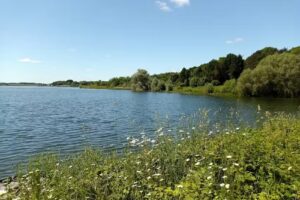
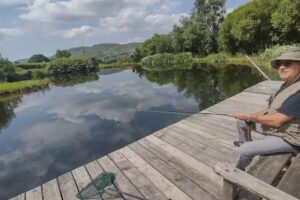
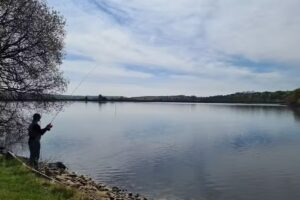
Because the syndicate is relatively low‑profile online, there is also limited photographic documentation beyond a handful of images showing the water and surroundings. The available photos indicate attractive bankside views with the racecourse infrastructure visible in the background, reinforcing the impression of a unique setting where rural and sporting landscapes meet. However, without extensive galleries of catches, pegs or facilities, anglers have to accept a degree of uncertainty about peg quality, bank access, and the consistency of fish stocks. This contrasts sharply with heavily marketed venues where social media is full of trophy fish and peg‑by‑peg breakdowns.
For those who already live in the area, the location at Catterick Bridge is a practical advantage. Short travel times encourage regular attendance, which is important for getting value from any membership‑based water. Anglers can fit shorter sessions into busy lives, spending a few hours on the bank rather than dedicating entire days to travelling further afield. On the other hand, visiting anglers from farther away may find it harder to justify committing to a syndicate where so little official information is publicly available about stock levels, rules or catch expectations, especially when there are other fishing lakes and rivers in the region with more transparent publicity.
In terms of angling style, the environment around the racecourse is likely to lend itself to a mixture of ledgering and float tactics for species such as chub, roach, dace and possibly barbel, with opportunities for more specialised approaches depending on the exact nature of the water. Those who enjoy classic river‑style angling rather than heavily stocked commercials may find the syndicate appealing as a place to refine their craft and focus on watercraft rather than sheer quantity of bites. Anglers hoping for highly pressured specimen carp action akin to popular carp fishing day‑ticket waters may need to make further enquiries, as there is little public data to confirm whether this is the right venue for that specific niche.
Customer service is another area where the syndicate model has both strengths and weaknesses. On one hand, the smaller membership and direct contact with organisers can encourage a more personal approach, with rules and expectations clearly communicated to a close‑knit group. This often results in better behaviour on the banks, less litter and fewer conflicts between anglers. On the other hand, there is no immediate indication of structured tuition, open days or beginner‑friendly support that some larger fisheries provide. Newcomers to angling might therefore find the environment less accessible if they are seeking hands‑on guidance or rental equipment.
When compared with larger retail‑backed fisheries and online angling brands that combine shop, tuition and water access, Catterick Racecourse Fishing Syndicate is clearly positioned as a more straightforward club‑style option. Anglers will need to source their own gear from independent tackle outlets or online fishing tackle retailers, buying items such as fishing rods, fishing reels, fishing bait and terminal tackle separately before attending. For some, this separation is a positive, allowing them to choose their preferred brands and products freely. For others, particularly those who value one‑stop convenience, the lack of on‑site retail could be perceived as a disadvantage.
On the financial side, syndicate membership usually requires an up‑front commitment, whether that is in the form of an annual fee or a seasonal payment. Without published detail, anglers must contact the organisers directly to understand the cost structure, any joining waiting list and the rules regarding guest tickets or family access. This can be a barrier for those who prefer transparent pricing displayed online. However, many serious anglers are accustomed to this model and appreciate the way it limits casual pressure from short‑term visitors. The resulting atmosphere can be calmer, with more respect for long‑term fish welfare and bank preservation.
Accessibility for less mobile anglers is one consideration that is not clearly addressed in the limited public information. Prospective members who need level access, nearby parking or hard standing pegs would be wise to ask specific questions before committing. A racecourse setting suggests that there may be established tracks and infrastructure close by, but it is unclear how close vehicles can get to each peg or whether particular areas are reserved for easier access. Families and older anglers may want reassurance on these points, especially if they intend to make frequent use of the water.
The atmosphere of a syndicate fishery often depends heavily on the behaviour and attitudes of its membership, and in this respect Catterick Racecourse Fishing Syndicate is likely to appeal most to anglers who appreciate a quieter, more community‑based style of angling. Those who are willing to join a small, relatively under‑publicised club in exchange for calmer banks and less competition for swims may find the trade‑off worthwhile. Anglers who prefer lively, commercial‑style venues with regular matches, on‑site cafés and crowded weekends may feel the experience is more subdued than they are used to.
Overall, Catterick Racecourse Fishing Syndicate presents itself as a modest, traditional option for anglers who prioritise steady access to a specific stretch of water over marketing hype and extensive facilities. Its strengths lie in the exclusivity of a membership model, flexible 24‑hour access and a distinctive river‑side setting alongside the racecourse. The limitations are the scant public information, minimal online presence, and the absence of obvious beginner‑friendly services or retail facilities. Before committing, potential members would sensibly contact the syndicate for detailed rules, costs and current catch expectations so they can decide whether this quieter, club‑style approach matches their own angling priorities.