Chapel Lake
BackChapel Lake is a small commercial fishery that appeals to anglers who value a relaxed, intimate setting over a sprawling, high‑pressure complex. Set around a compact lake with an island, it offers easy access to the pegs and a layout that suits both experienced anglers and complete beginners looking for a straightforward day on the bank. The atmosphere is informal, and many visitors describe it as a place where you can simply turn up, set your gear, and focus on enjoying your fishing without unnecessary fuss.
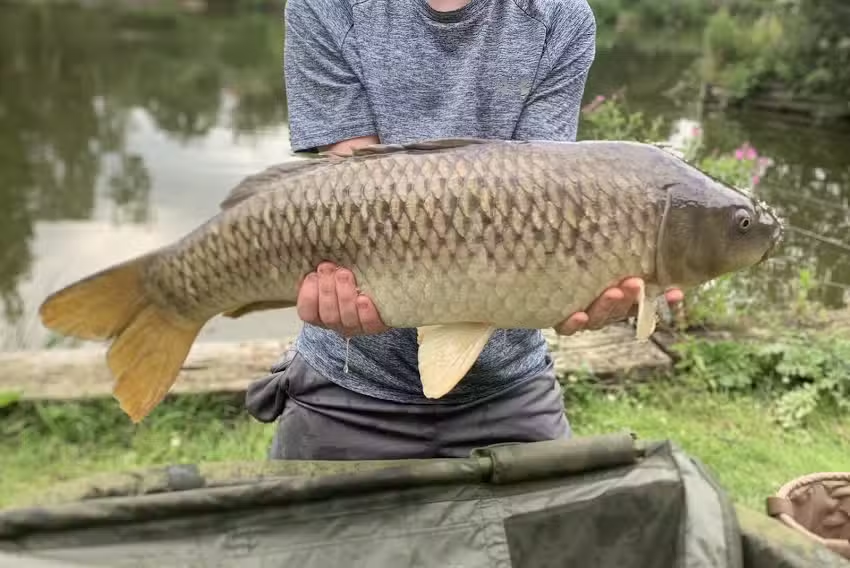
For anyone interested in carp fishing, Chapel Lake stands out for the quality and condition of its stock rather than headline‑grabbing sizes. Anglers report regular catches of carp into the high‑teens in weight, with fish around the 19 lb mark featuring in recent sessions. While this will not satisfy those solely chasing very large specimens, it is attractive for people who want consistent sport and a good chance of multiple runs in a day. The lake holds a range of varieties, including mirrors, commons, koi and ghost koi, giving each session a bit of visual interest and variety when the fish come to the net.
The venue is often praised for being well kept, which matters to many coarse fishing enthusiasts choosing where to spend their time and money. Paths and pegs are generally tidy, and the banks are maintained so that setting up rods, alarms and banksticks is straightforward. Visitors speak positively about the surroundings, noting attractive wildlife and a setting that feels peaceful rather than overdeveloped. For families or anglers taking youngsters for their first session, this neat and manageable environment is a strong plus point.
One of the recurring strengths mentioned by regulars is how productive Chapel Lake can be. Several anglers talk about sessions where “the fish didn’t stop coming” and describe hours of almost continuous action. This will particularly appeal to those who enjoy day ticket fishing where the aim is to catch steadily rather than sit behind silent alarms. Quick bites off the island margins and open water suggest a stock level and feeding response that give newcomers a real chance of success, which is invaluable when introducing children or non‑angling friends to the sport.
The lake’s management also receives frequent compliments. The on‑site bailiff is often described as friendly, approachable and generous with advice. For newer anglers still learning about rigs, bait choices and features to target, that kind of support can make a significant difference to results. Rather than simply enforcing rules, the bailiff appears to act as a guide to the water, pointing out productive areas and suggesting tactics that suit the conditions on the day. This consultative approach is one of the reasons many visitors say they are keen to return.
From a facilities point of view, Chapel Lake is fairly simple, which will suit some visitors more than others. It is not a highly commercialised complex with a tackle shop, café or accommodation on site, so anglers must arrive prepared with bait, terminal tackle and refreshments. On the positive side, this keeps the focus firmly on fishing and helps maintain the quiet, low‑key character that many people enjoy. On the negative side, anyone looking for a fully serviced fishing lakes destination with all amenities on the doorstep may find the set‑up a little basic.
Accessibility is a noteworthy benefit. The fishery is reached from Chapel Road and is not hidden several fields away down rough farm tracks, which can be a relief for drivers with low‑slung cars or heavier barrows. The site is also noted as having a wheelchair‑accessible entrance, which is an important consideration for disabled anglers or older visitors who might struggle with more challenging venues. Once on the bank, there are both wide open pegs and smaller tucked‑away spots, giving options for different styles of coarse angling and personal preference.
In terms of how the lake fishes, reports suggest that Chapel Lake can be busy in terms of both fish activity and angler numbers. The water is relatively small, and when multiple pegs are occupied it can feel quite lively. For match‑style or social sessions where anglers enjoy hearing others into fish and sharing the excitement, this is a positive. For those who prefer solitude and long, quiet waits for one or two big fish, the constant activity and compact layout may be less appealing. Managing expectations here is crucial: this is a venue geared towards action and accessible pleasure fishing, not an ultra‑low‑stock specimen water.
The lake’s stock profile makes it particularly suitable for teaching and practice. Anglers taking children for their first outing report memorable days where young novices play and land multiple fish, which can quickly build confidence and a lasting interest in the sport. With carp between low and mid‑double figures regularly showing, newcomers get the excitement of proper runs and hard‑fighting fish without the intimidation of extremely large specimens. For parents or relatives in search of a reliable option for a first family fishing trip, this is one of the fishery’s strongest points.
Fish welfare and general presentation appear to be taken seriously. Visitors emphasise that the carp are in good condition, with clean mouths and strong fighting ability. This suggests a sensible approach to stocking and handling rules, even if the specific regulations are not prominently advertised in the information available. As with any commercial fishery, anglers are expected to bring appropriate unhooking mats, landing nets and basic care products, and those serious about carp angling will likely appreciate the apparent emphasis on keeping the stock healthy.
On the downside, the very popularity and productivity of Chapel Lake can lead to a few frustrations. At peak times, swims may be in high demand, leaving later arrivals with fewer choices of peg. On a small water, line pressure and the noise of several anglers setting up in close proximity can influence how the fish behave, and some more experienced visitors might feel the lake fishes better when it is less crowded. For those used to spacious, low‑numbers venues, the more intimate feel may require a little adjustment.
Another potential limitation is the lack of wider diversification. Chapel Lake is primarily a carp‑orientated water rather than a mixed‑species venue designed for specialist match fishing or predator angling. Anglers who prefer targeting species such as tench, bream, barbel or pike will likely find the options constrained, as most of the reported sport centres on different strains of carp. For some, this clear focus is a positive, providing certainty about what to expect. For others who enjoy variety across a season, it may mean Chapel Lake is somewhere to visit occasionally rather than a main regular venue.
Pricing and booking arrangements are not prominently detailed in the available information, so prospective visitors may need to make enquiries in advance to confirm current ticket structures and any rules regarding advance booking, night fishing or group sessions. For organised events, tuition days or clubs considering using the water, clarifying these details beforehand is important. Given that Chapel Lake presents itself as a straightforward, welcoming venue, anglers can reasonably expect transparent and fair arrangements once they make contact, but the lack of easily accessible information is still a minor drawback compared with more heavily promoted fisheries.
Despite these caveats, feedback from those who have actually fished Chapel Lake is overwhelmingly positive, particularly concerning the overall experience of a typical session. Anglers frequently talk about “great mornings” with several fish landed between 5 lb and 12 lb, and about wanting to return soon after a successful visit. Comments highlighting “screaming bites” and “busy days” suggest a water that delivers on its promise of enjoyable, active coarse fishing rather than one that flatters to deceive. This consistency is a key reason the venue is often recommended by word of mouth.
For potential customers weighing up whether Chapel Lake suits their needs, it helps to view the fishery as a focused, no‑nonsense option for relaxed day ticket carp fishing in a tidy, compact setting. Its main strengths lie in approachable management, well‑maintained surroundings, healthy stock and an excellent track record with beginners and families. Its weaknesses are mainly about scale, simplicity of facilities and limited species diversity. Anglers seeking high catch rates, approachable help on the bank and a friendly environment will likely find a lot to like, while those whose priorities revolve around seclusion or specimen‑only fishing may see it more as a pleasant occasional destination than a primary target.
Overall, Chapel Lake occupies a clear niche in the local angling scene: a small, carefully tended carp water that concentrates on providing enjoyable, action‑filled days rather than chasing records. In a market where some venues can feel either overly commercial or under‑managed, it offers a straightforward alternative for anyone who wants to spend a few hours or a full day with rods out, realistic expectations and a good chance of going home having caught consistently. As long as visitors understand its scale and character, Chapel Lake can be a solid choice when planning the next coarse fishing lakes outing.