
Chequer Lane Fishing Lake
BackChequer Lane Fishing Lake is a modest community water that attracts local anglers looking for relaxed, low-cost sessions rather than high-pressure commercial carp venues. Set alongside Chequer Lane in Up Holland, this is essentially a public fishing pond where access is straightforward and the emphasis is on simple, enjoyable days with rod and net rather than on polished facilities or complex rules. For many visitors, especially beginners and families, the appeal lies in the opportunity to get a line in the water at any time of day without a formal ticket structure, making it an accessible entry point into coarse angling.
The character of the venue is very much that of a traditional local pond: compact, tree-lined in parts and surrounded by basic pegs that bring you close to the water. Anglers report that it can offer rewarding sport for both younger and older visitors, with bites often coming frequently on the right day. There is none of the commercial gloss or heavy stocking you might expect from a day-ticket complex, but for many that simplicity is precisely what makes Chequer Lane Fishing Lake worth visiting with a light fishing rod and a small tackle box.
One of the key attractions here is the open-access nature of the water. Recent anglers mention that they did not have to pay a day ticket, which is unusual compared with many managed venues and particularly appealing during a cost-of-living squeeze. This affordability makes Chequer Lane Fishing Lake a handy option for those who want to try coarse fishing lakes without committing to membership fees or higher day-ticket prices. For parents introducing children to angling or adults returning to the sport after a break, the ability to simply turn up with basic fishing gear and a handful of bait is a major plus.
Catch reports from visitors are mixed but generally positive. Some anglers comment on “good fishing for young and old” and describe sessions with plenty of fish caught, especially on warmer, settled days with light winds. Others note that like many natural ponds it can be moody, with some days producing steady action and others proving much slower. This variability is part of the experience of fishing a relatively small, natural-style water that is influenced heavily by weather, angling pressure and water levels. Those who come prepared with a variety of rigs and baits, and who are willing to move pegs if necessary, usually stand a better chance of consistent sport.
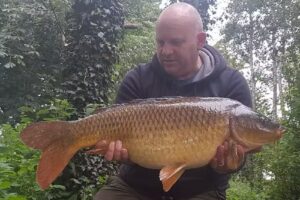
The species mix is broad enough to keep general coarse anglers interested. While there are no detailed official stocking lists readily available, visitor photos and comments suggest a selection of silvers and small to medium-sized carp that will readily take basic coarse baits. For many casual visitors, a simple float setup, light line and maggots, sweetcorn or pellets will be sufficient to get bites. Anglers more focused on coarse fishing might opt for a small feeder rod or a compact carp fishing approach to pick out better fish if they are present in the swim.
For those looking to refine their approach, bringing a dedicated coarse fishing rod and experimenting with different methods can make the venue more rewarding. A short feeder rod with a small cage feeder or method feeder, combined with pellets or groundbait, can help build a swim gradually. Meanwhile, a sensitive float rod allows you to target roach, skimmers and smaller carp close in, which is ideal for youngsters or anyone who enjoys seeing the float dip every few minutes. Because the water is relatively small, accurate casting and quiet bankside behaviour can make a noticeable difference to results.
Families and beginners will appreciate the informal, sociable atmosphere that several reviews mention. Anglers describe friendly regulars who are happy to offer advice, making it less intimidating for newcomers who might be unsure about rigs or bait choices. It is not unusual for first-time visitors to be guided on where to set up, how deep to fish and which simple presentations work best. This supportive environment is a genuine strength when compared with busier commercial coarse fisheries where pegs can be crowded and the pace more competitive.
However, it is important to understand that Chequer Lane Fishing Lake is not a manicured, fully serviced complex. Several recent visitors have raised concerns about maintenance, particularly around the fishing platforms and general bankside condition. Some pegs are reported to be in a poor state and could benefit from repair or replacement, which can make access difficult, especially for those with limited mobility or heavier tackle. Anyone planning a visit would be wise to wear sturdy footwear and to choose their peg carefully, especially in wet weather when slopes and edges can become slippery.
Another recurring issue highlighted by anglers is the presence of rats and the impact of excessive duck feeding. A number of visitors comment that there is a noticeable rat population around certain areas of the pond, something that detracts from the overall experience and raises understandable concerns about cleanliness and hygiene. This problem appears to be exacerbated by people feeding ducks with bread and other food, which attracts unwanted pests and adds to litter. Responsible behaviour from all visitors, including taking rubbish home and avoiding unnecessary feeding of wildlife, would greatly help the situation.
The water level has also been mentioned as a concern at times, with reports of it sitting relatively low on some visits. Lower levels can make certain pegs less comfortable and may affect fish distribution within the lake, concentrating them in deeper holes or under overhanging cover. For anglers, this means that observation becomes particularly valuable: watching for rolling fish, bubbling or signs of movement before setting up can improve the odds of finding a productive spot rather than simply choosing the nearest platform.
Access to the lake is relatively straightforward, with the water sitting just off Chequer Lane and reachable on foot. There is no clubhouse, café or tackle shop on site, so visitors need to arrive fully prepared with bait, nets and other essentials. While this minimalist setup keeps things simple and helps to preserve a natural feel, it also means there is little shelter or on-site support. In poor weather, waterproof clothing, a brolly and appropriate seating are highly advisable, and those planning a longer stay should bring refreshments and anything else they may need.
Because Chequer Lane Fishing Lake does not operate in the same way as a heavily promoted commercial complex, information about detailed rules and regulations can be limited. Sensible coarse-angling practice should be assumed: using barbless hooks where possible, handling fish with care, using a landing net, and respecting other anglers’ space and quiet. A compact unhooking mat and a suitable carp fishing net are recommended for anyone targeting larger fish. Keeping tackle organised in a modest tackle bag or rucksack also makes it easier to move pegs if conditions suggest a change of swim might be beneficial.
From a value perspective, the lake offers a cost-effective way to indulge a passion for freshwater fishing without the higher fees associated with premium carp lakes and commercial day-ticket waters. Its open nature allows for flexible session lengths; anglers can drop in for a quick few hours after work or stay for longer sessions when conditions look favourable. That flexibility, combined with the lack of a formal payment structure, is one of the main reasons regulars continue to visit despite the shortcomings in maintenance and pest control.
For potential visitors who are serious about their angling, Chequer Lane Fishing Lake is best viewed as a relaxed, local pond rather than a destination fishing venue. It is somewhere to practise rigs, test new baits or simply unwind with a float and a box of maggots rather than chase specimen fish or record hauls. In this context, it can complement trips to better-equipped commercial fisheries, offering an informal space to keep skills sharp and enjoy time outdoors between more ambitious sessions elsewhere.
Those thinking of bringing children or complete beginners will find that the modest scale of the water and the chance of frequent bites on good days can create a positive first experience. A short spinning rod or light match rod, a small selection of hooks, shot and floats, and a tub of maggots or pellets are usually enough to keep the session engaging. Emphasising fish care, tidiness on the bank and respect for other anglers from the outset will also help new participants develop good habits that benefit the lake and the wider angling community.
On the other hand, anglers who prioritise comfort, high-spec facilities and meticulously maintained pegs may find Chequer Lane Fishing Lake lacking. The reports of rats, low water levels and tired platforms indicate that the site would benefit from more consistent management and investment. Until those issues are addressed, visitors must balance the advantages of free access and friendly atmosphere against the drawbacks associated with a relatively low-maintenance public water.
In the wider context of regional fishing spots, Chequer Lane Fishing Lake occupies an interesting niche. It functions as a community resource that gives local residents a straightforward way to enjoy coarse angling at any time, while also serving as a stepping stone towards more specialised venues. For some, it will be a convenient place to drop a line on short notice; for others, it will be a nostalgic reminder of small ponds where their angling journey began. Either way, its strengths and weaknesses are closely tied: the same informality that makes it accessible also contributes to the challenges around maintenance and pest control.
Ultimately, Chequer Lane Fishing Lake appeals most to anglers who value simplicity, flexibility and low cost over comfort and polished presentation. With sensible expectations, appropriate equipment and a willingness to work around some rough edges, it can still deliver enjoyable sessions and serve as a practical local option. For potential visitors, understanding both the positives – open access, friendly regulars and the chance of steady sport – and the negatives – variable maintenance, rats and occasional low water levels – provides a realistic picture of what to expect before setting up a rod on its banks.