
Chipchase Castle
BackChipchase Castle operates as a distinctive country estate where historic architecture, manicured grounds and dedicated sporting management come together to create a focused destination for serious and aspiring anglers alike. Rather than functioning as a general visitor attraction, the estate has built a reputation for offering structured, hosted access to a prime beat of the River North Tyne, with an emphasis on quality over volume. This approach makes it particularly appealing to those who value attentive service and well-kept surroundings as part of their fishing experience, while also presenting a few practical limitations that potential guests should weigh up in advance.
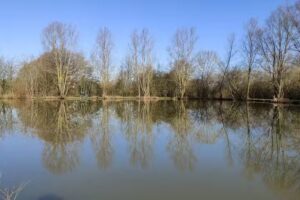
The estate’s setting on the North Tyne gives it a strong draw for anyone interested in salmon fishing, with the river widely regarded as one of the most productive salmon and sea trout systems in England. Chipchase occupies a prime stretch that benefits from the river’s renaissance as a top-class migratory fishery, meaning that visiting rods are not just paying for attractive scenery but for genuinely credible chances of contacting fish throughout the main season. Reports and specialist commentary point to runs of salmon from late spring onwards and a solid surge of sea trout in early summer, making this beat a serious prospect for anglers planning a dedicated trip.
One of the most frequently highlighted strengths of the estate is the way the riverbank is kept in order, with Chipchase often cited for having some of the most carefully maintained access and margins on the North Tyne. Paths, tracks and banks are managed so that elderly or less mobile guests can approach many of the key pools, and there are gravel tracks that allow vehicles to get close to the river in several spots. This kind of attention to detail is not always standard on rural beats and will appeal to visiting anglers who place a premium on comfort, safety and ease of movement between lies and pools.
The river itself offers what many fly anglers would consider classic water, with varied pools and glides rather than featureless stretches. Chipchase is managed firmly as a fly-first fishery: spinning is generally not permitted, with only limited exceptions for very young anglers, so anyone booking here should arrive ready to fish with a fly rod and appropriate lines and tips. This policy helps preserve the character of the beat and will be seen as a positive by dedicated fly fishers, though it does narrow the appeal for those who prefer or rely on other methods.
Potential guests are likely to be drawn by the estate’s emphasis on providing a complete, hosted day on the water rather than simply selling rods and leaving visitors to their own devices. Chipchase offers a resident full-time ghillie, Stephen Ridley, whose remit extends far beyond occasional advice; he is on hand to meet and greet guests, help with setting up tackle, suggest tactics, give casting tuition and stay with less experienced anglers for as long as needed during their session. For many visitors, especially those newer to salmon fishing or those travelling some distance, this level of hands-on support can transform the experience and justify the premium nature of the beat.
On top of one-to-one support, visitors have access to facilities that make a day by the river more comfortable. Huts positioned near fishing areas provide shelter and a base for breaks, while barbecues, seating and clear maps of the river system help guests understand where they are fishing and how the beat is laid out. Lockable rod racks and convenient parking close to the water underline the estate’s focus on practical details that matter in changeable weather and over a long day outside.
The estate’s management also pays attention to the surrounding environment, which adds to the ambience for visiting rods. Woodland and wildlife areas near the river are actively managed, with invasive plants removed and new trees, shrubs and wildflowers planted, improving the habitat for insects and the broader ecology that underpins healthy fish stocks. This stewardship is likely to appeal to anglers who care about seeing their ticket money reinvested in the long-term health of the system they are fishing.
Beyond the river, Chipchase Castle itself contributes an additional layer of interest for visitors who appreciate history and architecture. The property combines a medieval tower, documented as existing in the early fifteenth century, with later additions that give it the appearance of a developed country house, and parts of the house and gardens are periodically opened on guided tours. Guests who time their visit to coincide with these openings can combine their day on the banks with a structured look inside the building and its grounds, as reflected in visitor feedback that praises both the tour and the surrounding gardens.
Visitor accounts consistently emphasise the quality of the guided tours when they are available, describing them as informative, friendly and delivered by guides who clearly feel a connection with the property. The tone of these experiences tends to be relaxed and personal rather than rushed, helped by the fact that the house and gardens are not heavily promoted or overrun, so groups are relatively small and guests often feel they have time to ask questions and absorb the setting. For potential visitors who value a quieter, more intimate atmosphere, this unobtrusive approach to opening the house can be a significant positive.
However, the same qualities that make Chipchase appealing to some can create drawbacks for others. The estate is first and foremost a private home and working property, so public access is limited and strongly structured; fishing, for example, needs to be pre-arranged, and house openings are usually tied to specific dates and short seasonal windows rather than being available year round. Those who arrive without checking ahead may find the house closed or fishing availability limited, and there is little in the way of prominent roadside signage to guide spontaneous visitors, as noted in commentary about needing to use the main entrance and not relying on tourist signs.
From an angling perspective, the focus on quality and exclusivity means that Chipchase is not a budget option. While exact costs are handled directly with the estate or booking platforms, the presence of a full-time ghillie, well-maintained infrastructure and a prime beat on a leading river all point towards a premium experience aimed at those prepared to invest in a hosted day or short break. For some, this will feel justified by the personal service, the condition of the riverbank and the realistic chance of contacting fish on a very highly regarded system; for others, especially casual visitors, the same factors may make alternative beats with simpler offerings more appropriate.
Like many fisheries on regulated rivers, Chipchase is influenced by water management decisions upstream, particularly releases from Kielder reservoir, and guests are advised to stay informed about changing levels for safety reasons. This is a practical reality on the North Tyne and not unique to Chipchase, but visitors unused to fishing rivers influenced by reservoirs may find the need to monitor flows and heed advice from the ghillie a little more demanding than on smaller, more stable streams. On the other hand, having on-site guidance means that less experienced anglers are not left to interpret the conditions entirely on their own.
In terms of angling opportunity, the estate’s beat fits neatly into the broader pattern of fish movement on the system. Salmon fishing here typically becomes worthwhile from late May, with increasing numbers through the summer and autumn, while sea trout provide an additional target in June and July, especially when water levels are favourable. For visitors looking for a focused salmon or sea trout break on a river with a strong track record of migratory fish, this timing and the beat’s position on the North Tyne make it an attractive proposition.
The estate’s reputation has also been reinforced by occasional media exposure, such as hosting well-known anglers and television crews seeking an archetypal English salmon-fishing setting. Such coverage highlights the combination of scenic river, historic house and professional on-site support, presenting Chipchase as a location that can satisfy both sporting ambitions and expectations for a picturesque backdrop. While media visits may not represent an everyday experience, they do underline the beat’s standing within the wider angling community.
For those primarily interested in fly fishing, Chipchase offers a focused and well-supported environment where attention is paid to both the technical and human aspects of the sport. Experienced rods are likely to appreciate the classic pools, the absence of competing rods on the opposite bank and the freedom to concentrate on their presentation and fly choice, while less experienced visitors can rely on structured guidance and tuition to make the most of their time. That said, anglers whose preference is for more informal, do-it-yourself access may feel the level of hosting and structure is more than they require.
From the perspective of a potential visitor deciding whether this is the right venue, it may help to view Chipchase Castle as an estate that has intentionally remained selective and quietly managed rather than a fully commercialised attraction. The strengths lie in its carefully maintained beat, dedicated ghillie service, strong migratory fish runs and the added interest of an historic house and landscaped grounds that can be enjoyed on certain days. On the other hand, limited opening, the need for advance planning, the focus on fly-only methods and the likely premium pricing structure are all important considerations for anyone weighing up a trip.
Anglers who value a complete, hosted day on a highly regarded stretch of river, with the option to combine their fishing with time in historic gardens and a quieter, more personal atmosphere, are likely to find Chipchase Castle a compelling choice. Those seeking a more casual drop-in experience, or who prefer spinning or other methods, may find that other venues better match their expectations, even while recognising the quality of what the estate offers to its core audience. In this way, the estate occupies a clear if specialised place within the wider landscape of British country sports and heritage properties, appealing most strongly to visitors who appreciate both attentive hosting and the discipline of traditional salmon and sea trout fishing.