Connah’s Quay & District Angling Club, The Rosie
BackConnah's Quay & District Angling Club, The Rosie, is a long‑established mixed fishery set around Rosie Pool in Wepre Park, offering a focused angling environment for members and day visitors who prioritise well‑managed waters over general park access. Anglers looking for reliable venues to use their fishing rod, refine their coarse fishing techniques and spend dedicated time on the bank will find a water that has been shaped very clearly around the needs of those who fish rather than those who simply pass by on a walk.
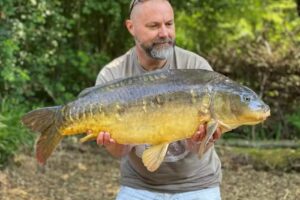
The core strength of The Rosie lies in the quality of the water and stock. Several experienced visitors describe it as one of the best mixed fisheries in the wider region, praising the variety of species and the condition of the fish rather than just the scenery. Carp, crucians and other coarse species are a major draw for those who enjoy setting up a well‑balanced fishing tackle outfit and targeting different fish in a single session. The comments about crucian carp in particular, noted as being especially memorable, suggest careful fishery management and stocking policies that support quality fishing rather than purely high numbers.
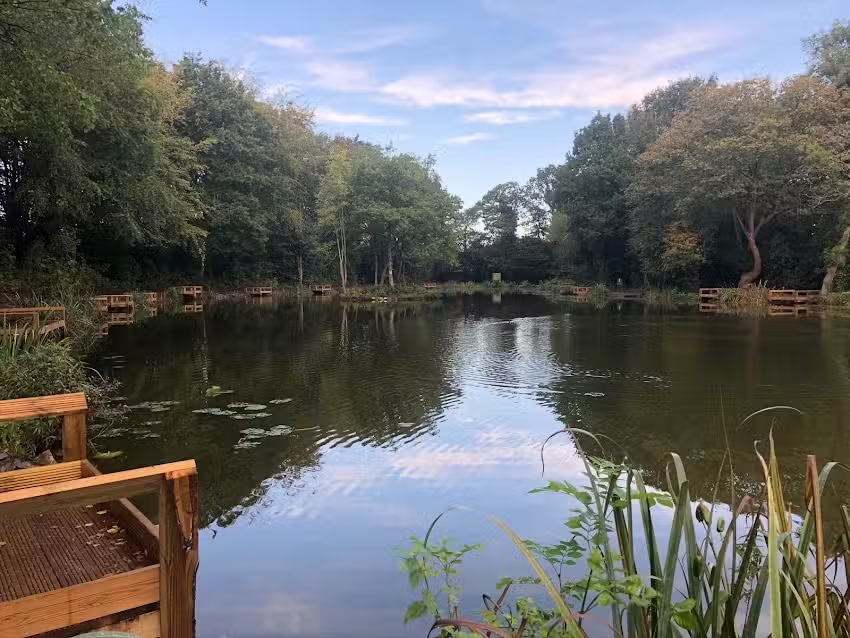
Maintenance of the pool is another recurring positive theme. Anglers talk about a beautifully kept pond dedicated to fishing, which is a significant advantage for anyone who has arrived at other venues only to find overgrown pegs, difficult access or neglected banks. Here, the club’s management of the banks and fishing platforms means that those investing in quality fishing reels, seat boxes and poles can actually use their equipment properly, without being forced into awkward positions or unsafe footing. For many, this level of upkeep helps justify club membership or day ticket costs.
Family‑friendly angling is also mentioned as a strong point. Some reviews highlight how children enjoy accompanying parents or grandparents to the water, with older children in particular taking to the sport enthusiastically. This makes The Rosie a viable option for introducing youngsters to coarse fishing lakes in a controlled, club‑managed setting rather than on an exposed public bank. Helpful bailiffs and generally friendly members add to this, offering guidance on rigs, bait and basic watercraft, which can be invaluable when a family is still learning how to use their fishing line, set up floats or choose appropriate hooks.
Staff presence on the bank is an important feature of this venue. Bailiffs are frequently mentioned as helpful and engaged when dealing with anglers, checking tickets and offering advice. For customers, this visible management can be reassuring: it suggests that rules on fish welfare, litter and behaviour are taken seriously, helping protect both the stock and the wider angling experience. Regular patrols also tend to discourage anti‑social behaviour, which is a concern at some waters that lack on‑site oversight. In that sense, the club’s approach supports those who invest in good fishing tackle and want to fish in a respectful and orderly environment.
However, the same strong management approach that benefits committed anglers has become a clear point of tension with some members of the wider public. Over the last few years, additional fencing, gates and signage have been installed around the pool. While the club’s intention appears to be controlling access and protecting swims, the effect from a non‑angling perspective is that a previously open‑feeling pool has become visually and physically more restricted. Some walkers now assume that entry is not permitted and simply turn back after reading the notices, even though public rights of way still exist around parts of the site.
One of the most controversial developments has been the tightening of dog‑related rules near the water. The club has introduced signs excluding dogs from the fenced area, even when on leads, aligning with its own rules that anglers should not bring dogs when fishing. In addition, the pool was subsequently included in a wider Public Spaces Protection Order aimed at controlling dog fouling in other public areas. For anglers who prefer a quiet, undisturbed bank, dog‑free rules can feel like a positive: there is less risk of dogs running over tackle, tangling fishing line or unsettling fish near the margins. For local residents who previously enjoyed walking dogs near the pool, the change is understandably seen as a loss.
Reports from some visitors suggest that these access changes have altered how the pool is perceived. A location once praised as a pleasant feature of a park walk is now described by a few as feeling ‘fenced off’ or ‘lost’ to the general public. The use of temporary barriers in the past, the blocking of informal access trails and strongly worded notices have fed a perception that the club is more focused on exclusion than shared enjoyment of the setting. For potential customers who want a flexible venue where non‑fishing family members can wander freely with dogs, this shift might make The Rosie less attractive compared with more open fishing lakes.
Another concern raised in public comments involves the tone of some interactions around enforcing rules. While many anglers praise the bailiffs as helpful and friendly, there are also accounts of more confrontational behaviour, with at least one incident described where a walker felt threatened when challenged about access. Even if such cases are rare and not representative of the club as a whole, they influence how the fishery is perceived beyond its regular anglers. For prospective members and visiting anglers, it is worth being aware that rules are actively enforced and that discussions about access, especially around dogs, can sometimes become heated.
From the perspective of dedicated anglers, though, the overall fishing experience remains strong. A well‑kept mixed fishery with quality crucians and other species is attractive to those who take their carp fishing or general coarse fishing seriously. The tidy banks, controlled access and emphasis on rules create an environment where it is easier to concentrate on presentation, baiting strategy and reading the water. Anglers can bring their fishing rod, pole or feeder set‑up with confidence that they will not be crowded by non‑angling footfall, loose dogs or constant disturbance, which is a common frustration at more open public waters.
For visiting families, reviews suggest that a day at The Rosie can be relaxed and enjoyable when the focus is clearly on fishing. Children get the chance to learn how to cast, play fish and handle basic tackle under supervision, often with informal advice from more experienced club members. Those who are keen to teach younger anglers how to use fishing lures, floats and feeders in a real‑world setting may find the atmosphere supportive, provided they accept the rules around access, dogs and behaviour near the bank.
Potential drawbacks for new visitors include the sense that the water is primarily run for established club anglers rather than casual park users. The emphasis on control and rule enforcement may feel off‑putting for someone looking for a more relaxed, open‑access venue. Furthermore, the ongoing debate about dog access and fencing means that the pool can be a point of local controversy. Those who simply want to combine a short session with a dog walk, or to have non‑fishing companions wandering freely around the pool, may find the restrictions inconvenient and choose a different location for their next outing with the fishing rod.
In practical terms, anyone considering this venue should think carefully about what they want from a fishery. If the priority is a well‑managed mixed water where fish welfare, bank maintenance and order on the pegs matter more than open public access, The Rosie aligns well with that expectation. It offers the sort of environment where anglers can focus on rigs, bait and watercraft, testing different fishing lures or refining their carp fishing tactics without constant non‑angling interruptions. The presence of engaged bailiffs and club members contributes to that sense of a serious, structured fishery.
If, on the other hand, someone’s ideal day involves a more informal setting, combining a stroll with dogs, a picnic and perhaps only light or occasional fishing, the experience here may feel constrained. The visible fencing, specific signage and zero‑tolerance approach to dogs in the fenced area give a deliberately managed character to the venue that will appeal to some and discourage others. For a customer comparing options, The Rosie stands out as a strong choice for focused, rule‑led angling on a carefully tended mixed fishery, while being less suited to those who view waterside access as a shared amenity for both anglers and the wider public.
Overall, Connah's Quay & District Angling Club, The Rosie, presents a clear profile: a carefully curated coarse fishery with good stock, tidy banks and a community of anglers and bailiffs who care about the water, balanced by visible tensions around public access and dog restrictions. Prospective visitors who value structured angling sessions, well‑maintained pegs and a degree of separation from general park traffic are likely to appreciate what the venue provides. Those whose priorities centre on open access and multi‑use green space may prefer to consider other fishing lakes or park waters that place less emphasis on control and more on shared use.