Cymdeithas Genweirwyr Dyffryn Ogwen
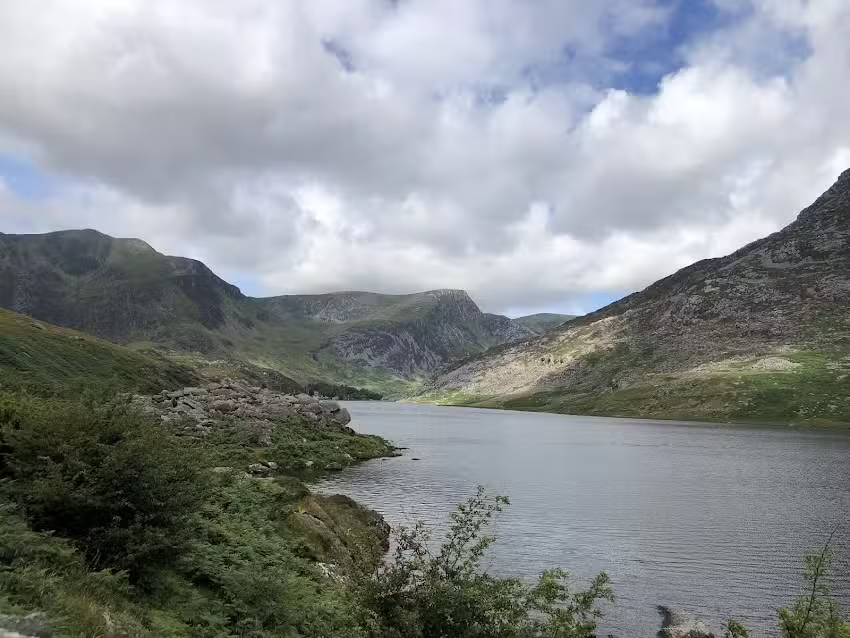
BackCymdeithas Genweirwyr Dyffryn Ogwen, also known as Ogwen Valley Angling Association, is a long‑established club offering access to a compact but varied network of waters centred on the river Ogwen and several upland lakes in north‑west Wales. It appeals mainly to anglers who value wild surroundings, traditional game fishing and the challenge of reading water rather than heavily managed commercial venues. The setting around Llyn Ogwen and the surrounding peaks is frequently highlighted by visitors as exceptionally scenic, which is an important part of the experience for many members and day‑ticket holders. While the association delivers rewarding fishing for those prepared to walk, adapt to changing conditions and respect local rules, it is not a highly serviced operation and that can be a strength or a drawback depending on what a visitor expects.
The core attraction is access to multiple waters on a single ticket rather than a single small pond. Members and visitors can fish two main beats on the river Ogwen, each around two miles of double‑bank water, along with four upland lakes that range from relatively accessible to properly remote. This mix gives scope for varied sessions: a few hours on easily reached shoreline one day, and a full day walking into a high corrie lake the next. For anglers who enjoy planning different approaches, this breadth is a clear advantage over many single‑water clubs.
Fishing opportunities and target species
The association promotes predominantly game fishing, with a focus on trout fishing rather than coarse species. Across the lakes and river, visiting anglers can expect wild brown trout as the backbone of the sport, with additional interest from stocked rainbow trout in Llyn Ogwen and migratory fish in the river. This mix makes the waters suitable for those seeking classic upland fly fishing as well as anglers who want a realistic chance of salmon or sea trout during the right part of the season.
On the stillwaters, the club controls Llyn Ogwen, Llyn Idwal, Ffynnon Lloer and Llyn Bochlwyd, each set within striking mountain scenery. These lakes hold natural brown trout, with Llyn Ogwen additionally stocked with rainbow trout to maintain more reliable sport through the season. For anglers specifically looking for rainbow trout fishing, Ogwen is the focal point, offering a combination of stock fish and resident browns in a relatively shallow ribbon lake. The upland waters appeal to those who enjoy stalking smaller but truly wild fish in clear water and are prepared to accept that size and numbers can be modest on harder days.
The river Ogwen itself is around seven miles long and is known for good sea trout fishing and a worthwhile run of salmon and grilse in addition to its resident brown trout. The club’s beats cover selected stretches between key bridges such as Pont y Pandy and Halfway Bridge, with a mix of fast runs, pocket water and longer pools. Certain named pools in the lower section are regarded as particularly productive salmon lies when levels and timing line up, rewarding anglers who are patient and willing to return regularly. This river element sets the association apart from stillwater‑only fishing lakes, offering a more complete game‑fishing portfolio for those who like to alternate between moving and still water.
Methods, rules and angler expectations
The club’s waters are run with a clear conservation‑minded rule set that may feel strict to some visitors but is aimed at protecting stocks. Fly fishing is the primary method encouraged, especially for brown trout and sea trout, with spinning permitted on some waters and typically favoured for salmon in appropriate conditions. On the lakes, the use of maggots and groundbait is banned, reinforcing the game‑fishing character of the fishery, while maggots on the river are tightly controlled and only allowed in conjunction with artificial fly within specific time limits.
Bag limits are also defined, including a daily maximum number of fish that can be retained from Llyn Ogwen before anglers are required to continue on a catch‑and‑release basis using fly. Club bailiffs and committee members have explicit authority to inspect catches and vehicles, and refusal can lead to membership being revoked. For responsible anglers used to similar controls on other fishing venues, these measures are likely to be seen as reasonable and reassuring; they underline that this is not a heavily stocked put‑and‑take water but a shared resource that must be looked after. However, visitors who expect a very relaxed environment with few checks may find this level of oversight surprising.
Access, facilities and practical aspects
One of the association’s selling points is the balance between accessibility and wildness across its waters. Llyn Ogwen itself is relatively easy to reach, lying beside a main road with parking options and proximity to a visitor area that provides tourist information and toilets at a paid car park. Some anglers appreciate being able to combine serious lake fishing with straightforward access and basic facilities, particularly when planning a short session or visiting with non‑fishing companions. By contrast, the higher lakes demand a proper walk and suitable clothing, which naturally limits pressure and enhances the sense of space.
The club has joined an online booking system, allowing day tickets to be purchased through a recognised platform rather than solely in person. This move has made it easier for visiting anglers to arrange a day on the water, especially on the more remote mountain lakes where traditional local outlets might be less convenient. For many modern anglers, this digital access is a real positive and aligns the association with other organised angling clubs that use similar systems. That said, the experience on the bank remains relatively low‑key: there are no tackle shops or cafés run by the club at the water’s edge, and information on the ground is limited, so preparation in advance is important.
Parking at key access points can involve charges, and at busy times the popularity of the surrounding area with walkers and tourists may affect how straightforward it is to find a space close to the water. For anglers who favour quiet farm‑track fisheries with dedicated car parks, this mixed‑use environment may feel less convenient. However, many visitors accept these compromises as part of fishing in a nationally recognised upland landscape rather than on an enclosed commercial site.
Atmosphere, scenery and overall experience
Feedback from visitors consistently highlights the setting as one of the strongest aspects of Cymdeithas Genweirwyr Dyffryn Ogwen. The waters are surrounded by steep hills and rocky ridges, and on clear days anglers enjoy open views that make even a quiet fishing session feel memorable. Short comments from recent visitors emphasise how attractive they find the area, with several describing it simply as a beautiful or very nice place to spend time. For many, this scenic value is just as important as the numbers of fish landed, particularly on the upland lakes where wild fish can be small but visually striking.
Because the association’s waters are not run on a heavily commercial model, there is a sense of traditional club culture rather than a service‑led attraction. Anglers are expected to take responsibility for understanding the rules, respecting fellow members and managing their own safety in changeable mountain weather. Those who enjoy self‑reliant days out tend to find this atmosphere appealing; there is space to fish at one’s own pace without scheduled pegs or constant staff presence. On the other hand, less experienced anglers looking for tuition, gear hire, bait shops or continuous on‑site guidance may not find what they need here.
Strengths, limitations and who it suits
For anglers looking specifically for scenic fishing lakes with a strong game‑fishing focus, Cymdeithas Genweirwyr Dyffryn Ogwen offers several notable strengths. These include varied waters on a single ticket, wild and semi‑wild trout populations, the added interest of salmon and sea trout in the river, and a setting that many visitors regard as outstanding. The availability of online day‑ticket booking is a practical advantage for travellers planning trips, and the clear rule structure provides reassurance that fish stocks are being managed with long‑term sustainability in mind.
There are, however, limits that potential visitors should weigh up honestly. This is not a highly stocked commercial trout fishery designed for guaranteed fast action; results can be variable and closely tied to weather, water levels and angler experience. Facilities are relatively sparse: while there are public conveniences and tourist services nearby, the association itself does not provide a full suite of on‑site amenities, and access to some lakes requires a demanding walk. Strict rules on methods, bait and bag limits may also feel restrictive to visitors used to more relaxed stillwater operations, although they will appeal to those who prioritise fish welfare and traditional fly fishing values.
Overall, Cymdeithas Genweirwyr Dyffryn Ogwen is well suited to anglers who value scenery, variety and the character of wild fish over sheer numbers. Prospective visitors who enjoy upland walking, are comfortable reading natural water and are happy to work within a structured rule set are likely to find the experience rewarding. Those seeking a beginner‑friendly commercial fishery with plentiful facilities, bait fishing and strong emphasis on large stocked fish may find other fishing lakes in the region more aligned with their expectations. Approached with realistic aims and appropriate preparation, the association’s waters can provide memorable days for both local members and visiting game anglers.