Deep Pool
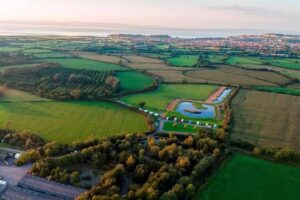
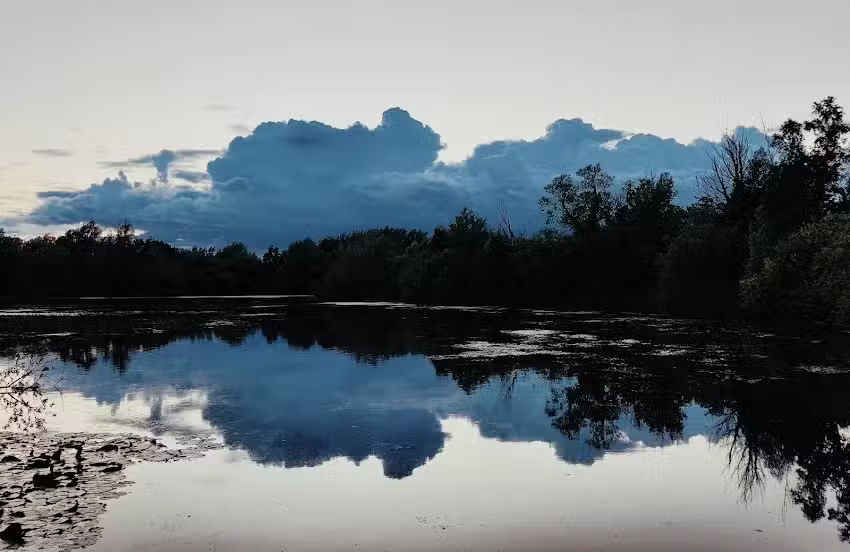
BackDeep Pool is a distinctive freshwater venue that attracts anglers who enjoy challenging, deep water conditions and a quieter setting than many commercial fisheries. Located within an industrial estate close to Milton, it offers an unusual combination of urban surroundings and a surprisingly secluded body of water that can appeal to those looking for something different from the usual countryside fishing complex. The pool itself is the defining feature: reports from visitors consistently mention its depth, with some describing it as over 30 feet, which creates very particular fishing conditions and sets it apart from many shallow day-ticket lakes. For potential visitors, this means a venue that rewards prepared anglers who are willing to adapt their tactics rather than a place for casual, first-time fishing without planning.
From the perspective of coarse anglers, the depth of the water is one of the main advantages. A genuinely deep lake can hold fish in different layers throughout the year, giving opportunities for varied approaches and making each session feel less predictable. Anglers used to shallow commercials may find that Deep Pool encourages more thoughtful fishing, from plumbing the depth accurately to experimenting with zig-style presentations or mid-water rigs. While specific stocking information is not publicly listed in detail, the setting within Dickerson's Pit suggests a long-established water body rather than a newly dug pool, which often indicates a more mature aquatic environment with established fish routes, underwater structure and natural food sources.
Access is straightforward for those arriving by car, as the pool sits on an industrial estate road rather than down narrow lanes. This can be a practical advantage for anglers carrying heavier gear, larger nets or multiple rods and bait buckets. Unlike some rural venues where parking and walking distances can be a concern, Deep Pool’s location makes it relatively easy to unload equipment close to the water. However, the industrial surroundings may not suit everyone; anglers who prioritise scenic views and countryside tranquillity may feel that the environment is more functional than picturesque. The trade-off is clear: easier access and an unusual setting in exchange for less traditional “chocolate-box” views.
One of the notable positives is that the venue is reported as being available at all hours, which is particularly attractive for dedicated anglers who value flexibility in their sessions. Being able to arrive very early or stay into the night allows for careful targeting of bite times, especially on a deep lake where fish behaviour can vary significantly with light levels and temperature changes. This can make Deep Pool appealing to experienced anglers who plan longer sessions, although it also means visitors need to take personal responsibility for safety in low light, particularly around steep or deep margins. For newcomers or family groups, the constant accessibility may be less important than clear on-site facilities and supervision, which are not prominently advertised.
In terms of strengths, Deep Pool’s biggest asset is the character of the water itself. The depth gives specialist anglers the chance to fine-tune techniques that are less relevant on shallower venues. For example, those who enjoy carp fishing can consider setting up adjustable zig rigs to intercept fish cruising mid-water rather than relying only on traditional bottom baits. Anglers who enjoy feeder fishing may benefit from experimenting with heavier feeders and longer hooklengths to cope with the depth and potential undertow. The venue suits patient, technically minded anglers rather than those who simply want quick bites on standard methods.
For predator anglers, the nature of the water is likely to be appealing. A deep, older lake can offer excellent conditions for species targeted through pike fishing or lure fishing, especially during cooler months when predators often hold in deeper areas before moving up in the water column during feeding spells. While no official stocking list is presented, the shape and depth of the pool suggest it could be an interesting location for those using spinning reels and soft lures to search different depths. The key is that predators in deeper waters require careful lure control and a good understanding of sink rates and retrieve speeds, so the venue can suit anglers who enjoy a technical challenge.
The industrial setting also offers some practical benefits. Compared with more remote fisheries, Deep Pool is relatively easy to reach from surrounding urban and suburban areas, making it suitable for after-work sessions or short evening trips during the lighter months. Anglers who rely on public transport or lifts from colleagues may find the location more workable than isolated countryside venues. At the same time, this environment may come with associated drawbacks: background noise, traffic nearby and a lack of the traditional lakeside café or tackle shop that some anglers appreciate as part of a day out. Potential visitors should be aware that the focus here is on the water and the fishing rather than on-site hospitality.
Available feedback from visitors tends to be short but positive, and almost all of it comments on the depth of the pool. Descriptions range from “over 30 feet deep” to remarks that it is “not really all that deep”, which highlights how perceptions vary depending on what anglers are used to. For someone accustomed to canals or shallow commercials, Deep Pool will feel significantly deeper and more demanding. For those with experience on reservoirs or large gravel pits, the depth may not seem extreme. This mixture of opinions underscores that the venue is not a standard, easy-read water; anglers who succeed here will usually be those prepared to adapt rigs, line choice and feeding strategy to suit the unique profile.
From a tackle perspective, anglers planning to visit Deep Pool should think carefully about their setup. Stronger main lines and appropriately rated rods can help cope with long casts and the strain of playing fish up from depth. Reliable fishing rods with progressive actions are useful when lifting fish from deeper water, and a good quality fishing reel with a smooth drag can make the process more controlled. Because bites at depth may feel different to those in shallow water, sensitive tips or well-tuned bite alarms can also make a difference in detecting subtle takes. These are all factors that prospective visitors should bear in mind when deciding whether the venue suits their current gear and experience.
For those who enjoy coarse fishing, Deep Pool can offer a more technical, thoughtful experience than the average day-ticket venue. Rather than relying on heavy baiting in the margins, anglers might need to focus on accurate casting to underwater features and careful feeding to keep fish interested at depth. The lack of abundant public information about stock levels and species composition may be a drawback for some, as it makes it harder to plan exact tactics in advance. However, it also adds an element of mystery and progression: regular visitors can build up their own knowledge of the water, find productive swims, and develop a personal understanding of how the lake fishes throughout the year.
There are, however, some clear limitations that potential visitors should be aware of. The venue does not heavily publicise rules, facilities or day-ticket arrangements, so new anglers may need to do a little extra research or local asking before their first visit. Those expecting a full-service fishery with on-site toilets, cafés, tackle shops and clearly marked pegs may be disappointed. Families with young children or absolute beginners may find a more managed fishery easier to navigate. Deep Pool is better suited to anglers who are already comfortable with basic watercraft and safety considerations around deep margins, especially when fishing alone or outside peak daylight hours.
On the safety side, depth is both a benefit and a risk. Deep water can offer more stable temperatures in hot spells and protect fish from rapid environmental changes, but it also means anglers must exercise caution near the bank. Sensible footwear, well-positioned banksticks or rod pods and an awareness of footing are particularly important. Anglers considering overnight sessions should take extra care with lighting and bank organisation to avoid accidents close to the edge. This is not unique to Deep Pool, but the combination of reported depth and a relatively uncommercialised setting makes personal responsibility a key part of any visit.
In terms of who is likely to get the most from Deep Pool, the venue seems aimed at self-reliant anglers who prioritise water character over on-site amenities. Those who enjoy fine-tuning rigs for deep water, experimenting with bait fishing at different levels in the water column, or dedicating longer sessions to tracking fish movements will find the challenges rewarding. Anglers who prefer highly stocked, easy-access venues with constant action may find this water slower and more demanding. As with many distinctive fisheries, the appeal lies in the balance between effort and reward: success often feels more satisfying precisely because it is not guaranteed.
For anglers choosing venues through directories, Deep Pool stands out as a specialised option rather than a general-purpose fishery. Its deep, established water, straightforward urban access and 24-hour availability are clear strengths for experienced coarse and predator anglers willing to put in the work. On the other hand, limited visible infrastructure, sparse public information and the industrial surroundings may be seen as disadvantages for those wanting a more traditional, beginner-friendly venue. Anyone considering a trip should think carefully about their expectations, skill level and preferred style of fishing, and treat Deep Pool as a water that rewards preparation, patience and a methodical approach to each session.