Denver Clay Pit
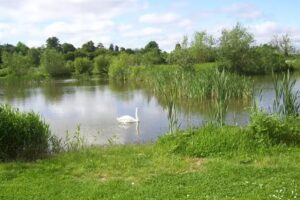
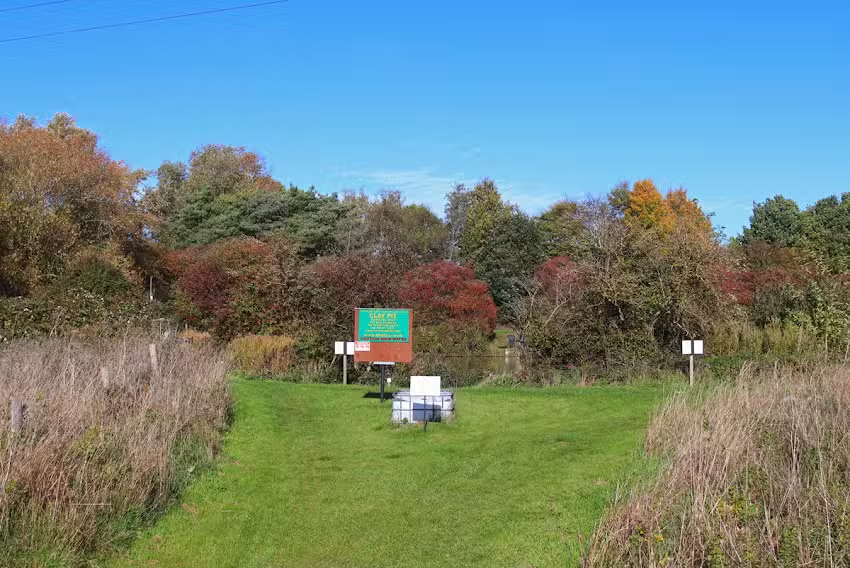
BackDenver Clay Pit stands as a modest yet intriguing venue for casas de pesca enthusiasts seeking a dedicated spot for angling pursuits. This members-only site offers a small lake that consistently delivers rewarding experiences for those in the know, with its well-maintained platforms enhancing accessibility for a variety of fishing techniques. Anglers appreciate the reliable stock of fish, making it a go-to choice for regular visits without the crowds often found at larger commercial waters.
Facilities and Accessibility
The fishing platforms at Denver Clay Pit receive particular praise for their sturdy construction and thoughtful placement around the lake's edge, allowing for comfortable sessions even during extended periods. These setups cater well to match and pleasure anglers, providing stable footing on what could otherwise be uneven terrain typical of clay pit environments. Availability around the clock further appeals to those preferring early dawn or late evening casts, aligning with peak fish activity times.
However, the exclusive members-only policy means newcomers must navigate an application process, which can deter casual visitors looking for immediate access. This restriction ensures a quieter atmosphere but limits spontaneity, potentially frustrating those accustomed to open casas de pesca venues. Limited public feedback also suggests that information on membership criteria remains sparse, requiring direct inquiry for clarity.
Fish Stocks and Variety
Feedback highlights the lake's good stocking levels, supporting a healthy population of common coarse species suited to Norfolk's waters, such as roach, perch, and tench. The small size of the pit concentrates fish activity, leading to frequent bites and respectable catches for patient anglers employing standard baits like maggots or worms. This setup proves ideal for skill-building rather than trophy hunting, offering consistent action that keeps sessions engaging.
On the downside, the modest scale of the water means larger specimens are less common, with reports indicating average sizes rather than record-breakers. Overstocking risks in smaller casas de pesca like this could lead to stunted growth if not managed meticulously, though current accounts suggest maintenance keeps this in check. Variety remains focused on coarse fishing, lacking the diversity of predator species found in bigger complexes.
Atmosphere and User Experience
The serene setting fosters a focused angling environment, free from the noise and pressure of public fisheries, appealing to those valuing solitude over social buzz. Platforms spaced adequately prevent peg-hogging disputes, promoting fair play among members who respect the site's ethos. Such tranquility enhances enjoyment for specimen hunters targeting personal bests in a low-key manner.
Yet, the single available review points to a nascent online presence, which hampers broader awareness and trust-building for prospective members. Sparse documentation of catches or events leaves potential visitors guessing about seasonal patterns or hot spots, a common shortfall in lesser-known casas de pesca. This opacity contrasts with more vocal venues where shared logs build community excitement.
Management and Maintenance
Evidence of diligent upkeep shines through in the lake's condition, with platforms in good repair and no mentions of litter or neglect. Open 24 hours daily supports flexible scheduling, accommodating shift workers or tourists exploring Norfolk's angling scene. Membership likely enforces rules that preserve water quality, contributing to sustained fish health.
Potential Improvements
Expanding online engagement could address the visibility gap, perhaps through a simple members' forum sharing peg reports or bait tips tailored to the pit's unique contours. Introducing trial days for vetted guests might broaden appeal without compromising exclusivity. Enhanced signage or basic amenities like rod rests could elevate comfort on platforms already well-regarded.
Drawbacks include the lack of on-site facilities such as toilets or bait sales, forcing self-sufficiency that suits hardened anglers but burdens families or novices. Dependence on personal gear underscores the need for prior preparation, unlike stocked shops at commercial casas de pesca.
Comparison to Regional Peers
Within Norfolk's landscape of clay pits and drains, Denver distinguishes itself through intimacy rather than scale, contrasting sprawling venues like those on the Ouse Washes. Its small lake demands finesse over power casting, suiting float anglers over method feeders. Members enjoy uncrowded pegs, unlike busy day-ticket waters where queues form at dawn.
- Intimate size promotes frequent action without long waits between bites.
- Platforms outperform makeshift banks at wilder sites.
- Membership filters out disruptive elements, ensuring respectful conduct.
Nevertheless, competitors offer extras like club houses or species lists, areas where Denver lags. The absence of diverse events, such as open matches, limits competitive outlets compared to organised syndicates.
Suitability for Different Anglers
Beginners benefit from the forgiving fish stocks and stable platforms, gaining confidence without overwhelming choices. Seasoned coarse fishers find reliable roach shoals for silvers bags, while perch enthusiasts note decent jacks lurking in margins. The pit's predictability aids bait strategy refinement, from caster clouds to worm rigs.
Less ideal for lure chuckers or fly fishers, given the coarse focus and small margins unsuited to long-range tactics. Carp anglers may leave disappointed by the lack of mirrors or commons over 10lbs, pushing them towards dedicated pools elsewhere. Pike fishing potential exists but remains unverified in scant reports.
Seasonal Considerations
Spring and autumn likely peak with tench and roach responding to warming waters, while summer suits waggler work over lilies. Winter holds promise for perch on lobs, though cold snaps test resolve on exposed pegs. Year-round access mitigates off-season blues plaguing seasonal venues.
Weather exposure poses challenges, with no shelters noted, amplifying wind chill on open platforms. Muddy accesses post-rain could complicate gear transport, a pitfall of clay-based terrains despite solid angling returns.
Broader Context in Angling Culture
Clay pits like Denver embody the traditional British casas de pesca spirit, born from industrial extraction now repurposed for recreation. Their natural depth profiles harbour resilient stocks, thriving post-extraction sedimentation. Local syndicates maintain this heritage, balancing preservation with accessibility.
Critics note over-reliance on membership models risks stagnation, sidelining innovation like habitat enhancements or stocking programmes. Public fisheries evolve faster with customer feedback loops, an edge Denver misses amid its insular setup.
Environmental Notes
The site's ecological footprint appears low, with no pollution complaints and natural surrounds supporting biodiversity. Fish health infers balanced ecosystems, though intensive stocking demands vigilant water testing to avert algae blooms common in stagnant pits.
In summary of strengths, Denver Clay Pit delivers solid, understated angling value through stocked waters and quality platforms, tempered by exclusivity and limited exposure. Prospective members weigh these traits against personal needs for an authentic coarse fishing haven. (Word count: 1,248)