Dixon Green Fishing Pond
BackDixon Green Fishing Pond offers local anglers a simple, no-frills place to cast a line in a residential part of Farnworth, with a character that reflects its role as a community water rather than a polished commercial venue.
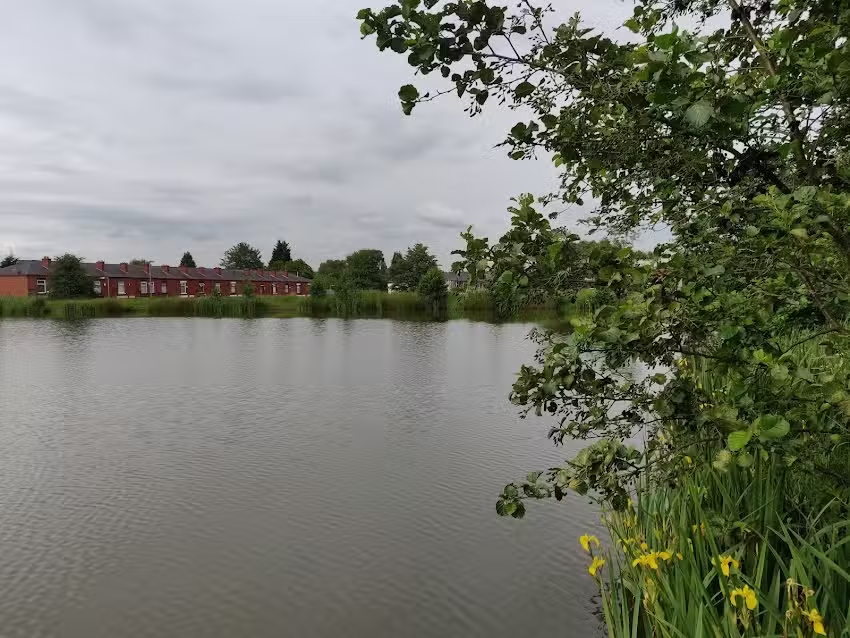
The setting is a natural urban pond surrounded by housing and local streets, so it tends to attract people who want somewhere close by for a quick session rather than a full day out at a destination fishery. Regular visitors describe it as a local pond used mainly for fishing and casual recreation, with mixed fish species and a variety of flora and fauna around the banks.
For anglers looking for accessible coarse fishing, the connection to the local angling association matters. Farnworth and District Angling Association list Dixon Green among their waters alongside other local venues such as Tommy Walkers and Gorse Pit, which indicates that the pond is part of a wider network of community-managed fisheries rather than a stand‑alone commercial complex. This means many of the usual expectations of a club water apply, including respect for the banks, other anglers and any informal rules that may be in place.
On the positive side, Dixon Green Fishing Pond is appreciated as a straightforward spot where you can focus on the essentials: your tackle, your bait and your time on the bank. There is no emphasis on extensive facilities, cafes or tackle shops on site; instead, the attraction lies in having a body of water within walking distance for many local residents who want to enjoy a few hours of coarse fishing without long travel or complicated booking systems.
Reviews highlight the pond as a natural space that still supports a reasonable range of fish, plants and wildlife, which can be appealing if you like an uncomplicated, authentic environment rather than a heavily manicured commercial complex. The fact that it is open around the clock makes it a flexible choice for those who prefer early morning starts, after‑work sessions or quiet overnight angling when allowed by the controlling club.
Families and newcomers to fishing lakes may also find value here, particularly if they are already based in the area and want to introduce children to watercraft, fish care and bank safety in a familiar setting. While Dixon Green does not position itself as a dedicated training venue with structured tuition, the scale of the water and its neighbourhood feel can make it less intimidating than travelling to larger commercial fisheries where expectations and day‑ticket rules may be more demanding.
However, visitor feedback over recent years shows that the pond has also faced some challenges, especially regarding bank maintenance and general upkeep. Some anglers mention that walking right around the pond can be difficult due to overgrown bushes, nettles and thick vegetation, noting that it used to feel like a tidier, more open place in the past. This affects not only ease of access but also how comfortable it feels to choose a peg, move swims or fish with younger children who may be less steady underfoot.
Comments from locals express disappointment that an area they remember fondly from childhood has become harder to enjoy fully, with calls for the place to be “sorted” and brought back to a more welcoming standard. This sense of gradual decline is echoed in community discussions where residents have raised concerns about safety and suggested measures such as fencing or additional management oversight to protect the water and those who use it.
The idea of fencing off Dixon Green Fishing Pond has appeared in local community groups, where people have debated whether a more controlled perimeter might reduce antisocial behaviour and accidental access while still allowing responsible anglers to continue using the water. For potential visitors, this ongoing conversation signals that the pond is a live topic in the area, with some residents keen to see more structured management while others value informal access.
As a result, the overall experience at Dixon Green can vary depending on what you are looking for. If your priority is immaculate platforms, clearly marked pegs and a fully serviced day-ticket fishery, you may find the pond rough around the edges. On the other hand, if you appreciate traditional club waters where you adapt to the conditions, work around the vegetation and value peace over polish, this setting might still hold appeal.
In terms of angling opportunities, the pond is known as a mixed fishery rather than a specialist venue, so you can expect a variety of coarse species rather than heavily stocked carp or specimen-only sport. This suits anglers who enjoy changing tactics, experimenting with different baits and targeting whatever shows on the day, rather than those chasing named fish or chasing records.
Typical approaches on waters of this type include using light to medium coarse tackle, simple float rigs or feeder methods, and a selection of maggots, worms, sweetcorn or pellets to pick off bites from a range of species. While detailed stocking lists are not widely published, the general description as a mixed fishing pond suggests that you may encounter species common to local club waters, such as roach, perch, bream, small carp and possibly tench.
Because the pond sits within an urban area, it is worth being mindful of the surrounding environment. Weekends, school holidays and lighter evenings may bring more visitors, dog walkers and non‑anglers to the vicinity, which can either add a bit of atmosphere or be a distraction, depending on your preferences. Anglers who favour quiet, methodical sessions often find that early mornings or less popular times of the week offer a calmer experience on the bank.
Accessibility is one of the more practical advantages. Unlike some rural fisheries that require narrow‑lane driving and dedicated parking arrangements, Dixon Green’s location near residential streets and local transport routes makes it easier for nearby residents to reach with minimal planning. This can be a deciding factor if you are fitting a session around work, family commitments or limited mobility.
On the flip side, the lack of on‑site amenities means that visitors should arrive prepared. There is no indication of permanent toilet blocks, cafes, tackle shops or formal reception areas directly on the pond, so organising your own refreshments, bait and equipment in advance is essential. For some, this stripped‑back feel is part of the charm; for others, particularly families or those making a longer trip, it may be less convenient compared to more fully equipped angling lakes in the wider region.
Another aspect to consider is that online information about Dixon Green Fishing Pond is relatively limited compared with higher‑profile venues. Detailed catch reports, regular stocking updates and structured rule lists are not widely publicised, so much of the practical knowledge tends to circulate through local anglers, club contacts and word of mouth. Prospective visitors who are unfamiliar with the area may find it useful to speak directly with the angling association or with local anglers to clarify current expectations and any informal guidelines before turning up for the first time.
From a potential customer’s perspective, the strengths of Dixon Green lie in its convenience, community roots and straightforward character as a neighbourhood fishing lake. It offers somewhere to practise casting, introduce children to coarse angling or unwind for a few hours close to home, without the pressure sometimes associated with more commercial day‑ticket waters.
The limitations mainly relate to maintenance, bank access, and the absence of modern commercial facilities. Overgrown vegetation, uneven paths and variable cleanliness can detract from the experience for those expecting a tidy, well‑signposted venue, and there is clear feedback from locals that more regular upkeep would help restore some of the appeal that long‑term residents remember.
Ultimately, Dixon Green Fishing Pond is best suited to anglers who value a low‑key, local water and are comfortable adapting to a more natural, slightly worn‑in environment. It is not trying to compete with destination carp fisheries or high‑profile coarse fishing lakes; instead, it remains a modest community pond whose future quality will depend in large part on the continued involvement of local anglers, residents and the club that includes it among its waters.