Downham Tackle
BackDownham Tackle built its reputation as a traditional independent fishing tackle shop, serving local anglers from a compact but well‑stocked unit at 443A Bromley Road in Bromley. Over the years it became a familiar name for people looking for everyday fishing tackle, last‑minute bait and practical advice before heading out to nearby waters. Regulars valued the personal attention and the sense of continuity that can be difficult to find in larger retail chains, especially when choosing specialist gear such as fishing rods or matching fishing reels to a particular style of angling.
The shop was run in a very hands‑on way by its owners, who were closely involved in the day‑to‑day business rather than leaving things to hired staff. This meant that customers were often dealing directly with someone who understood the seasons, the local venues and the small details that make a difference, from line diameters to hook patterns. For newcomers, having a human being explain the basics of coarse fishing or recommend a simple starter setup was often more helpful than scrolling through pages of products online, and this personal contact formed a large part of the appeal.
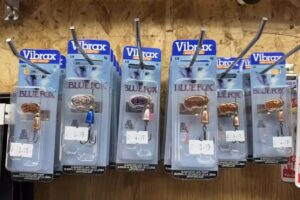
Downham Tackle was known primarily as a straightforward tackle shop rather than a lifestyle store, focusing on functional items that anglers actually used. Visitors could expect to find core essentials such as terminal tackle, hooks, floats, leads, line and entry‑level spinning reels, along with simple fishing lures and basic fishing accessories. The emphasis was on practical equipment for real‑world use, so the shop appealed in particular to anglers who wanted to top up on bits and pieces before a session rather than invest in premium display pieces.
Because it operated on a modest scale, the range was never as expansive as that of big national retailers. Shoppers looking for the latest high‑end carp fishing innovations, specialist travel rods or niche brands might have found the selection limited compared with large multi‑floor superstores. However, many customers felt that the curated stock made decisions easier; instead of facing hundreds of similar fishing reels or walls of near‑identical fishing lures, they could focus on proven items chosen by people who knew what sold and what worked in local conditions.
One of the key strengths of Downham Tackle lay in its local knowledge. Staff could talk sensibly about where certain species were feeding, what baits tended to work at different times of year and how water levels or weather patterns affected results. For anglers targeting nearby rivers or lakes, this kind of information could be more valuable than another expensive fishing rod. The informal chat at the counter often included tips on rigs, line strength and simple adjustments that could boost catch rates, and this supportive atmosphere fostered a sense of loyalty among regulars.
The shop also provided a social element that is easy to underestimate. Independent tackle shops often become informal hubs where anglers exchange stories, compare recent catches and keep in touch with local events. Downham Tackle played that role for many people, offering a familiar space where a quick visit to buy bait or a new fishing line might turn into a conversation about techniques, new waters to try or changes in local rules. For beginners, that environment could be reassuring, as they could ask basic questions without feeling judged.
However, there were also limitations that potential visitors needed to be aware of. The physical space at 443A Bromley Road was relatively small, and while it was well used, this inevitably restricted the depth and breadth of stock. Anglers looking for advanced sea fishing equipment, large‑item storage solutions or a wide choice of high‑end baitcasting reels would sometimes have to look further afield or supplement their purchases with online orders. The balance between being a convenient neighbourhood shop and a fully comprehensive superstore inevitably leaned towards the former.
Another important point is that Downham Tackle did not develop a strong online retail presence. As larger competitors invested heavily in e‑commerce, free delivery and searchable catalogues of fishing tackle, small brick‑and‑mortar businesses were placed under increasing pressure. For customers who preferred browsing on their phone, checking stock availability in real time or comparing prices across multiple brands, this lack of digital infrastructure could be a disadvantage compared with modern online fishing shops.
Reviews from anglers who used Downham Tackle reflected a generally positive impression, especially regarding the friendliness of the owners and the quality of the service. People highlighted the approachable manner at the counter and the willingness to give honest advice rather than automatically steering customers towards the most expensive fishing gear. That level of trust is particularly important with technical purchases like fishing rods, where getting the wrong action or length can significantly affect performance and enjoyment.
Despite these strengths, the business ultimately came to an end when the owners retired, and the shop is now closed. For anyone researching where to buy fishing tackle in the area today, this is a crucial detail: Downham Tackle no longer trades from its Bromley Road address, and the premises are not available as a current retail option. Some anglers may still remember the name fondly, but in practical terms it should now be viewed as a part of local angling history rather than a store that can be visited.
The closure highlights some of the broader challenges facing small independent tackle shops. When an owner‑managed store reaches retirement age without a clear succession plan, it is often difficult to find a buyer willing to continue trading in a highly competitive market. Rising costs, changing shopping habits and the dominance of large retail chains and online platforms for fishing gear can make it hard for a small shop to justify long‑term investment. Downham Tackle’s story is an example of how valued community businesses can disappear when these pressures accumulate.
For anglers considering what the shop used to offer, there are lessons to take from its strengths and weaknesses. On the positive side, Downham Tackle showed how valuable personal service and genuine experience are when choosing items like fishing rods, fishing reels and essential fishing accessories. Being able to talk through options, describe the waters you fish and have someone match a setup to your needs is something that mass‑market retailers often struggle to provide in the same depth.
At the same time, the limited footprint and absence of a modern online platform meant that the shop could not always compete in terms of choice and convenience. Customers today are used to browsing a wide range of fishing tackle from home, reading detailed specifications and reviews before making a decision. Where Downham Tackle relied on face‑to‑face advice and a carefully chosen range, larger players in the market now offer thousands of items at the click of a button, including highly specialised carp fishing gear, advanced spinning reels and an almost endless array of fishing lures.
For potential customers researching the name now, it is useful to approach it with clear expectations. The brand is associated with a small, friendly, traditional shop that once served its community well, but it does not function as a current destination for purchasing fishing tackle. Anyone looking to buy equipment today will need to look to alternative local stores or online retailers that supply everything from basic terminal tackle to premium fishing rods, fishing reels and more specialised sea fishing products.
In practical terms, Downham Tackle stands as a reminder of the advantages and drawbacks of independent tackle retail. Its history shows the value of knowledgeable staff, focused ranges and genuine interest in customers’ success on the bank, while also underlining how essential it is for a modern fishing shop to balance that with wider product choice and some form of online presence. For anglers, understanding this context helps when deciding where to source their next piece of fishing gear and what kind of shopping experience they value most.