
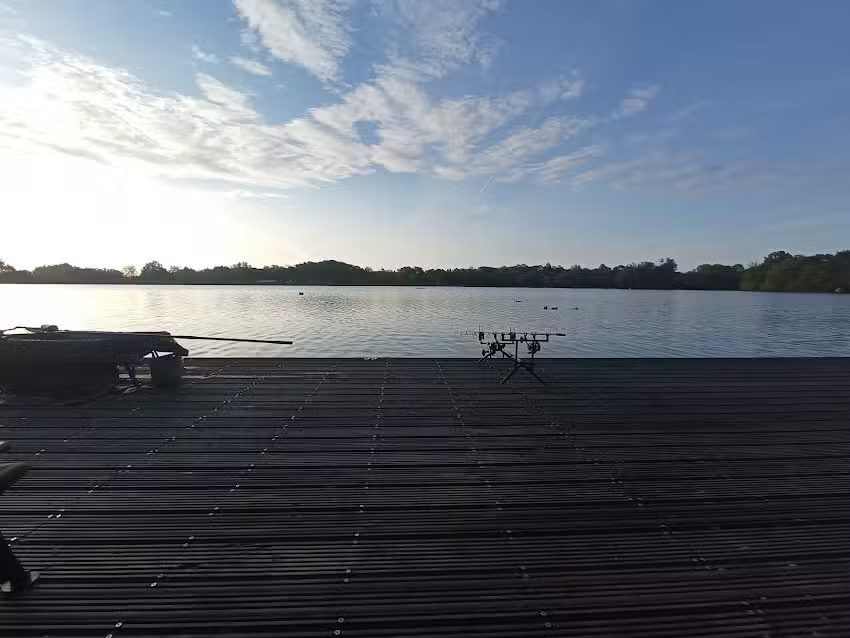
Drayton reservoir
BackDrayton Reservoir is a long-established commercial fishery that has built a strong reputation with carp anglers who want consistent action and the chance of heavy bags of hard-fighting fish. The setting is functional rather than picturesque, but for many visitors the draw here is the sheer volume of bites, the average size of the carp and the opportunity to test themselves on a venue where multiple takes in a short period are genuinely possible.
This is not a general leisure lake with extensive facilities; it is very much a purpose-run venue centred on carp fishing and the needs of visiting anglers. The water is operated as a commercial fishery with designated pegs, clear rules and a structured ticket system designed to manage pressure and maintain fish welfare. For potential visitors this focus brings clear benefits in terms of consistent stocking and good access, but it also means that non-anglers and casual walkers can find the site restrictive and more utilitarian than scenic.
One of the main attractions of Drayton Reservoir is the stock profile. The water was heavily stocked with carp which have grown quickly, and it is widely regarded as a runs water where double-figure fish are standard rather than exceptional. Reports indicate that average carp weights commonly sit in the mid-teens, with plenty of fish in the 14–18lb bracket and regular captures over 20lb. There are also larger specimens present, with historical records of carp exceeding 30lb and even touching the 40lb mark, making it a compelling option for anglers who enjoy fast-paced commercial carp lake sport but still want a realistic chance of a personal best.
Alongside the headline carp stocks, the reservoir also holds roach, perch, tench and pike, although these species are less frequently targeted. Most visitors arrive with specimen carp fishing in mind, but those prepared to scale down can find plentiful silver fish and predators, including pike that have pushed well into the twenties. In practice, however, the dominance of the carp and the way the fishery is run mean that coarse anglers interested in mixed-bag sport might feel slightly overshadowed by the venue’s carp-focused identity.
The layout of Drayton Reservoir is designed with anglers in mind. A boardwalk runs around much of the water, providing access to more than a hundred pegs and ensuring that swims can be reached easily with a barrow, even for those carrying a full complement of bivvy and overnight kit. The fishery is divided into distinct areas – often referred to as the dam wall, the straight, the point and the boards – each offering slightly different features and ranges. This structure helps regulars and newcomers alike to plan their approach, but it also means that space is clearly allocated and some areas are marked for anglers only, which can be off-putting for people simply wanting a waterside stroll.
Accessibility is one of the key strengths here. The pegs are generally described as clean and tidy, with stable platforms that make it straightforward to set up a pod, chair and other carp tackle without wrestling with uneven ground. Anglers note that the walks from the car park can still be meaningful, particularly when loaded up for longer sessions, but the boarded paths and peg layout go a long way towards making the venue workable for a wide range of abilities. For anyone who has struggled with mud, steep banks or poorly maintained swims at more traditional waters, the infrastructure at Drayton will feel like an upgrade.
Another positive repeatedly mentioned is the productivity of the fishing. It is common to hear of anglers landing multiple double-figure carp over a 24-hour session, with 100lb-plus bags reported often enough to be considered part of the venue’s normal pattern rather than a rare purple patch. Some describe sessions where both rods are bent into fish at once, particularly in the warmer months, which underlines why the fishery enforces a two-rod limit. For those who frequently blank elsewhere, Drayton is regarded as a place where bites feel almost guaranteed when conditions are reasonable and the basics are done correctly.
However, the very abundance of fish and the resulting angling pressure do have drawbacks. Many visitors comment on how powerful and aggressive the carp are, and while this is part of the attraction, it has also led to some concerns about fish welfare. A recurring criticism from some anglers is the condition of certain fish, with mentions of damaged mouths or worn fins, which they attribute to the combination of heavy use, constant catching and less experienced visitors not always handling fish as carefully as they should. The fishery does insist on appropriate welfare equipment – such as decent-sized landing nets, unhooking mats or cradles and barbless hooks – but it remains a venue where the sheer number of captures inevitably leaves its mark on some specimens.
From a rules perspective, Drayton Reservoir follows the typical pattern of a modern day ticket carp fishery. Barbless hooks are mandatory, keepnets are not allowed for carp, and there are clear expectations around the use of proper landing nets and unhooking gear. Bait boats are not permitted, and braided mainline is restricted except for appropriate specialist uses. For most experienced carp anglers these requirements will feel entirely reasonable and familiar. Newer visitors might find the list a little daunting at first, but the overall tone is one of common-sense fish care rather than overly harsh or complicated regulation.
The booking and ticketing system is another aspect that potential customers should understand. Day tickets operate on a first-come, first-served basis, while night fishing must be booked in advance, often for specific pegs such as those on the boards or certain sections of the dam. This system helps to prevent overcrowding and gives overnight anglers confidence that they will have a designated swim on arrival. On the other hand, it can occasionally create tension when expectations around start and finish times are not perfectly aligned, as highlighted by isolated complaints from visitors who felt their sessions were cut short or that communication could have been clearer.
Experiences with the on-site management and bailiffs are generally positive, with many anglers remarking on helpful, approachable staff who offer advice on pegs, methods and even practical details such as local food deliveries. Friendly bailiffs who are visible on the bank and willing to chat add to the sense of a well-run carp venue, especially for first-timers who appreciate guidance on where fish are currently showing or which baits are doing the business. That said, there are occasional, more critical accounts from visitors who felt unwelcome or found the attitude of staff brusque or overly strict. These seem to be exceptions rather than the rule, but they serve as a reminder that experiences can vary depending on the individuals on duty and the pressures on the water at a given time.
For non-anglers and families, the appeal of Drayton Reservoir is more limited. Although there is water, wildlife and a sense of open space, reviews repeatedly stress that the main walkways and boardwalks are primarily for anglers, with some sections explicitly signed as restricted. People turning up expecting a long circular walk or a leisure park environment sometimes leave disappointed, particularly when they find references online that appear to confuse the site with nearby country park facilities. Prospective visitors should therefore be clear that this is a specialised fishing lake, not a multi-purpose recreation area with cafes and playgrounds.
In terms of value for money, Drayton Reservoir is widely seen as reasonably priced, especially considering the volume and average size of carp available. Day ticket rates with a two-rod limit are typical of busy Midlands carp fisheries, and overnight tickets are competitive when compared with similar high-stocked waters. For anglers willing to make the journey, particularly those looking for confidence-building trips or a chance to test new rigs and baits on responsive fish, the cost-to-result ratio is very attractive. Those who prefer quieter, more lightly stocked venues with a more traditional feel may not find the same value here, as the atmosphere is very clearly oriented around numbers of fish and angler throughput.
On the water, modern carp techniques are the order of the day. Many visiting anglers find that straightforward approaches – such as solid PVA bags, method feeders or simple bottom-bait and wafter presentations over pellets – work extremely well. The carp are powerful, fast and capable of pulling rods from rests if anglers are not attentive, so quality bite alarms and properly set drags or baitrunner reels are considered essential. Advice from experienced regulars often includes bringing two landing nets due to the frequency of double hook-ups during productive periods, and stepping up mainline and hooklink strengths to cope with the sustained pressure of repeated runs.
Fish behaviour at Drayton reflects the high stock density. Feeding spells are often concentrated into late afternoon and evening, and the carp can move quickly between areas in response to weather, angling pressure and wind direction. In settled conditions they are frequently found patrolling at range off the boards or close to the dam wall, while at other times they push along the straight or into more sheltered corners. This dynamic pattern rewards anglers who are prepared to watch the water, adjust leads and feeding patterns and think about how their chosen peg fits into the broader shape of the reservoir.
From a comfort perspective, the venue is geared towards the demands of extended sessions. Many pegs are suitable for setting up bivvies, and the clear, flat platforms mean that overnighting is generally straightforward. Noise levels can be higher than at remote, rural lakes due to the number of anglers and occasional traffic or activity in the surrounding area, but most visitors accept this as part of the trade-off for fishing a highly stocked, convenient UK carp fishery rather than a secluded syndicate water. Cleanliness of pegs is frequently praised, with regulars noting that the fishery team put effort into keeping swims tidy and discouraging litter.
On the downside, popularity means that Drayton Reservoir can feel busy, especially at weekends, bank holidays and peak summer periods. Anglers who value solitude and large distances between pegs may find the density of swims and the volume of lines in the water challenging. The limited availability of certain pegs for night sessions, combined with the booking system, can also lead to disappointment if preferred areas are already taken. For those able to visit midweek or outside peak periods, the atmosphere is often more relaxed, with greater freedom to choose pegs and move if necessary.
Overall, Drayton Reservoir stands out as a dedicated carp fishing venue that offers high catch rates, strong average fish sizes and practical facilities geared to the needs of modern anglers. It excels as a place to gain confidence, put rigs and baits to the test and simply enjoy the regular buzz of takes from powerful, hard-fighting fish. At the same time, the commercial nature of the operation, the intense fishing pressure and the focus on numbers over solitude mean that it will not suit everyone. Anglers considering a visit should weigh the prospect of prolific action and accessible swims against the likelihood of a busier bank, some well-worn carp and a setting that prioritises angling efficiency over traditional quiet-water charm.