Dunmore Angling Club
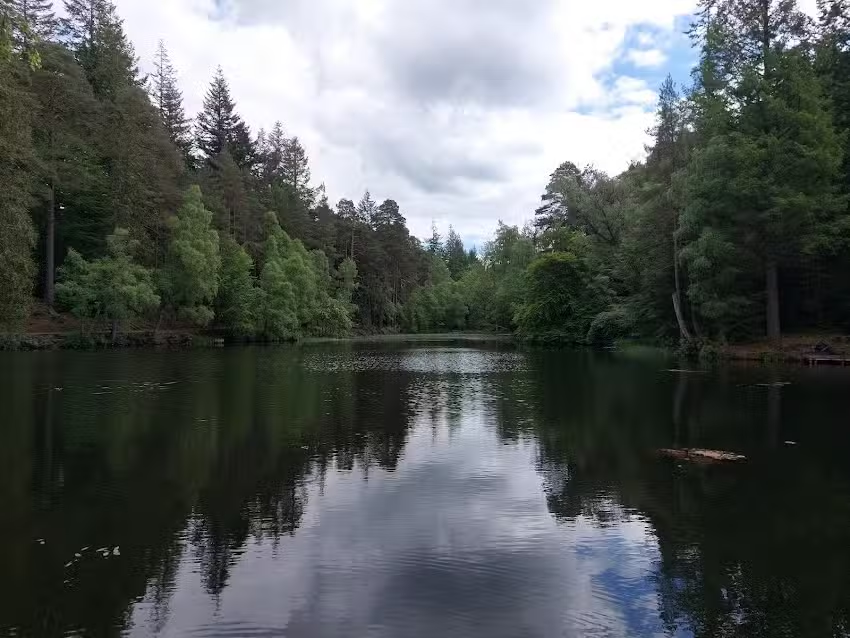
BackDunmore Angling Club is a small, dedicated coarse fishing club set on the banks of Loch Dunmore, surrounded by woodland near Faskally House in Pitlochry, and it caters mainly for anglers who appreciate tranquil surroundings, simple facilities and a focus on accessible freshwater fishing rather than commercial tourism.
The club is often described as Scotland’s most northerly coarse angling club, which instantly marks it out as a niche option for those who are particularly interested in targeting non-salmonid species rather than the more typical trout and salmon fisheries found across the Highlands. This positioning makes it attractive to anglers who are specifically seeking coarse fishing in a scenic forest setting, rather than high-pressure beats on big rivers. The woodland environment around Loch Dunmore, with paths and mixed tree cover, adds to the appeal for those who value peace and wildlife alongside their session on the water.
One of the main strengths of Dunmore Angling Club is the setting of Loch Dunmore itself, a compact forest loch that gives anglers an intimate venue where they can cover water efficiently and feel close to the margins, reed beds and features that coarse fish tend to favour. For visitors who like working the margins with float tackle or light ledger rigs, this kind of water is particularly suitable, and it is a very different experience from large windswept reservoirs. The walk-in nature of the loch also means that, while not a fully equipped commercial complex, it offers a sense of seclusion that many anglers actively look for when planning short sessions.
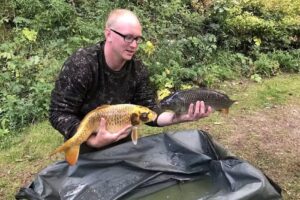
The club’s coarse focus means that species such as perch, pike and other non-salmonid fish are the main quarry, which will interest anglers who want a change from the more typical Highland trout venues. Those looking for pike fishing in scenic surroundings may find Loch Dunmore an appealing alternative to better-known waters, especially if they enjoy lure or deadbait tactics from the bank. However, potential visitors should be aware that this is a club-run water rather than a large commercial predator fishery, so expectations around fish size, numbers and stocking should be realistic and based on the more traditional club model.
Because Dunmore Angling Club operates as a local club, the atmosphere tends to lean towards regular members and repeat visitors rather than a highly polished tourism set-up, and this has both advantages and drawbacks. On the positive side, that local feel can create a welcoming environment for anglers who appreciate straightforward venues where fishing and community matter more than branding. On the other hand, those used to commercial fishing lakes with on-site shops, hire tackle, catering and staff available throughout the day may find facilities here more basic than expected.
Information about the fishery is mostly shared through the club’s social media presence and word-of-mouth, rather than through a dedicated, frequently updated website. This can be convenient for anglers who already use social platforms to follow conditions and catch reports, but it may feel less organised for those who like detailed online brochures, interactive maps or clear breakdowns of rules and prices. Potential visitors who value clarity should take the time to read available posts and contact the club in advance to confirm any current rules, access arrangements and day ticket options.
Access to the loch is via the woodland near Faskally House, and while this provides a very attractive setting, it also means that parking, bank access and mobility can be more challenging than at purpose-built commercial complexes. Anglers who are comfortable walking short distances along forest paths and carrying their own gear will likely enjoy the setting; those who require very easy access from car to peg may need to plan ahead and ask about the most convenient entry points. The lack of highly developed infrastructure is part of the charm for some, but could be a drawback for families with young children or anglers with limited mobility.
As with many club-managed waters, Dunmore Angling Club appears to focus on maintaining a balance between angling pressure and the health of the fishery, rather than maximising the number of visiting anglers at any cost. This approach can result in quieter banks and better-conditioned fish, which many coarse anglers value highly. However, it can also mean that availability of permits, competition dates or temporary closures might affect when visitors can fish, so checking ahead is sensible if you are travelling from further afield.
The reputation of the club within the coarse angling community leans towards a quiet, scenic venue rather than a heavily promoted hotspot, and this matches the broader pattern seen with many traditional angling associations across Scotland. Anglers who are used to researching fishing lakes and fishing ponds online may notice that detailed catch statistics and species breakdowns are not as prominent here as on some English commercial fisheries. This does not necessarily mean the fishing is poor, but it does require a more exploratory mindset, with an emphasis on reading the water, trying different methods and speaking with club members for advice.
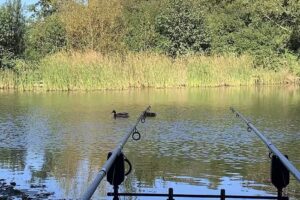
For coarse anglers, the surroundings of Loch Dunmore and the sheltered nature of the water lend themselves well to a range of tactics, from pole and waggler fishing close in, to simple feeder rigs presented towards any visible features. The relatively modest size of the loch allows anglers to cover several likely spots in a single session without feeling overwhelmed by scale. Those who enjoy methodical fishing, building up a swim and adjusting to subtle changes in fish behaviour, will probably find the venue more rewarding than those who expect instant action typical of some highly stocked commercial carp fishing lakes.
Visitors should also remember that the Scottish climate can be changeable, and a forest loch can feel quite different depending on season and weather conditions. On still summer days, the sheltered banks and tree cover can create an inviting, calm environment, while in colder months the same trees can shade the water and make it feel cooler and more enclosed. Anglers planning a trip would be wise to bring appropriate clothing, bank-friendly footwear and tackle suited to both open water and margin fishing, as well as being prepared for the possibility of midges in warmer, still conditions.
Compared with larger, multi-lake fishing complexes, Dunmore Angling Club offers a fairly focused experience centred on Loch Dunmore and its immediate surroundings. There is no on-site tackle shop or café, so visitors need to come prepared with bait, end tackle and refreshments. This more self-sufficient style of angling can be a positive for those who enjoy traditional days out with minimal distractions, but it may be less convenient for newcomers who rely on hiring equipment or purchasing bait on arrival.
Anglers considering Dunmore Angling Club as a destination might also weigh the social aspect of a local Scottish coarse club. Members tend to build up knowledge of the pegs, seasonal patterns and effective methods over time, and visitors who are open to polite conversation often gain useful tips on where to set up or which baits are currently producing bites. At the same time, potential visitors who prefer a highly structured coaching environment or organised tuition may find that this club is more about independent angling supported by informal advice, rather than formal instruction.
One potential limitation, particularly for those travelling long distances, is the relative scarcity of formal, aggregated online reviews compared to more commercial venues, which makes it slightly harder to benchmark the venue using star ratings alone. For some anglers this is not an issue, as they are comfortable assessing a fishery on arrival and adjusting their expectations accordingly. Others, however, may prefer waters where catch reports, stocking updates and customer feedback are more systematically documented.
For coarse anglers already planning a trip to the wider area, Dunmore Angling Club can serve as a peaceful contrast to busier tourist attractions, especially for those who want a day focused on float or ledger fishing in a wooded setting rather than fast-paced activities. The emphasis on coarse fish species, coupled with the natural surroundings of Tummel Forest, will appeal to anglers who view a fishing trip as a chance to slow down, observe wildlife and work through their favourite rigs and baits at their own pace. Those who place a higher priority on convenience, structured facilities and guaranteed high catch rates might be better suited to more commercial coarse fishing lakes, while still recognising the value of a traditional club water like Loch Dunmore for what it offers.
Overall, Dunmore Angling Club provides a straightforward, locally managed coarse fishing experience on a picturesque forest loch, with the key strengths of tranquillity, natural surroundings and a focus on traditional bank angling rather than commercial extras. The trade-off is that visitors should not expect polished visitor centres or exhaustive online information, and should be ready to take a more self-reliant approach to their day by the water. For anglers who prioritise quiet banks, woodland scenery and genuine coarse angling over convenience-led facilities, Loch Dunmore under the stewardship of Dunmore Angling Club can be a satisfying choice.