
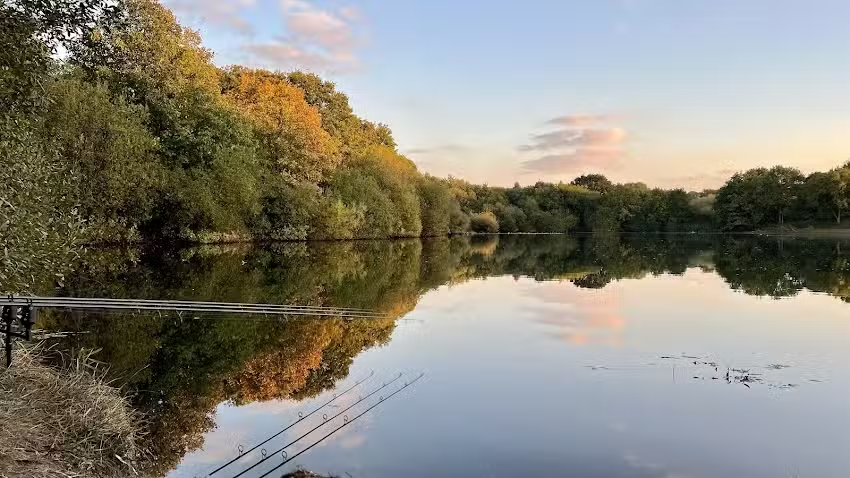
Eastmoor angling club
BackThe Eastmoor Angling Club stands as a dedicated hub for those passionate about angling in Wakefield, offering access to stretches of the River Calder that attract a variety of fish species. Formed by local enthusiasts keen to revive fishing traditions on former colliery land, the club emphasises community involvement through volunteer efforts that maintain and improve the waters. Anglers drawn to fishing clubs find here a non-profit setup where membership fees support enhancements like restocking and upkeep, ensuring sustainable fishing opportunities.
Club Origins and Community Focus
Re-launched in 2001 by founders including Ron Halliday, Bruce Woodcock, and David Land, the angling club aimed to bridge generations by promoting the sport across ages. Volunteers from the Eastmoor estate work tirelessly to clear banks, manage swims, and foster a welcoming atmosphere for newcomers and seasoned fishers alike. This grassroots approach has built a loyal base, with events like the Dave Land League and Presidents Shield matches adding competitive spirit that keeps members engaged year after year.
Available Fishing Waters
The club's primary asset lies in its control of the River Calder stretch from the train bridge to the blue bridge and beyond to Kirkthorpe weir, providing nearside pegs with platforms, including one adapted for disabled anglers. These spots yield perch, roach, rudd, dace, bleak, chub, bream, carp, eel, pike, and even seasonal trout, making it versatile for coarse fishing pursuits. Proximity to the Aire & Calder Navigation offers additional options for those seeking canal-style angling, while the surrounding washlands provide scenic backdrops without detracting from the focused fishing experience.
Platforms at 13 designated pegs allow comfortable sessions, with concrete banks near locks aiding access for various setups like poles or rods. However, the river's natural state means currents and depths vary, demanding respect for the environment and adherence to no-wading rules for safety. Seasonal closures from mid-March to mid-June protect spawning fish, a practice that underscores the club's commitment to long-term viability.
Membership Structure
Affordable entry points make it accessible, with adults over 18 paying a modest yearly fee while juniors under 18 join free, encouraging family participation and youth involvement in casas de pesca activities. This structure supports the non-profit model, directing funds solely to operational needs and fishery improvements rather than profit. Members receive cards essential for access, and the emphasis on Environment Agency rod licences ensures compliance.
Yet, obtaining membership can prove tricky for outsiders, as recent accounts note closed gates or unclear processes during visits, potentially frustrating eager newcomers. The committee holds discretion over approvals, and rule changes announced at AGMs keep standards high but require active engagement from members.
Strengths for Anglers
Positive feedback highlights the quality of waters, describing them as solid local options with good fish populations suited to match fishing and pleasure sessions. The inclusive vibe appeals to families, with quiet times ideal when schools are in session, allowing focused casting amid natural surroundings. Walks along the paths enhance outings, blending angling with leisurely strolls, and nearby pubs offer post-session respite without venturing far.
- Diverse species support varied tactics, from floatfishing roach to predator hunting pike.
- Volunteer-driven maintenance keeps pegs usable and stocks healthy.
- Competitions like annual leagues build camaraderie among club de pesca enthusiasts.
- Free junior membership lowers barriers for young talent.
Challenges and Drawbacks
Exclusivity poses a hurdle, as it's members-only with no day tickets available, limiting trials for visitors or casual fishers seeking spontaneous pesca deportiva days. Safety concerns on slippery banks and spate river conditions demand caution, with the club disclaiming liability for incidents. Dog walkers and cyclists along paths can interrupt concentration, particularly with pole use overhanging trails.
Litter control relies on individual responsibility, and improper parking risks blocking access, issues noted in rules that stress respect for shared spaces. While stocks impress, some stretches close seasonally, curtailing year-round access compared to commercial venues. Communication gaps, evident from queries about joining amid shut facilities, suggest room for better signage or online updates.
Fishing Experience Details
Anglers appreciate the platforms' stability for long sessions targeting bream shoals or chub in shallower runs, with unhooking mats and care kits mandated for larger catches like carp. The variety—from fast gravel areas to slower glides—caters to multiple methods, rewarding patience with specimens that include double-figure potentials in predator species. Local knowledge from matches proves invaluable, as pegs hold surprises like eels in deeper pools.
Natural challenges add thrill but test skills; variable depths require careful plumbing, and flood risks post-rain alter conditions swiftly. No fish removal policy preserves biomass, benefiting consistent catches over time. For lugares de pesca, the setup suits committed hobbyists more than one-offs, with disabled access enhancing inclusivity.
Community and Events
Matches such as the Dave Land League, won by Allan Vine in 2017, exemplify the competitive edge, drawing participants who value fair waters and organised scoring. The Presidents Shield similarly fosters rivalry, with past victors like Lee Haigh showcasing club talent. These events strengthen bonds, turning solitary angling into social pursuits within the angling society.
Promotion to young and old aligns with volunteer ethos, potentially hosting coaching though not explicitly detailed. Feedback praises family-friendly aspects, with land ample for extended walks complementing rods-down breaks. However, reliance on grants and dues means facilities remain basic, prioritising waters over luxuries like tackle shops.
Practical Considerations
Rules enforce fish return, waste disposal, and designated parking to sustain harmony, with bailiffs enforcing standards. Night fishing availability unclear, likely tied to premium status absent here, suiting day anglers best. The estate location integrates with local paths, but urban proximity brings occasional disturbances from passers-by.
For prospective members eyeing clubes de pesca, weighing exclusivity against dedicated waters is key. Strong fish variety and low costs shine for regulars, yet accessibility snags and seasonal limits temper appeal for all. Overall, it delivers authentic riverine angling rooted in community stewardship, ideal for those investing in membership for repeated visits.
Species and Tactics
Perch and pike lure predator fans with lures or deadbaits, while roach and bream respond to waggler or feeder rigs in margins. Chub and dace thrive in flows, best on trotting stickfloats, and carp demand patience with boilies or method feeders. Eels provide night-time quirks, though seasonal trout add fly-line excitement briefly.
Success hinges on timing; quieter weekdays evade crowds, maximising prime pegs. The club's restocking efforts bolster numbers, evident in match weights, but natural recruitment varies yearly. This dynamic keeps fishing venues engaging, rewarding adaptive anglers over rote approaches.
