Elworth Angling Society
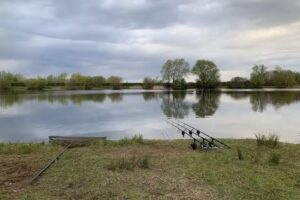
BackElworth Angling Society is a long‑standing fishing club offering members‑only access to still waters in the Sandbach area, with an emphasis on relaxed coarse fishing rather than commercial‑style day‑ticket angling.
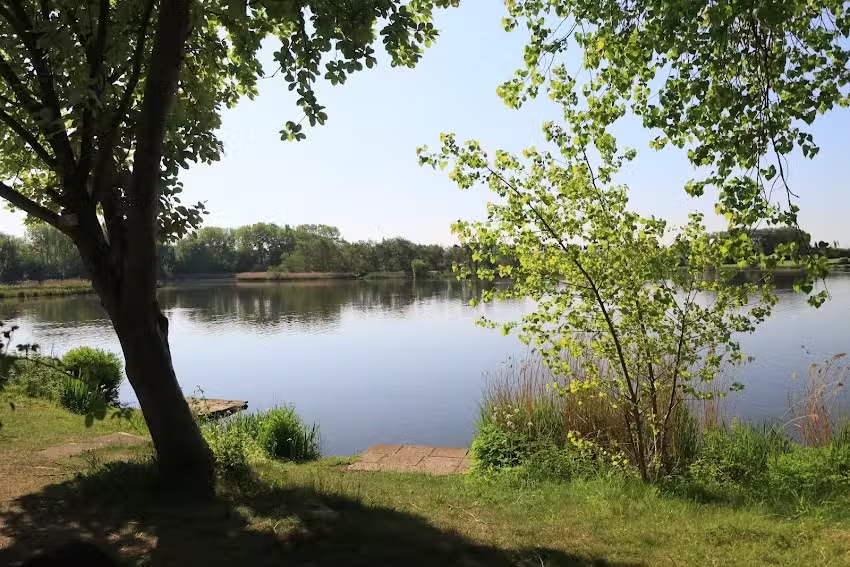
Anglers who join the society are generally looking for a quieter alternative to busy commercial venues, with the chance to target a mixture of species at their own pace. The waters are described as peaceful, with a more traditional club atmosphere where regulars tend to know each other and work parties help keep the banks in reasonable condition. This makes the society appealing to anyone who values tranquility and the social side of club membership as much as catching fish.
For coarse anglers, the key attraction is the opportunity to fish for a variety of species on well‑established club waters rather than heavily stocked day‑ticket pools. Members talk about relaxed sessions targeting carp, bream, roach and perch, with no pressure to bag up or fish to tight match rules. The club’s Facebook presence is used to share catches and water updates with existing members, reinforcing that it operates as a closed membership society rather than a walk‑in commercial fishery.
From a practical perspective, the location off Watch Lane makes the waters straightforward to reach by car, yet they are tucked away enough to feel sheltered from traffic and noise. The site is open to members around the clock, so those who prefer early‑morning sessions or quiet evening trips can usually find the banks relatively empty and pick a comfortable swim. There is step‑free access from the lane and a level approach in parts, which will help some anglers with limited mobility, although formal details about designated disabled pegs or paths are not widely publicised.
One positive frequently highlighted is the sense of community within the membership. The club uses its private online group to keep anglers informed about rule changes, work parties, bank maintenance and membership renewals. This kind of communication helps newcomers understand where they can fish, what is expected of them on the bank and how to stay within club rules and national regulations such as rod licences. Many anglers value this structure, as it tends to result in tidier banks, controlled access and fewer problems with litter or antisocial behaviour.
Like many traditional clubs, Elworth Angling Society expects members to act responsibly around land boundaries and public rights of way. There are clear expectations that anglers should respect fences, livestock and footpaths, and that they should not interfere with wildlife or the surrounding environment. Club bailiffs or committee members may challenge anyone they believe to be fishing without permission or ignoring club rules, which helps protect the waters but can feel strict to those unused to a membership‑based setup.
Feedback about behaviour around access and footpaths has not been universally positive. One older visitor reported a serious disagreement with individuals associated with the society while walking along what they believed to be a public footpath close to the water, alleging that they were confronted aggressively and wrongly told they were trespassing. Although this is a single account set against other very positive comments, it suggests that boundaries between club water and public right of way are not always clearly understood by everyone using the area. Potential visitors who are not members should be aware that the banks are controlled by the society and that non‑angling access may be sensitive in places.
In contrast to this negative experience, other anglers describe Elworth Angling Society as a fantastic, friendly angling club with good fishing and a welcoming feel for members who follow the rules. Some long‑term members praise the society for offering consistent sport year after year, and they appreciate that the waters are not overrun because access is restricted to those who have joined. This range of feedback highlights how experiences can differ sharply depending on whether someone is an established member fishing within the rules or a passer‑by encountering the water for the first time.
For anyone specifically interested in coarse fishing, the society’s waters are used mainly for pleasure sessions rather than heavily promoted competitions, which will suit anglers who prefer a steady day on the bank. Catches can be varied, with mixed bags of silver fish alongside carp and other species, and the sheltered nature of the pools means they can produce in a range of conditions. Anglers who enjoy refining rigs and baits to tempt different species over the course of a session are likely to feel at home here.
Prospective members looking for a home water for coarse fishing should, however, factor in that information about stock levels, record fish and specific peg features is not widely advertised to the general public. Unlike some commercial venues that list exact weights and species in each lake, Elworth Angling Society still relies heavily on word of mouth, member reports and internal communication. This can be appealing for anglers who enjoy a more traditional, slightly “unknown” feel, but less so for those who like detailed catch statistics before committing to membership.
The society does not operate as a full‑service commercial complex; there is no on‑site tackle shop, café or hire of rods and nets advertised to non‑members. This means that anglers need to arrive self‑sufficient, with their own equipment, bait and refreshments. Nearby towns and petrol stations can usually supply bait and provisions, but there is no indication of dedicated on‑site facilities such as toilets or a clubhouse that are open to all members throughout the day.
Anglers who like to combine their session with social media updates will find that the club’s private online community tends to focus on members‑only information rather than public promotion. Updates cover work parties, bank maintenance and internal matters rather than marketing‑style posts aimed at attracting day‑ticket anglers. This reflects the society’s focus on being a stable, membership‑based organisation rather than a venue that relies on passing trade.
In terms of how it compares with other local options, Elworth Angling Society sits somewhere between small informal ponds and larger commercial complexes. Fields Farm Fisheries, for example, is a nearby coarse fishery with multiple spring‑fed pools, clear day‑ticket pricing and a strong focus on all‑age, family‑friendly angling, including well publicised pegs and stock information. That kind of operation is ideal for casual visitors and those who want to pay per day, whereas Elworth Angling Society targets anglers who prefer a club structure, a defined membership and a quieter environment shared with a regular group of people.
For visiting coarse anglers who want straightforward access without committing to a club, a commercial venue with open day tickets may be more convenient. However, those who live locally and envisage regular sessions may find that joining Elworth Angling Society gives them more consistent access to water, especially at peak times when day‑ticket venues can become crowded. The choice therefore depends largely on how often someone plans to fish and whether they prefer the structure of a club or the flexibility of paying per visit.
Safety and welfare expectations are in line with typical UK angling club standards. Members are reminded to hold a valid rod licence, to fish with a sensible number of rods and to respect fish welfare by using appropriate landing nets, unhooking mats and barbless or micro‑barbed hooks where required. Rules also tend to prohibit damaging vegetation, leaving litter or using inappropriate methods such as gaffs or excessive live‑baiting, mirroring best practice across many coarse fishing clubs.
One aspect that potential members should consider is how the society balances enforcement with customer experience. While firm rule enforcement helps protect the fishery from poaching and damage, it can sometimes feel strict or abrupt to newcomers who are not yet familiar with local expectations, especially around access routes and where members may challenge walkers close to the water. Clear signage about public rights of way, private banks and permitted access points could help avoid misunderstandings and ensure that both anglers and walkers feel comfortable sharing the surrounding countryside.
From an angling‑focused point of view, Elworth Angling Society will appeal most to those who want a steady, traditional club environment centred on coarse fishing lakes rather than a highly commercialised complex. The waters provide space for members to develop their skills over time, learning how each peg fishes through the seasons and adapting methods accordingly. This long‑term relationship with a set of waters is something many club anglers value and is a key part of what Elworth offers.
However, anglers who are used to the extensive facilities and detailed fishery information of modern commercials may feel that the society is quite low‑key, with limited public detail and fewer on‑site conveniences. Booking, membership details and specific rules are handled more through the internal community, which suits those already committed but makes it harder for a completely new angler to assess the offer at a glance.
Overall, Elworth Angling Society provides a quiet, club‑based setting for fishing lakes where members can pursue coarse fishing in a more traditional manner, supported by a small but active community. The strengths lie in its calm atmosphere, regular access and sense of shared responsibility for the banks, while the drawbacks relate mainly to limited public information, modest facilities and occasional reports of confrontational encounters around access and footpaths. Anglers considering joining will benefit from weighing up their preference for a private club environment against the convenience and facilities of nearby day‑ticket fisheries before deciding whether this society matches the way they like to fish.