Fairlop Water Angling Lake
BackFairlop Water Angling Lake is a dedicated coarse fishery within Fairlop Waters Country Park, offering anglers a focused environment for targeting specimen fish while still feeling part of a wider leisure setting. The fishery is structured around two distinct waters, giving visitors a choice between more accessible day-ticket angling and a demanding members-only water that attracts highly committed carp anglers. This balance between accessibility and challenge is one of its main strengths, appealing both to newcomers who want somewhere straightforward to fish and to seasoned specialists who actively seek out tough venues.
The angling at Fairlop is centred on traditional coarse and carp fishing, with a strong reputation for quality fish and disciplined fish care. The day-ticket East Lake is comparatively modest in size at around three and a half acres, but it holds a large head of carp as well as tench and bream, which suits anglers who want visible action and regular bites. By contrast, the much larger Sailing Lake is reserved for members and provides a serious test, with big carp, roach, bream, perch and pike, including specimens reported above thirty pounds. For anglers specifically interested in carp fishing, this dual-water layout means there is space both for building confidence on a well-stocked water and for stepping up to a demanding big-fish venue.
Fish stocks are one of the most frequently praised aspects of Fairlop Water Angling Lake, particularly on the larger Sailing Lake where average carp weights in the mid-twenties and top fish approaching the upper thirties have been highlighted by specialist anglers. The East Lake, while smaller, is stocked to provide regular sport with carp plus tench and bream reaching double figures, which can be very appealing for pleasure anglers looking for a mixed bag rather than purely specimen hunting. This combination makes the site relevant not only for dedicated coarse fishing enthusiasts but also for those experimenting with different styles, from margin fishing for bream and tench to more technical long-range carping.
A notable positive for visiting anglers is the emphasis on accessibility and infrastructure around the fishery. The East Lake includes a designated disabled angling platform with wheelchair access, reflecting a conscious effort to make fishing lakes usable for anglers with reduced mobility. The surroundings benefit from established paths, open banks and a generally well-kept environment, which many visitors mention as clean, quiet and suitable for relaxed days by the water. Families and dog walkers are common in the wider country park, and some anglers appreciate being able to combine a fishing trip with a social or family day out, rather than visiting an isolated fishery where angling is the only focus.
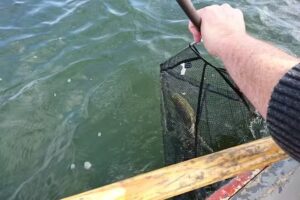
Fairlop Water Angling Lake operates with a structured set of rules designed to protect both anglers and fish stocks, and these are detailed and enforced with some rigour. Anglers must hold a valid Environment Agency rod licence when obtaining day or season tickets, and there are clear limits on the number of rods allowed: up to three on the main lake and two on the East Lake. Rods must not be left unattended, barbless or crushed-barb hooks are compulsory, and back leads are required on both lakes, all measures that aim to reduce line tangles, minimise disturbance and protect fish from mouth damage. Unhooking mats and suitably large landing nets are mandatory, with explicit rules that carp and tench must be returned to the water immediately and never kept in keepnets or sacks. These requirements can feel strict for casual anglers, but they underline that this is a serious fishing venue with long-term stock welfare in mind.
The management framework has evolved, with recent changes meaning that Premier Fisheries has taken over the angling operations at Fairlop Waters. For regular anglers, this can be positive, as a specialist operator often brings clearer communication, structured memberships and potentially more investment into stock and facilities, though it may also lead to adjustments in ticket structures and rules that some returning visitors need to adapt to. Membership is required for the main Sailing Lake, including night fishing, which suits committed carp anglers who want longer sessions in pursuit of a small number of quality fish. Shorter day sessions on the East Lake remain the more realistic option for those who prefer straightforward day ticket fishing without navigating membership requirements.
Fairlop’s character as a carp venue is widely acknowledged among experienced anglers, especially in relation to the big Sailing Lake. The water is often described as a large, windswept pit where location is absolutely critical and where even skilled carp anglers may only expect a single fish per trip when targeting the better specimens. This low but realistic catch rate reflects the challenging nature of the venue, rather than poor stock, and many anglers view this difficulty as part of the appeal: it rewards effort, watercraft and persistence rather than simply relying on heavy baiting. Tactics such as staying mobile, travelling light and constantly scanning for fish movement play a major role in success, and the venue is regularly recommended for those who enjoy problem-solving on tougher waters instead of visiting heavily stocked commercial pools.
In terms of rigs and approaches, local and visiting carp anglers often highlight dependable modern presentations and quality baits. Popular setups for the Sailing Lake include Ronnie-style rigs combined with proven carp baits such as cell-type boilies and white pop-ups, giving strong hook-holds while still complying with the fishery’s barbless-hook rules. The size and open nature of the lake makes back leads particularly important for keeping lines pinned down, which aligns with the fishery’s rules requiring their use and helps reduce interference from sailing activities when boats are on the water. For those targeting tench and bream on the East Lake, more conventional coarse fishing tackle—such as feeder rods, method feeders and soft groundbait or pellet mixes—remains effective, especially when fished over light beds of bait near features.
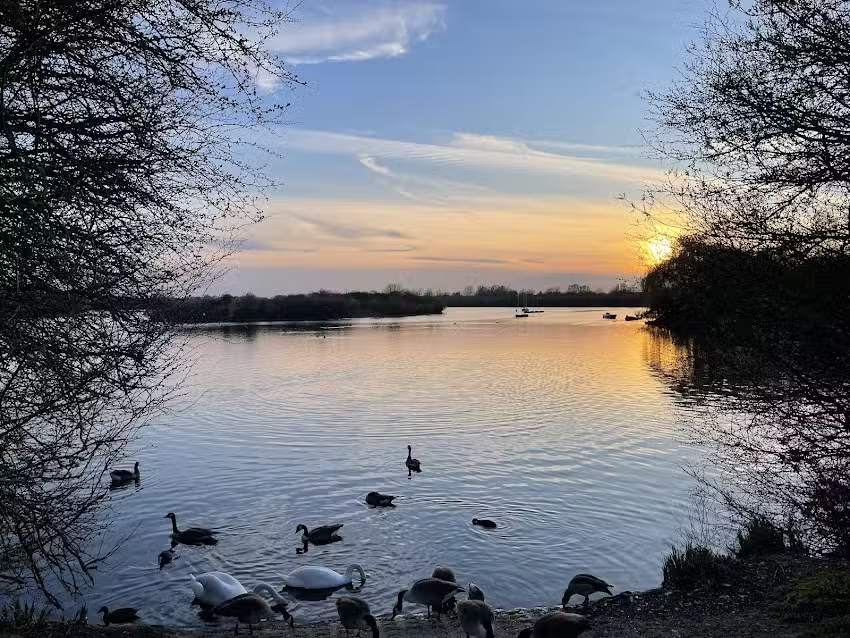
The wider park setting around Fairlop Water Angling Lake brings a number of advantages for visitors, though it can introduce some compromises for dedicated anglers. On the positive side, the country park atmosphere provides walking routes, picnic areas and open space, which make the location attractive to families and mixed groups where not everyone is fishing. Many visitors comment on the pleasant surroundings, blue water and opportunities for relaxed strolls, with wildlife such as ducks, geese and swans commonly sighted around the lakes. However, this popularity also means there may be periods of increased noise and foot traffic, and anglers who prefer a secluded, anglers-only setting may find some swims less tranquil at peak times.
Ancillary facilities around the lakes, including food and drink options and activity areas like inflatable water features, are appreciated by many visitors to the park more generally, even if they are not part of the angling operation itself. Having refreshments nearby can make longer sessions more comfortable, especially for those who do not wish to bring extensive catering equipment or for families combining fishing trips with other leisure activities. On the other hand, anglers seeking a purely traditional fishery experience may view the presence of non-angling attractions, busy car parks or seasonal water activities as distractions that occasionally intrude on the quiet focus associated with specimen hunting. The need to pay for parking via mobile devices, as noted by some visitors, can also be an inconvenience for those who prefer simpler arrangements.
From a fish-care and safety perspective, Fairlop Water Angling Lake is notably firm about conduct on the banks and around the water. Anglers are expected to avoid leaving rods unattended, to limit the duration of their stay in any one swim, and to respect boundaries such as not casting when boats are within a set distance, all of which are measures aimed at preventing accidents and reducing conflict with other water users. Restrictions on bonfires, barbecues and excessive alcohol consumption further underline that this is a managed fishing lake rather than an informal waterside picnic spot. For most anglers, these rules are reassuring, as they help maintain order and protect both people and fish, although a minority may find the regulations prescriptive compared with more relaxed venues.
Visitor feedback consistently highlights the general cleanliness and calm atmosphere in and around the angling areas, with many describing the place as quiet, tidy and suitable for relaxing walks alongside fishing sessions. Positive comments often reference the clear water, attractive banks and the sense of an open landscape rather than a cramped, heavily commercialised pool, which aligns well with the expectations of anglers who prefer a more natural backdrop. Some reviewers also mention that the park is a good escape from busy city life, suggesting that Fairlop has become a regular choice for those who need accessible green space without travelling far. Although not every visitor is there specifically to fish, the steady stream of favourable opinions about the setting supports the impression that the angling lakes benefit from being part of a broader, well-used country park.
There are, however, several aspects that prospective anglers should consider when deciding whether Fairlop Water Angling Lake is right for them. Firstly, the main Sailing Lake is a demanding water, and those new to carp angling may find the low expected catch rate challenging unless they are prepared to invest time learning the water and refining their approach. Secondly, the popularity of the wider park can mean that bankside peace and quiet varies; at busier times, more patient anglers will cope better with the presence of walkers, dogs and other activities around the lakes. Thirdly, the strong rule set—while beneficial for fish welfare—requires anglers to arrive prepared with the correct gear such as suitable nets, mats and back leads, which could be a barrier for very casual or occasional visitors.
For potential customers weighing up their options, Fairlop Water Angling Lake presents itself as a structured, moderately challenging destination with a clear emphasis on responsible angling and quality fish. Those who will gain the most are anglers who value well-managed rules, robust stock of carp and other coarse species, and the opportunity to fish in a setting that balances natural-feeling bankside scenery with the convenience of wider park facilities. The fishery’s split between day-ticket and members-only waters, combined with its strong stance on fish care and safety, positions it as an option for both progressing anglers seeking tougher waters and more casual visitors looking for a pleasant fishing day with realistic expectations about the level of challenge they may encounter.