Farnham Angling Society
BackFarnham Angling Society is a long‑established members’ club that appeals to anglers who value access to a wide variety of waters rather than a single commercial fishery. The society operates as a non‑profit organisation run by volunteers, and this ethos shapes both its strengths and its weaknesses for potential members. Those looking for affordable access to multiple venues for carp fishing and other coarse species will find the offer attractive, while anyone expecting the flexibility of a day‑ticket fishing tackle shop or a purely commercial venue may feel constrained by some of the rules and the popularity of the waters.
One of the most frequently praised aspects of Farnham Angling Society is the range of fisheries under its control. Members highlight well maintained lakes and rivers, many of which are described as quiet, picturesque and carefully managed for long‑term sport. For an angler who wants regular sessions targeting specimen carp, tench, bream or predator species, having a portfolio of waters instead of relying on a single day‑ticket lake can be a major advantage. Rather than buying individual tickets every time, a membership gives ongoing access to numerous venues, which is especially appealing for those who fish weekly or throughout the year.
The club’s approach to maintenance is another positive point raised by many anglers. Paths, swims and access points are generally kept in good order, with work parties and bailiffs helping to ensure that banks remain safe and usable. This can make a real difference when planning longer sessions with more equipment such as multiple fishing rods, bivvies and barrows, or when taking children to the bank. Anglers often value the sense that fisheries are looked after by people who fish there themselves and understand what makes a venue practical, from car parking through to peg layout and basic facilities.
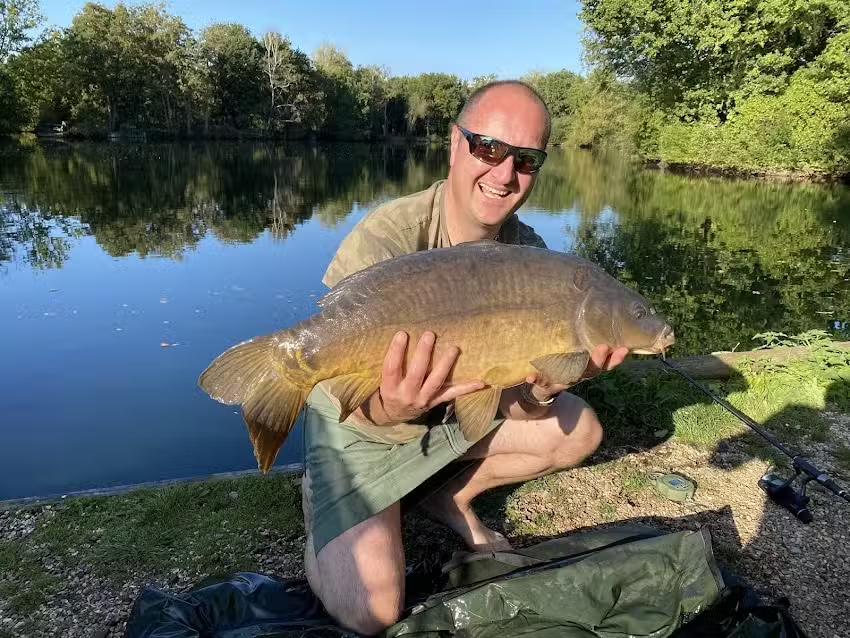
Stocking levels are also mentioned favourably, with reports of well‑stocked waters that still retain a natural feel. Carp anglers in particular refer to good numbers of fish of various sizes, meaning that newcomers stand a reasonable chance of catching, while more experienced members can set their sights on larger specimens. For pleasure anglers who use lighter fishing reels and float tactics, the range of species and the opportunity for steady sport on club lakes and rivers can be a real draw, especially when compared with small, heavily pressured day‑ticket ponds.
Farnham Angling Society presents itself as a family‑friendly club, and some members clearly agree with this description. Anglers have commented that the atmosphere on many of the waters is relaxed, with a visible effort to keep venues suitable for younger anglers and families. For parents or grandparents introducing children to coarse fishing, a setting with sensible rules, a degree of supervision and a focus on behaviour by the water can feel reassuring. The emphasis on affordability also supports this family angle, making it more realistic for households to buy memberships rather than paying multiple day‑ticket fees over a season.
The society’s slogan of offering affordable fishing is often reflected in feedback about value for money. When compared with private syndicates or commercial lakes that charge significant fees for limited access, the membership cost can look modest—particularly considering how many waters are available under the same card. For anglers who fish regularly and are prepared to adapt to club rules and busy periods, the cost per session can work out very favourably. This makes the club interesting for those who invest in quality carp rods, shelters and luggage but still want to keep ongoing fishing costs under control.
However, the club’s popularity brings challenges that potential members should weigh carefully. A recurring concern voiced by some anglers is that there are simply too many members for the number of swims available on certain waters. On busy weekends, bank holidays or during peak carp seasons, it can be difficult to find a peg, especially on the better known lakes. For anglers with limited free time who want to arrive and start fishing without a long search, the pressure on swims can be frustrating. This is particularly relevant for those planning longer overnight sessions with full carp fishing setups, where moving repeatedly between pegs is not practical.
The management style and presence of bailiffs is another area where opinions are sharply divided. On the positive side, an active bailiff team helps to protect the fisheries from littering, poaching and antisocial behaviour. Their presence contributes to the long‑term health of the waters and the fish, and many rule‑abiding members appreciate seeing the club’s standards enforced. Strict control also helps to maintain a safe environment, which is important when anglers bring expensive fishing tackle such as high‑end reels, alarms and shelters to the bank.
On the other hand, some former members feel that interactions with bailiffs can be unhelpful or overly strict. Reports of rude or unsympathetic attitudes underline that not every encounter has been positive. Certain anglers describe the club as tightly policed, which may not suit those who prefer a more relaxed approach. The ban on alcohol is one example: while it aligns with the family‑friendly, safety‑conscious ethos, anglers who are used to enjoying a few drinks during long sessions can see this as overly restrictive. The difference in expectations between those who value a disciplined environment and those who view fishing as a more informal leisure activity is a key factor to consider.
Club culture is another mixed point. Supporters of Farnham Angling Society describe it as a sociable place with a committee and membership base that invest time in keeping waters productive. They appreciate that the society is run by anglers for anglers, with work parties, ongoing improvements and opportunities to get involved. For newcomers willing to participate and respect the established ways of working, this structure can foster a sense of belonging that goes beyond what a simple day‑ticket venue offers.
By contrast, a number of comments suggest that the club can feel cliquey to some people. Anglers who do not immediately fit in or who fish less frequently sometimes feel on the outside of established groups. This perception can be amplified when rules are enforced firmly or when busy lakes mean that regulars occupy favoured swims. For potential members, it is worth being realistic: those who join, attend meetings or work parties and take time to meet other anglers are more likely to feel at home than those who treat the membership purely as an anonymous access card.
The rules themselves are fairly typical of a serious coarse fishing club but may still surprise anglers who are more used to casual day‑ticket venues. Expectations around barbless hooks, unhooking mats, use of landing nets and fish care equipment reflect a commitment to protecting stocks. For dedicated carp anglers who already own quality landing nets, weigh slings and unhooking mats, these measures are standard practice and reassuring. Those who have only fished small local ponds with minimal equipment may find that joining the society also means investing in the right fish‑care gear and learning a more responsible approach to handling catches.
Another advantage for many members is the relative quietness of some of the waters, especially away from peak times. During midweek sessions or outside the height of summer, several lakes and stretches of river are reported to be peaceful, offering a more traditional angling experience. For specimen hunters setting up with long‑range carp rods and bite alarms or for float anglers travelling light, the ability to choose between more pressured venues and quieter back‑waters can add variety to a season. This flexibility is something a single commercial complex may struggle to match.
The society also benefits from having an established online presence and clear information for existing and prospective members. While specific details such as contact numbers and prices are handled through official channels, anglers can easily find updates about waters, rules and membership processes. This level of communication gives potential members a reasonable picture of what to expect before committing and allows current members to keep track of any changes, stocking updates or temporary closures.
For those considering joining, it can be helpful to think about personal fishing style and expectations. Anglers who enjoy structured club life, appreciate well‑kept waters, and prioritise fish welfare and long‑term access over absolute freedom will often find Farnham Angling Society a strong fit. Regular anglers who already own appropriate carp fishing and coarse gear, are prepared to work around busy periods and respect a detailed rulebook are likely to feel that they receive excellent value and a good standard of sport across a range of venues.
By contrast, anyone who fishes only occasionally, dislikes firm rule enforcement or expects to turn up at peak times and instantly find a prime swim may be better suited to smaller day‑ticket lakes or commercial venues. The complaints about crowded banks, perceived cliques and strict bailiffing show that this is not the ideal environment for everyone. The absence of alcohol and the emphasis on behaviour, while positive for some, will deter others who see fishing as a more relaxed social occasion.
Overall, Farnham Angling Society offers a blend of affordability, variety and structure that will appeal to many coarse and carp fishing enthusiasts. Its extensive waters, emphasis on maintenance and stocking, and family‑orientated rules make it a serious option for anglers willing to commit to club life. At the same time, the high membership levels, strong rule enforcement and occasional reports of unwelcoming attitudes are real considerations that potential members should acknowledge. Taking these factors into account will help anglers decide whether the society matches their expectations for comfort, flexibility and the style of fishing tackle and methods they most enjoy using.