Fly Fishing with RJP
BackFly Fishing with RJP is a small, highly personalised fly fishing instruction and guiding service run from a residential address, which gives it a more relaxed and tailored feel than a large commercial school. Rather than operating as a traditional tackle shop, it focuses on one‑to‑one or small‑group tuition on local rivers and stillwaters, helping anglers get more out of their time on the water. Clients who are interested in improving their casting, understanding watercraft, or simply enjoying a structured session find that this set‑up offers close attention and steady feedback throughout the day.
The business centres on classic game angling rather than general coarse or sea fishing, so it appeals especially to those looking to refine their skills with a fly rod. While you will not find a wall full of fly fishing rods and spinning reels to buy on site, you are likely to benefit from well‑chosen equipment during instruction, with the opportunity to handle properly balanced outfits. For many anglers, especially beginners, having an instructor supply appropriate fly reels, floating lines and leader material is more useful than sifting through racks of gear. The atmosphere tends to be informal and friendly, which can be reassuring if you are new to the sport.
One of the strongest aspects repeatedly highlighted by visitors is the standard of tuition. Sessions start with essential preparation, covering tackle set‑up, safety and basic casting principles before heading out to the river. On the water, instruction typically moves beyond simple overhead casts to include line control, mending, roll casting and the kind of small corrections that separate casual casting from effective presentation. Those who attend often comment that the guidance is detailed yet easy to follow, and that they come away with several concrete adjustments that immediately improve their casting and strike rate.
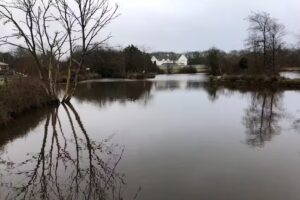
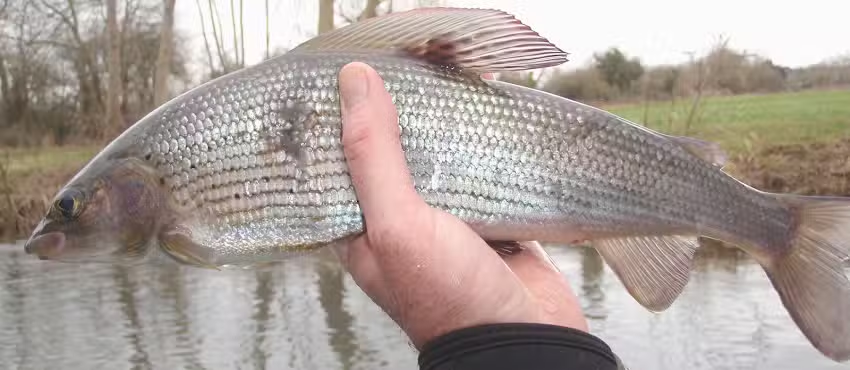
Another advantage of a service like Fly Fishing with RJP is the focus on real fishing situations rather than practising only on a lawn or casting platform. Instruction often takes place on a local river, where you can learn how to read currents, locate fish‑holding lies and adapt tactics to different flows and depths. For many customers this is more valuable than time spent in a classroom, because they see how theory translates into actual bites and hooked fish. It also means that even a half‑day session can combine structured learning with the genuine excitement of fishing for wild trout or grayling.
Compared with a full retail fishing tackle shop, there are obvious limitations. You will not be able to browse aisles of fishing rods, baitcasting reels, telescopic poles, fishing lures and accessories, nor stock up on monofilament line, braided line, hooks and terminal tackle. Anglers who want a one‑stop shop for carp fishing tackle, sea fishing gear or boat fishing accessories may need to visit a dedicated store or order from an online retailer. However, for those who already own basic gear, or prefer to seek advice first and purchase later, the lack of retail clutter can be an advantage, keeping the focus firmly on learning technique.
The personal nature of the operation means that availability can be limited, particularly during prime months for river fly fishing. Unlike a larger commercial school with several instructors on the books, bookings here are likely to depend on the schedule of an individual guide. This can make it harder to secure last‑minute dates for a specific day, especially if you have to align with travel plans or holidays. Prospective clients should be prepared to plan ahead and be flexible with times, particularly for weekend sessions in late spring and early summer when demand is naturally higher.
Where this operation compares favourably with bigger centres is in the level of individual attention you receive. With group sizes kept deliberately small, you can expect the instructor to monitor your casting closely, pick up on bad habits and adapt drills to your specific needs. For example, rather than delivering a generic talk on flies, the guide may look at your existing fly box and suggest patterns that better match local hatches. A new angler might spend extra time on the basics of knot tying and leader construction, while a more experienced rod could work on double hauling or presenting small nymphs without drag. This flexibility is difficult to achieve in larger groups.
The style of coaching tends to suit adults and older juniors who are genuinely interested in improving, rather than large family parties seeking a quick activity. There is an emphasis on building good habits from the outset: safe casting, thoughtful wading and an understanding of how to handle fish responsibly. Anglers who respond well to patient, methodical instruction are likely to get the most from their time. Those who prefer a more casual day with minimal technical focus might find the structure a little intensive, as the aim is not simply to catch fish but to leave you with skills you can use on future trips.
In terms of the wider fly fishing experience, having a knowledgeable instructor on hand can save years of trial and error. Correcting a loop that consistently tails, learning how to adjust casting stroke for wind, or understanding how to change depth with shot and indicator when nymphing can all transform results. For many people who have only dabbled in fly fishing, a focused half‑day session can mark a turning point where previously frustrating outings become genuinely productive. This practical benefit often matters more than buying yet another spinning rod, carp rod or high‑end fishing reel.
On the other hand, the absence of a broader retail environment means you cannot immediately purchase every item that is recommended during your session. While some clients appreciate being able to try different rods and lines before committing to a purchase elsewhere, others may prefer the convenience of receiving instruction and then buying a full outfit on the spot. In this respect, a combined tuition‑and‑retail venue or a large fishing tackle shop with in‑house instructors could be more convenient for those wanting everything under one roof. Here, the model is clearly tilted towards skills and experience rather than on‑site sales.
Value for money is another important factor for potential customers. A half‑day or full‑day of one‑to‑one tuition inevitably costs more than a short, group‑based session, but the time you spend is entirely focused on your progress. When you consider the cumulative cost of unsuccessful trips, lost flies, and poorly chosen gear, many anglers feel that investing in expert guidance early on is sensible. Still, budget‑conscious visitors who are mainly looking for affordable fishing equipment deals or discounts on sea fishing rods, coarse fishing gear or carp rigs will not find that side of things here; an online shop specialising in fishing tackle would better serve those needs.
Customer feedback that is publicly visible paints a positive picture of the instruction itself. Past visitors describe the guide as thorough, safety‑conscious and encouraging, with preparation at the start of the day followed by clear explanation and hands‑on help once on the river. Several comments mention useful tips that continue to pay off in later sessions on their own water, which suggests that techniques are taught in a way that anglers can remember and apply. However, the number of publicly posted reviews is currently small, so while the tone is enthusiastic, prospective clients should look at this as an indication of quality rather than a statistically robust sample.
From the perspective of a prospective customer using a directory to compare services, Fly Fishing with RJP stands out as a specialist provider of tuition rather than a conventional retail outlet. Its strengths lie in carefully structured coaching, an emphasis on practical river skills and a setting that keeps distractions to a minimum. Limitations include the lack of a full fishing tackle range, fewer options for last‑minute bookings and relatively limited public feedback compared to large, long‑established shops. Anglers should therefore think about their priorities: if the aim is to gain confidence with a fly rod, learn how to approach moving water and pick up techniques that will serve for years, a session here is worth serious consideration; if the main aim is to browse racks of fishing rods, compare brands of baitcasting reels or pick up a wide selection of lures and accessories, a dedicated tackle shop or online retailer will be more appropriate.
Overall, this is a business shaped by the experience and style of an individual instructor rather than by retail targets. For many anglers, particularly those keen to refine their technique on rivers, that is a major advantage. The service provides focused guidance, gives you time on genuine fishable water, and aims to send you away with skills that make future trips more rewarding. At the same time, understanding its scope and limitations – no aisles of carp fishing tackle, no stacked displays of fishing lures, and no extended team of guides – will help potential clients judge whether it matches what they are looking for from a day dedicated to fly fishing.