
flyfishingsussex.com
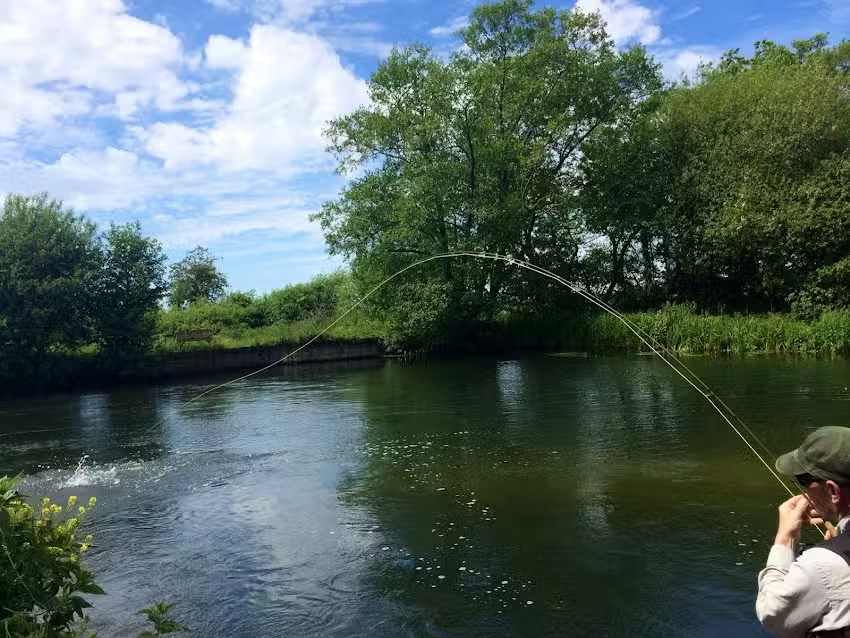
BackFly Fishing Sussex stands as a dedicated operation run by Howard Dodsley, focusing on personalised instruction for those keen to master the art of fly fishing. Operating directly from the banks of the River Adur estuary, it offers hands-on sessions that cater to novices and those seeking to refine their skills, providing all necessary equipment to eliminate upfront costs for beginners. Howard’s lifelong dedication to angling, sparked in childhood, shapes the core of this service, where participants receive coaching on casting, fly selection, and reading water conditions without needing prior gear or permits.
Instructional Approach
The sessions emphasise practical learning, with Howard demonstrating techniques drawn from decades of experience across global waters, from Scottish salmon rivers to Indian mahseer streams. Participants often note how his clear explanations demystify complex elements like line control and fly presentation, allowing quick progress even for first-timers. High-quality, brand-new rods, reels, and lines ensure smooth handling, boosting confidence during initial casts.
Customisation marks a strength here; lessons adapt to individual paces, incorporating humour and patience to maintain engagement. Feedback highlights instances where complete beginners hooked fish after mere hours, crediting Howard’s knack for spotting and correcting personal flaws in form. This tailored method contrasts with generic group classes, offering undivided attention that accelerates skill acquisition.
Target Species and Seasons
Fly fishing houses like this one thrive by exploiting the River Adur’s diversity, where warmer months from late April draw bass, mullet, mackerel, shad, and sea trout into the estuary for breeding and feeding. Howard targets these with imitative flies for shrimp, worms, and baitfish, extending beyond trout to carp and coastal species using lures mimicking natural prey. Such versatility appeals to anglers desiring varied catches rather than repetitive trout pursuits.
Peak activity aligns with rising water temperatures until October, when tides bring sporty fish close to shore. Home-tied flies add authenticity, with successes reported on surface patterns during hatches or subsurface nymphs in currents. Yet, reliance on tidal patterns means inconsistent results outside prime windows, potentially frustrating those chasing year-round action.
Equipment Provision
No need for personal investment upfront; sessions supply immaculate tackle, from balanced outfits to leaders suited for estuary work. Learners appreciate testing professional setups, which reveal how quality gear enhances accuracy and feel. Post-lesson, some purchase kits directly, praising their durability and suitability for solo outings.
This convenience lowers barriers for trial, but extended use might highlight maintenance needs, as saltwater demands thorough rinsing—advice Howard provides but requires discipline from users. Compared to self-equipped ventures, it ensures optimal performance from the start.
Experiences from Participants
Accounts portray sessions as relaxed yet productive, blending instruction with actual fishing amid laughter and shared triumphs. One group celebrated a birthday with surprise coaching, emerging with techniques for future independence. Others, including siblings and novices, lauded the infectious enthusiasm that turned apprehension into eagerness.
- Beginners master basics rapidly, often casting proficiently by session end.
- Personal anecdotes reveal fish landed despite wind or inexperience.
- Follow-up messages show sustained interest, with plans for club joins or further trips.
However, limited feedback volume raises questions on broader appeal; while glowing, the scant reviews suggest niche reach rather than widespread testing. Potential clients weigh this against vivid positives from those who attended.
Expertise and Credentials
Howard holds Level 2 game angling coach status, registered with the Angling Trust, and belongs to the Sussex Fly Dressers Guild plus Ouse and River Adur Trust. His international pursuits—from British Columbia trout to Thai jungle fish—inform local tactics, making lessons rich with real-world insights. Fly-tying prowess equips sessions with bespoke patterns for Adur conditions.
This depth fosters trust, as participants feel guided by proven authority. Still, solo operation implies dependency on one instructor; availability hinges on his schedule, possibly limiting slots during high demand. No assistant coverage means rescheduling risks if conflicts arise.
Challenges and Limitations
Weather proves a notable drawback; blustery days challenge novices, though Howard adapts, results vary with conditions. Estuary fishing demands tidal awareness, which might overwhelm absolute starters without prior briefing. Small participant numbers keep interactions intimate but cap scalability for groups.
Few documented drawbacks surface, yet low review count hints at underutilisation or selective sharing. External factors like river access or environmental changes could impact consistency, urging clients to check recent updates. Compared to established fly fishing schools, visibility lags, potentially deterring cautious newcomers.
Progression Opportunities
Most learners grasp casting sufficiently for independent fishing after one three-hour slot, a testament to efficient teaching. Encouragement extends to club integration or advanced pursuits, with some pursuing boat trips post-lesson. Gear sales facilitate continuity, bridging guided to self-reliant angling.
This pathway suits hobbyists eyeing long-term engagement, yet those needing structured progression might seek supplementary clubs. Emphasis on estuary species diversifies from reservoir trout norms, appealing to coastal enthusiasts.
Operational Realities
Running seven days weekly positions it accessibly, with wheelchair-friendly entry broadening appeal. Proximity to the water enables seamless transitions from theory to practice. Nonetheless, as a personal venture, it lacks facilities of larger outfits—no on-site shop or amenities beyond essentials.
Feedback underscores value in personalised warmth over infrastructure, prioritising experience quality. Clients valuing informality find alignment, while preference for commercial polish might prompt alternatives.
Species-Specific Tactics
Bass respond to poppers and streamers during floods, mullet to worm imitations along margins. Sea trout sip flies in evenings, echoing Howard’s formative Barcombe memories. Carp fall to beetle patterns on stillwaters, showcasing fly versatility beyond game fish.
Such specifics equip anglers for Sussex waters, but success ties to timing—missed tides yield slow days. Knowledgeable guidance mitigates this, though patience remains key for sporadic rises.
Community Ties
Affiliations support conservation, aligning with ethical angling. Sharing passion mirrors family roots, fostering community through referrals. Limited online presence tempers discoverability, relying on word-of-mouth for growth.
For prospective clients, this authenticity weighs against marketing polish. Those drawn to grassroots operations gain authentic entry into fly fishing centres, tempered by realistic expectations on scale.