Glensherup Fishery
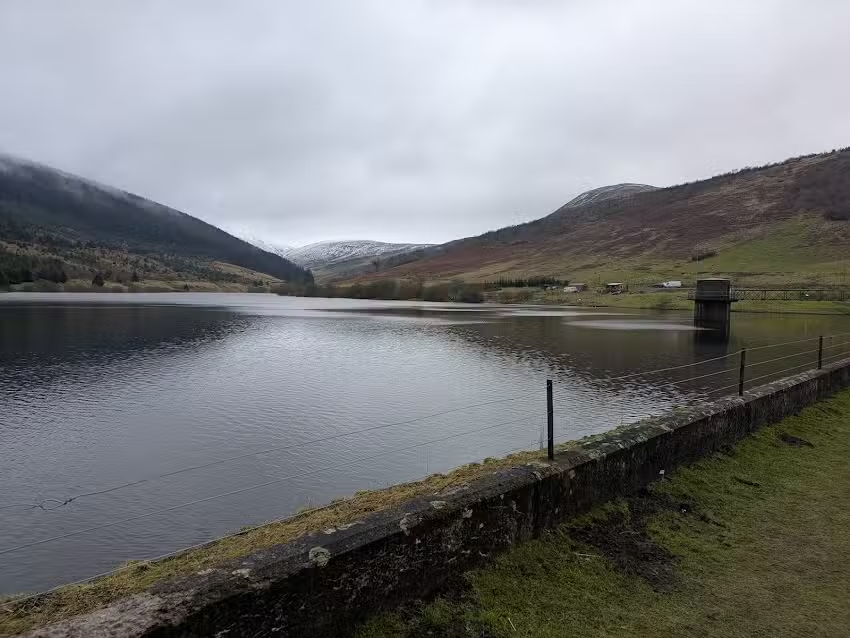
BackGlensherup Fishery is a small, characterful trout water that appeals to anglers who value genuine hospitality, clear rules and relaxed, traditional fly fishing over polished commercialism. Set around a compact reservoir, it focuses on straightforward bank and boat angling with an emphasis on trout quality, calm surroundings and personal contact with the fishery team rather than on-volume tourism. For someone looking for a focused day targeting trout rather than a multi-activity venue, it offers a simple proposition: bring your gear, enjoy the scenery, and spend unhurried time on the water.
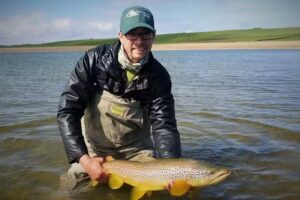
The core of the experience here is dedicated trout fishing for stocked Rainbow, Blue and Brown Trout, supported by a resident head of wild brownies. Catches are typically made on fly tactics from both bank and boat, with anglers reporting fish present across the loch rather than concentrated in one or two hot spots. That consistency, combined with clear water that often allows you to see several metres down, gives visiting anglers a strong chance of working fish out over the course of the session rather than relying on luck alone. Regular stocking from around one and a half pounds upwards keeps sport ticking over while still allowing fish to grow on.
Only fly tackle is allowed at the lochside, which will please traditionalists who want a venue run firmly as a fly fishing lake. Spinning gear and methods such as flyspoons are specifically excluded, and management retains the right to inspect catches and equipment, a sign that fish welfare and fairness between anglers are taken seriously. The fishery also prohibits wading, something that some anglers might find restrictive but which helps protect both safety and the margins of the reservoir. For those used to mixed-method waters this rule set will feel stricter, but it gives fly anglers confidence that the water is managed with their style of fishing in mind.
Access to the water comes via both bank and boat, offering flexibility depending on how you like to approach a trout fishery. Bank anglers can work from selected points around the shoreline, though several reviewers highlight that genuine bank space is somewhat limited and that the edges shelve quite quickly into deeper water. That depth and the structure of the margins make boat angling the preferred option for many, especially those who want to cover more of the loch in a day. If you are determined to fish from the bank only, it is worth being realistic about the available room and the need for accurate casting in relatively tight spots.
Boat provision is a significant part of the offer, with around ten stable craft available for use. These boats are appreciated for their steadiness and suitability for fly casting, and there are fixed moorings on the loch that allow anglers to hold position over productive areas without constantly resetting the anchor. However, there are no petrol or electric engines for hire, and the supplied oars are repeatedly described as heavy and hard work, especially for two anglers plus tackle. Many regulars therefore bring their own electric outboards, and those who cannot do so may find rowing throughout a full session tiring, particularly if the wind picks up.
Several independent reviews comment that the lack of hire outboards is the single biggest practical drawback in an otherwise well-run small water. For a solo angler happy to row, the size of the loch is manageable, but for pairs or for older or less physically able visitors the effort of covering ground under oars alone may limit how much of the reservoir can realistically be fished. This does not make the venue unsuitable, but it does mean that planning ahead is important; if you own an electric outboard this is the sort of place where bringing it transforms the day. Anglers who favour drifting with the wind rather than anchoring may feel this limitation more keenly than those content to sit over known features.
On the stocking and fish quality front, Glensherup earns consistently positive comments from visiting anglers. Reports speak of plenty of fish to cast to, good average sizes and a mix of fresh stock fish near the dam and more established residents showing down towards the reed-fringed bays. The water’s clarity means that presentation and fly choice matter, and days can range from straightforward to challenging depending on conditions, but anglers who adapt usually report multiple hook-ups across a session. This balance between accessible sport and the need to think about tactics is attractive to many who do not want their local trout lake to feel like a put-and-take pool.
The fishery’s approach to catch-and-release is also a strong point for many visitors. Tickets are structured to allow anglers to choose bag limits of three or five fish, with catch-and-release permitted once the chosen limit is reached, and there are clear rules around particular patterns such as the Booby Nymph, which cannot be used when practicing release. This structure encourages responsible fishing, gives anglers flexibility in how they manage their day’s catch and helps maintain a good head of fish in the water. For anglers used to strict kill-only tickets, this more nuanced policy can feel like a welcome middle ground.
Pricing is widely regarded as fair, with several reviews describing day tickets that include boat use as good value when compared with other Scottish stillwater trout venues. Anglers reference all-day catch-and-release options that leave them feeling they have had a worthwhile session for the outlay, especially given the combination of scenery, boat access and the quality of the fishing. While specific prices may have changed over time, the general sentiment remains consistent: for a day of focussed trout angling on a stocked water, Glensherup positions itself towards the accessible end of the market rather than the premium, high-priced category. For many, that affordability is key to making return visits viable.
Customer service is a recurring theme in feedback, and it is here that Glensherup distinguishes itself most clearly from more anonymous commercial operations. Anglers frequently mention being greeted with a warm welcome, practical advice on fly patterns and areas to target, and, memorably, offers of tea, coffee or a bacon roll before they head out or between sessions. The bailiff and regulars are described as approachable and willing to share up-to-date information, with some even showing photos of the loch at low water to help visiting anglers understand underwater contours. For potential customers who value this kind of human touch, the atmosphere is a significant attraction.
The fishery’s facilities are simple but generally appreciated for what they are. There is a small fisherman’s bothy used as a base for tickets, briefings, a hot drink and a bite to eat, and the surrounding area offers signposted paths and a car park that visitors describe as easy to use and, at times, free. This is not a venue with extensive tackle shops, bars or restaurants attached; instead, it provides the essentials needed to support a fishing day without distracting from it. For some anglers, that stripped-back feel is part of the charm, although those expecting a more comprehensive complex may find the offer limited.
From a practical standpoint, Glensherup is not difficult to reach for much of central Scotland, yet retains a notably quiet feel once you arrive. It lies within about an hour’s drive of major urban centres and close to important road links, but reviews emphasise how remote and peaceful the surroundings feel once you are at the water. Hills and walking tracks around the loch give non-fishing companions something to do, or offer anglers the option of stretching their legs between sessions. This combination of accessibility and seclusion is one of the reasons some regulars regard it as a bit of a hidden gem among Scottish stillwater fisheries.
There are, however, some aspects potential visitors should weigh carefully. Navigation to the fishery has occasionally been criticised, with one detailed review pointing out that older maps or directions were not especially clear, meaning a phone call in advance or careful checking of routes can save time on the day. Weather can be another factor; as an exposed upland water, conditions can change quickly, and in colder months the temperature and wind can make a day afloat feel demanding. The fishery is usually open year-round when weather allows, but anglers are advised to confirm before travelling outside the main season.
For those considering whether this is the right venue for them, it helps to think about what kind of day they want from a trout fishery. Anglers keen on pure fly tactics, who are comfortable in a small-boat environment and who appreciate personal interaction with the bailiff and fellow anglers, are likely to feel at home. Those who see boat engines as essential, who prefer extensive bank access, or who want a multi-method water may find some of Glensherup’s policies and physical characteristics less suited to their style. The experience is built around traditional fly angling, simple facilities and a relaxed pace rather than around high volumes of visiting customers.
Overall, Glensherup Fishery stands out as a modestly sized but well-regarded Scottish fly fishery with a strong reputation for friendliness, clear water and rewarding, if sometimes technical, trout sport. Its strengths lie in the consistent stocking, clean environment, approachable staff and fair ticket structure, balanced against practical limitations such as heavy oars, the absence of hire outboards and limited bank space. For many anglers prepared to work within those constraints, it becomes a place they return to for relaxed, sociable days on the water rather than a one-off destination. As with any venue, the best experience comes to those who arrive prepared and with realistic expectations about what this particular fishery offers.