Glyncorrwg Ponds Fishery
BackGlyncorrwg Ponds Fishery is a longstanding venue that brings together still-water angling, scenic walking and a simple campsite-style setting for people who want to focus on time by the water rather than on luxury facilities. The fishery forms part of a wider visitor complex with access to trails and a visitor centre, but its core appeal has always been the chance to spend unhurried hours targeting trout and coarse species in relatively quiet surroundings. Anglers who remember it before recent changes often describe it as a place they would return to repeatedly for relaxed sessions and consistent fishing.
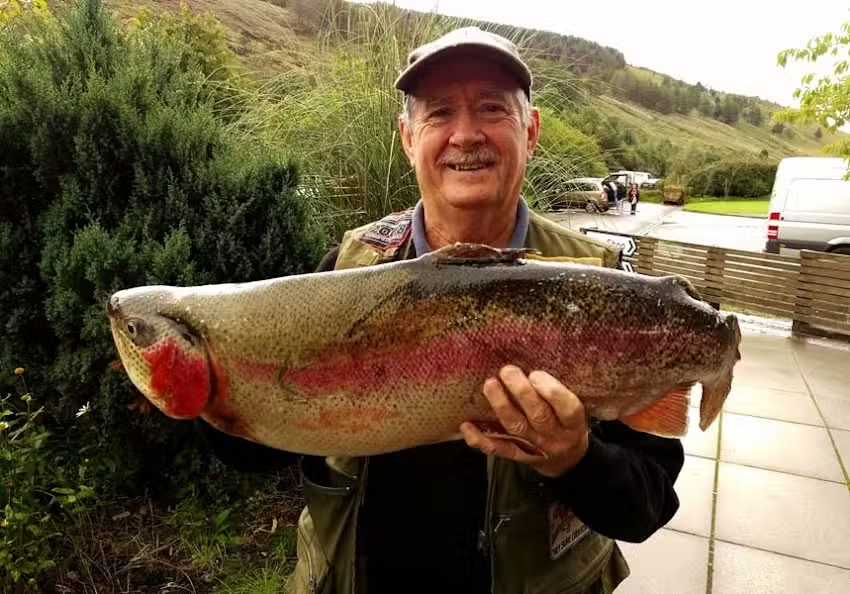
The fishery is based around several man‑made lakes fed by local streams, historically stocked with rainbow trout up to substantial sizes and supported by brown and blue trout to give varied sport on the fly. Reports describe fish to around mid‑twenties in pounds for the trout and carp to serious specimen weights in the coarse pools, which gives the venue credibility for anglers who enjoy targeting larger fish rather than high‑volume bagging. Fly anglers in particular have highlighted that the trout are not pushovers; they can be selective in their feeding, which suits visitors who value a more technical challenge rather than instant results every cast.
For traditional game fishing fans, Glyncorrwg has often been associated with quality fly fishing on still water. Several anglers mention that there are usually fish rising to natural flies at most times of the year, so visitors who enjoy fishing dries or light nymphs have opportunities to work on presentation and fly choice instead of relying on stock patterns. The fact that fish can be picky about when and how they feed is seen by experienced visitors as a positive, because it makes each session feel earned rather than automatic. For those who are prepared to ring the changes with patterns and adjust to hatches, this can be a rewarding venue.
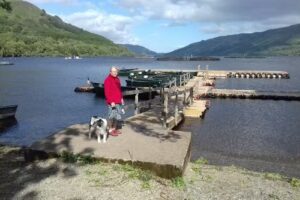
The setting around the lakes is repeatedly noted as peaceful, with wildlife and birdlife adding to the experience. Visitors comment on benches near the water, views of lilies, and regular sightings of herons and other birds, which all contribute to the feel of a calm day on the bank rather than a crowded commercial complex. People who come to camp or to ride the nearby trails often talk about dropping in for food at the visitor centre and then sitting by the ponds to unwind, even if they are not fishing themselves. For anglers, that quiet atmosphere can be a major part of the appeal when choosing between different venues.
From a facilities point of view, the fishery benefits from being next to a visitor centre and campsite-style area rather than being isolated. Reviews mention a lodge with space to sit down and have a hot meal, as well as reasonably priced food linked to the nearby mountain bike centre. This makes the venue more practical for a full‑day session, as there is somewhere under cover to take a break, shelter from changeable weather and get refreshments without packing up early. Some visitors stay on the adjoining camping pitches, combining days on the water with time on the local trails.
The angling itself has, in the past, been structured around a clear trout fishery offer and a separate coarse element. Accounts describe three main trout lakes, regularly stocked and run as a fly‑only venue, plus two coarse pools that have held bream, roach, tench and carp to notable sizes. For people who enjoy variety, this mix means a single trip can be focused on traditional still‑water trout tactics followed by time stalking carp in the margins, or it can be a family outing where different anglers pursue different species in the same location. The presence of larger specimens also attracts more serious anglers who like to invest time in learning a water.
Some anglers emphasise that the best sessions tend to be on weekdays when the banks are less busy. This is useful for those planning trips around work or travel, because it suggests that choosing a quieter day can give more freedom to move swims, try different areas of the lakes and work a particular feature without competing for space. The fishery has also been a cash‑only operation at times, which matters for visitors who are used to paying by card elsewhere and need to plan ahead to avoid problems on arrival. For anyone travelling a distance, checking current arrangements before setting off is sensible.
On the positive side, long‑term visitors frequently mention the quality of the trout stock and the overall standard of sport when the venue is operating fully. Descriptions of strong, hard‑fighting rainbow trout and fish that do not simply throw themselves at any fly help to position Glyncorrwg as more than just a basic put‑and‑take. Anglers who favour patterns such as diawl bach and who enjoy matching natural hatches report challenging but satisfying days, especially when the midges are active and the fish switch on. When everything is in place, the water is capable of delivering memorable sessions that justify repeat visits.
The coarse side has been appreciated for carp that can reach impressive sizes for a still‑water venue of this type. There are mentions of fish into the thirties by weight, which is significant for anglers who want to target bigger carp without travelling to large reservoirs or heavily pressured waters. While the information suggests that the carp lakes have needed periods of recovery and restocking, they remain a potential draw for those who are happy to put in time to locate fish and work around changes in water level or weed growth. For some coarse anglers this mix of potential and challenge is exactly what they look for.
However, it is important to balance these positives with more recent experiences that show the fishery has gone through a difficult period. One angler who had fished the carp lakes regularly before the pandemic reports that the carp pond suffered from heavy poaching around that time, with significant impact on stocks. They also mention a change of ownership and being told that fishing was no longer allowed there, which understandably left regulars disappointed after years of loyalty. When stock security and access to the water are in question, it can affect how confident potential visitors feel about committing to a long‑distance trip.
Communication is another area where feedback is mixed. Some visitors praise friendly staff and a welcoming feel around the ponds and visitor centre, while others have found it hard to make contact with whoever is currently responsible for day‑to‑day angling management. There are reports of people travelling over an hour after seeing online information suggesting the fishery was open, only to find it closed on arrival and with no easy way to reach a decision maker. For someone on a short holiday or with limited free time, this can be particularly frustrating.
Pricing transparency has also been raised in older reviews relating to camping and use of the wider site. At least one camper reported a situation where camping prices had risen compared with what was advertised online, with the explanation that the website had not been updated for some time. While price adjustments are understandable in any hospitality or leisure business, anglers and campers increasingly expect online information to be accurate, especially when planning multi‑day stays. Clear, up‑to‑date details help build trust and avoid awkward conversations at the end of a session.
Maintenance of the banks and surrounding areas comes through as a minor but recurring point. Some visitors have commented that the ponds themselves have been brought back up to proper water levels after earlier issues, but that they would benefit from some extra tidying and general care on paths and swims. Others, by contrast, appreciate the slightly more natural feel and the presence of wild plants and wildlife around the margins. This suggests that individual expectations vary; those seeking a manicured commercial fishing lake with spotless platforms may find some aspects rough around the edges, whereas anglers who prefer a more natural setting may see that as part of the attraction.
The combination of a visitor centre, bike trails and camping alongside the water means that Glyncorrwg appeals to mixed groups as well as dedicated anglers. Reviews point to good food options at sensible prices, a bike shop on site and the ability to combine a day of riding with a few hours on the bank or a meal overlooking the ponds. For families or groups of friends where not everyone wants to fish, this variety can be a practical advantage compared with more single‑purpose venues. It also gives non‑anglers something to do while others concentrate on their fishing.
From the perspective of someone specifically looking for a fishing campsite, the venue offers both strengths and caveats. On the plus side, having pitches close to the water, access to hot food and the ability to walk straight from tent or campervan to the lakes is appealing. On the downside, past comments about insects being very active at certain times, particularly midges, mean that anyone staying on site needs to come prepared with suitable repellent and clothing. For some, those conditions are simply part of summer fishing in a valley environment; for others, they can detract from the experience if not anticipated.
Potential visitors should also be aware that information about current angling availability can change, especially where ownership or management arrangements have been updated. One recent comment indicates that the people now running part of the site are separate from the main building and that they were, at least at that time, not allowing fishing on a particular pond. This kind of shift can happen at multi‑use sites, but it underlines the importance of checking the latest position on which waters are open, what tickets are available and whether any restrictions apply. For travelling anglers, a quick confirmation before setting out is a sensible step.
For those who do manage to fish here when the waters are open, practical tips from previous visitors can help shape expectations. Fly anglers mention that paying attention to insect activity, including when midges become active, often coincides with feeding spells for the trout. Patterns that imitate natural food items have been more successful than flashy attractors at times, reinforcing the view that this is a water where some thought and flexibility are rewarded. Sticking to bank fishing is standard practice, as wading is not required and has historically been prohibited for safety and fishery management reasons.
Overall, Glyncorrwg Ponds Fishery has the foundations of an appealing venue for still‑water anglers: a mix of trout and coarse opportunities, a scenic setting, access to food and facilities and the option to stay overnight nearby. Feedback over the years has praised the quality of the fish and the calming feel around the ponds, but more recent experiences point to issues around poaching history, occasional closures, communication gaps and the need for clear, updated information. For potential visitors, particularly those keen on carp fishing or technical trout fishing on a dedicated fly water, the venue can still hold interest, provided they confirm current arrangements and go prepared for a slightly more straightforward, outdoors‑focused experience rather than a highly polished commercial operation.