Grange Pond
BackGrange Pond operates as a dedicated members-only coarse fishery managed by Long Eaton Victoria Angling Society (LEVAS), aimed primarily at pleasure anglers who value consistent sport, a secure setting and clearly defined rules on the bank.
The water is a mixed fishery with around thirty permanent pegs, including purpose-built platforms that have been progressively upgraded over the years to provide safer, more comfortable access to the water. Concrete slab pegs on steel frames and a circular path mean that many anglers can set up with ease, while selected pegs offer improved access for those who need a more stable footing. Some positions remain quite steep and can be a little awkward to reach, so new visitors should take a few minutes to walk the bank before deciding where to set up.
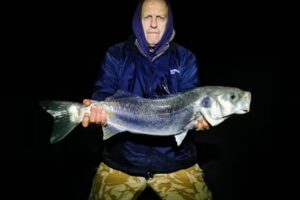
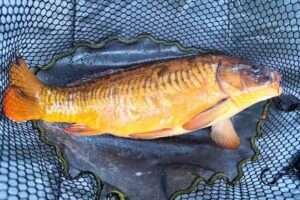
From a fishing perspective, Grange Pond is attractive to anyone looking for a reliable carp fishing venue with added variety from other coarse species. The lake holds carp that have grown beyond the mid-double bracket, with reports of fish around and above the twenty-pound mark, alongside bream into high single figures, perch to around three pounds and pike pushing similar top weights. Roach, chub, gudgeon and ruffe help to keep the float dipping when the bigger fish are not feeding, giving the water the feel of a classic mixed coarse venue rather than a single-species pool.
For many regulars, the main draw is the combination of steady action and the chance of larger carp that have benefitted from ongoing stocking. LEVAS has a long-standing policy of introducing new carp whenever club finances allow, often adding between one and three hundred fish per year, which has helped maintain stocks and keep catches consistent through the seasons. Anglers who commit a bit of time to learning the water talk about sessions where they are frequently into fish, with spells when bites come so quickly that it can be challenging to keep more than one rod in the water.
The venue responds well to a range of traditional coarse fishing approaches, which is appealing for anglers who enjoy fine-tuning tactics rather than relying on a single method. In the warmer months carp are known to patrol the margins around much of the lake, giving good opportunities for short-range carp rigs under the rod tip with baits such as sweetcorn, soft pellets, meat, bread or paste. Pole and waggler work well over carefully fed lines, where small but regular helpings of casters, maggots or micro pellets can produce quality roach, bream and perch, with the added bonus of tench or carp muscling in once a bed of feed has built up.
Further out, the longer pole line from around six to fourteen metres can be very productive when approached with a clear plan. Anglers who specifically want carp and tench can focus on slightly heavier tackle and larger hookbaits, while those aiming for a mixed bag might scale down and use maggot or caster for bites from silver fish with the ever-present chance of something bigger. A straight lead or feeder set-up also has its place, especially when targeting the open water or the zones near the islands and features, where a method feeder or open-end feeder loaded with groundbait, pellets and dead maggots can pick out better fish.
Surface tactics have their moments at Grange Pond, particularly on warmer, still days when carp cruise high in the water. The club rules restrict free feeding of floating baits, so anglers must present surface offerings on the hook rather than scattering loose bait across the swim, which can make takes more earned but keeps control over how the fish respond. When the conditions are right and the fish are confident, this controlled approach can still be very effective, with larger carp often falling to well-presented mixers or bread crust fished along the patrol routes.
In colder months, Grange Pond does not shut down completely and can still fish well with a more refined approach, which is a strong point for those who like year-round coarse angling. During winter, the margins tend to be quieter except on milder days, but anglers can score by fishing shorter pole lines from around four to eight metres, or occasionally pushing out to twelve to fourteen metres when fish hold further off. Smaller baits such as single maggots, casters or a single grain of corn presented on fine tackle often produce steady bites, with the occasional surprise carp or tench turning up even in low temperatures.
The venue has also produced impressive match weights, which indicates the density and quality of the stock. Club records show three-hour match catches in excess of sixty pounds and five-hour events surpassing eighty pounds, largely made up of carp and bream taken on well-worked feeder and float tactics. These results appeal to both pleasure anglers who like catching consistently and match-orientated members who want a water capable of decent weights without being an intensively stocked commercial.
Alongside its angling strengths, Grange Pond benefits from infrastructure that increases security and peace of mind. The site is enclosed by fencing, including an otter fence designed to protect fish stocks, and access is controlled by key, with a private locked car park close to the water. This set-up reassures many visitors that their vehicle and tackle are more secure than they might be at open-access venues and also helps to reduce disturbance from non-angling visitors, contributing to a calmer atmosphere on the bank.
LEVAS actively maintains the water, investing in bank work and peg rebuilding, and calls for members willing to assist with bailiffing the pond. For some anglers this sense of being part of a traditional club—one with roots going back over a century—adds value beyond the fishing itself, creating a community feel where regulars look after the venue and share information. Members can also fish other LEVAS-controlled waters and, if they wish, take part in a programme of club matches and social events each year.
However, the way the fishery is managed does not suit everyone, and this is reflected in contrasting opinions from visitors. Some anglers describe friendly, helpful fellow members and a relaxed environment where they can enjoy regular bites on a quiet, well-kept lake close to home. Others have reported feeling that the rules and enforcement style are overly strict, with the impression that new members are scrutinised closely and corrected often, to the point where it can feel hard to unwind during a day on the bank.
The rule set is designed to protect fish welfare, maintain order around the water and safeguard the club’s investment in stocking and infrastructure, but those who prefer a more casual approach to coarse fishing lakes might find the tone of some interactions a little formal. There are comments about multiple rules and frequent checks, giving a sense for some that a simple day’s carp fishing can become more regimented than they would like. For anglers who are happy to follow detailed venue rules and appreciate visible bailiff presence, this can feel reassuring, but for others it risks taking some of the spontaneity and ease out of a visit.
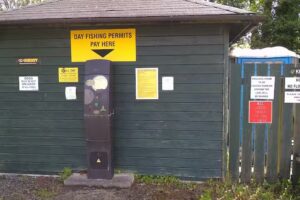
Another factor to consider is that Grange Pond is restricted to members, so it is not a waterside option that someone can decide to try on a whim with a casual day ticket. Prospective visitors must be prepared to join LEVAS through one of the recognised channels and accept that membership covers not just this water, but the broader portfolio of club fisheries. For regular anglers in the area this can represent good value, especially given year-round access to certain waters, but those who only fish occasionally might question whether a club commitment suits their pattern of angling.
On the plus side, the members-only structure helps keep angling pressure at a manageable level, which often translates into more space on the bank, better-behaved fish and a quieter setting than many open commercial fishing lakes. With the combination of secure parking, locked access and a club presence, it tends to attract anglers who are invested in looking after the venue and respecting fellow members. For many, this steady, club-run environment offers a welcome alternative to heavily marketed commercial complexes that can become crowded at peak times.
For those weighing up Grange Pond against other options, the decision will likely hinge on personal preference around rules, atmosphere and how often they intend to fish. Anglers who enjoy structured club waters, value fish welfare and like the idea of a secure mixed fishery with a proven track record for good carp fishing and varied bags will probably see the membership requirement and regulations as a fair trade-off. Those who favour a more casual day-ticket approach, or who dislike feeling closely monitored on the bank, may prefer to look at alternative open-access carp lakes and commercial venues in the wider region.
Overall, Grange Pond stands out as a traditional, well-managed members’ water that blends a secure setting and thoughtful fishery management with genuinely rewarding coarse angling throughout the year. Its strengths lie in its mixed species, solid infrastructure and the continuity provided by an established angling society, while its more demanding rule culture and membership requirement may not align with every potential visitor. Anglers who are comfortable within a club framework and who appreciate carefully run fishing venues are likely to find Grange Pond a satisfying and productive place to spend their time on the bank.