
Grimersta Lodge
BackGrimersta Lodge operates as a dedicated salmon fishery estate with a long tradition of welcoming anglers who want structured, high‑quality access to wild fish rather than a casual holiday park experience. The focus is firmly on organised weeks of fly fishing supported by professional ghillies, full service in the lodge and a well‑managed system of lochs and rivers that has been run for sporting purposes for well over a century.
The estate is primarily known for its wild Atlantic salmon, grilse and sea trout, with fish entering the system from late spring and strong runs typically in mid‑summer, complemented by excellent wild brown trout fishing on numerous surrounding lochs. For anyone searching for a classic salmon fishing lodge experience in the Outer Hebrides, Grimersta has a reputation as one of the more traditional destinations, with a fixed weekly rotation and a clear emphasis on etiquette and conservation rather than numbers at any price.
Fishing set‑up and methods
Fishing at Grimersta is by fly only, with eight rods normally rotating between four beats across the lochs, rivers and connecting streams, although recent seasons have sometimes seen fewer rods to match conditions. This format suits anglers who appreciate an organised programme and are comfortable sharing water in a structured rotation, but it may feel restrictive to those used to dropping in and out of pools on an informal basis.
The estate recommends single‑handed rods of around 10 to just over 11 feet for most of the loch work, rated around AFTM 7–9, with slightly longer rods up to around 12–14 feet proving useful on the rivers and streams in high water and strong winds. Traditional loch‑style tactics are central: a cast of two flies is standard, with smaller patterns on the tail and a larger, often famous Grimersta pattern such as a Blue Elver or a Muddler on the dropper. For anglers keen on classic Hebridean fly tactics, this emphasis on traditional methods is a clear plus; however, anyone looking for spinning or bait fishing will find the fly‑only rule limiting.
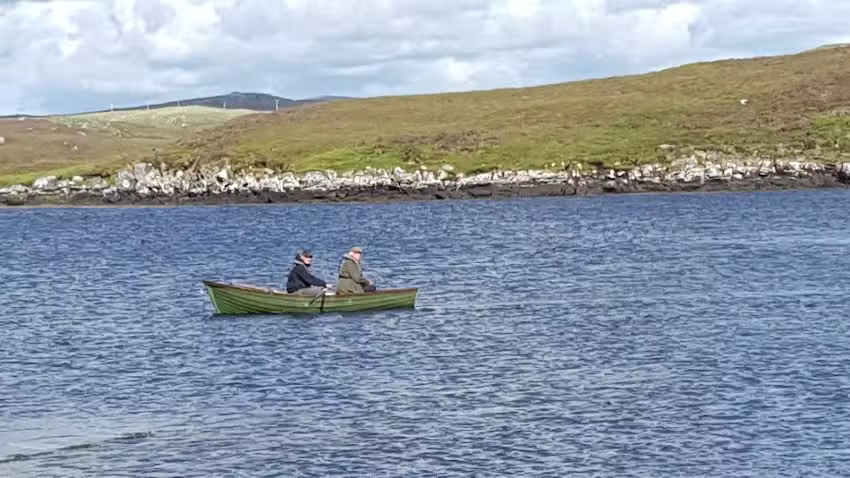
Boat work is distinctive, as both anglers fish from the stern of the boat while the ghillie holds the bow into the wind and manages the drift, a set‑up that is very different to many other fly fishing venues. Some rods fish in turn to avoid fatigue and keep concentration high, and the ghillie not only handles boat safety but also advises on tactics, fly choice and how best to cover each drift or pool. This approach usually suits anglers who want to improve their fly casting and boat craft, though those who like full independence afloat may feel more constrained by the structured guidance.
Fish, conditions and catch expectations
Salmon, grilse and sea trout move into the Grimersta system from late May, with the height of the run traditionally around mid‑July and fresh fish still appearing until mid‑October. The estate’s own reports highlight that conditions can be changeable, and there are weeks when fish are present yet difficult to tempt, alongside periods when sport becomes very brisk as fish shoal under the right weather and water levels.
Recent seasonal summaries indicate that the fishery can still record several hundred salmon and grilse in a season, even when opening later than usual and running fewer rods than the historical maximum, which suggests a relatively productive system by contemporary standards. At the same time, these same reports are candid about slower spells and the reality that modern migratory fish stocks and variable weather can make results inconsistent, something any prospective guest should factor into expectations.
On the lochs themselves, there can be stretches of inactivity when fish are not on the move, followed by fast bursts of action when they suddenly switch on, making this style of loch fishing highly visual and sometimes intense. Rivers and streams connecting the lochs can be very prolific when they carry the right height, and the ability to switch from boat to bank methods gives flexibility, although high winds can occasionally make boating unsafe and force a change of plan.
Ghillies, instruction and service on the water
Grimersta maintains a team of experienced ghillies, including qualified instructors, who are central to the experience and who accompany rods as part of the standard package rather than as an optional extra. Their role extends from rowing and boat handling to advising on fly choice, reading water, timing the strike and managing fish safely once hooked, which can be particularly valuable for guests who want to refine their technique in traditional Scottish salmon fishing.
Estate commentary and external accounts emphasise the importance placed on safety, especially on the larger lochs during high winds, with ghillies having the final say on whether boating can go ahead. For some anglers, this level of oversight provides reassurance and allows them to focus purely on fishing; others who are very experienced in boats might prefer more autonomy but must understand that the estate’s rules are designed around risk management and duty of care.
Lodge, hospitality and atmosphere
Guests usually stay in the main lodge, a purpose‑built sporting house dating from the 19th century that stands above the west shore of Loch Roag, close to the point where the river system meets the Atlantic. Historically, the estate has been managed primarily for angling since around the mid‑1800s, with the present operation following a long tradition of syndicate ownership and a culture that values both field sport and the surrounding community.
The lodge is fully staffed during fishing weeks, providing breakfast, a packed lunch, afternoon tea and an evening meal, with chefs noted for combining local produce and game with more modern touches in the kitchen. There is also an established wine cellar, and many visitors mention the sense that the food and evening hospitality are a core part of the experience rather than just an add‑on to a day on the water.
Feedback from online mapping platforms is limited in volume but consistently positive, with comments highlighting the beauty of the surroundings and the uplifting effect of the landscape as much as the comfort of the buildings. While this reflects a generally satisfied clientele, the small number of public reviews means potential guests should treat them as indicative rather than statistically comprehensive, and many more detailed impressions travel by word of mouth among dedicated fishing holiday regulars.
Heritage and ethos of the estate
Grimersta operated historically as a fishery estate with an emphasis on angling rather than shooting or stalking, and this single‑minded focus still shapes the way the operation is run today. Earlier owners and syndicate members were known for sharing fish with neighbouring villages and supporting local institutions, and the current management continues to organise access, seasonal employment and limited club opportunities in a way that acknowledges that legacy.
Part of this ethos can be seen in arrangements that allow local angling clubs to have certain evening boat sessions on sections of the system, giving resident anglers a taste of a fishery that is otherwise mostly let to weekly parties. For travelling rods, this points to an estate that balances paying residential guests with some community access; however, it also shows that premium exclusivity is not absolute, which may be a positive or a drawback depending on individual priorities.
Strengths for prospective fishing guests
-
A well‑defined programme of fly‑only salmon fishing holidays with experienced ghillies, structured rotations and access to a linked system of lochs, rivers and streams gives anglers a clear sense of what to expect from a week on the estate.
-
The combination of migratory salmon, grilse, sea trout and numerous wild brown trout lochs offers varied sport, from traditional loch‑style drifting to more intimate river work when conditions suit.
-
Full board accommodation in a historic lodge, together with attentive staff and a strong food and wine offering, means guests can focus on fishing without having to manage day‑to‑day logistics.
-
The long sporting history of the estate and its continued operation as a dedicated fishery create a sense of continuity that many visiting anglers value when choosing a fishing lodge with character rather than a generic hotel.
Points that may not suit every angler
-
The fly‑only rule, fixed beat rotation and emphasis on traditional loch‑style techniques mean the experience is tailored to those who are comfortable with, or keen to learn, classic fly fishing methods; those preferring spinning or more casual multi‑method angling will find options limited.
-
As with any wild fishery, catches depend heavily on weather and water levels, and estate reports are open about weeks where fish are reluctant even when present in good numbers, so expectations need to be realistic rather than numbers‑driven.
-
Boat safety rules and ghillie decisions can occasionally restrict access to lochs during high winds, which is important from a safety perspective but may disappoint those who have travelled far and hoped to fish every planned session afloat.
-
The public review base on general platforms is relatively small, offering mainly very positive but limited snapshots rather than a broad statistical picture, so prospective guests will benefit from seeking additional word‑of‑mouth feedback or specialist angling opinions as part of their research.
Who Grimersta Lodge is best for
Grimersta Lodge is particularly suited to anglers who want an immersive salmon fishing week in a traditional Hebridean lodge setting, with ghillies on hand, set mealtimes and a clear structure to each fishing day. Those who enjoy the social side of shared dinners, swapping stories of fish landed and lost, and debating tactics for the next day will find that aspect as central as time on the water itself.
For experienced fly fishers, the mix of challenging conditions, highly visual takes and periods of intense action can make the estate a memorable test of skill, particularly when fish shoal on the lochs or when the rivers carry perfect water. Newer fly anglers who are serious about learning will appreciate the instruction and structure, but should be ready for the physical demands of long days in the boat and the patience required during quieter spells.
Overall, Grimersta presents itself as a focused fishing estate rather than a general leisure resort, delivering a combination of heritage, professional water management and attentive hospitality that strongly appeals to committed rods. At the same time, its strict methods, dependence on natural conditions and relatively formal lodge routine mean it is best suited to guests who actively want that style of trip and are comfortable accepting both the rewards and the constraints that come with a carefully managed wild salmon fishery.