Hadley Angling and Preservation Society (HAPS)
BackHadley Angling and Preservation Society (HAPS) manages Jack’s Lake on Monken Hadley Common and focuses on offering relaxed, traditional coarse fishing in a natural setting rather than a heavily commercialised complex. The club is long established, having been formed in 1982 specifically to restore and manage the lake, which had previously declined, and this heritage still shapes the experience for today’s visitors who are looking for authentic coarse fishing rather than a purely numbers-driven venue.
The water itself is a classic mature lake with 44 pegs, of which around the mid-twenties are open to day-ticket anglers and the remainder reserved for members, creating a balance between accessibility and a quieter members’ section. This split appeals to regulars who want a sense of belonging while still welcoming casual visitors who just want a relaxed day of pleasure fishing. The layout includes defined swims, some of which have been improved with safer platforms and re-laid paths, so anglers are not simply fishing from rough banks, although a few spots can still feel uneven compared with purpose-built commercial fisheries.
In terms of species, Jack’s Lake is a mixed fishery rather than a pure specimen venue, holding carp reputed to the mid-twenties in pounds, bream to around mid-single figures, roach, tench, chub, pike, rudd, gudgeon and the occasional eel or barbel. This mix suits anglers who enjoy varied coarse angling and the chance of bending into different fish in one session, from silver fish on lighter gear to more powerful carp or pike on stronger tackle. The variety can be a positive for families and less experienced anglers who simply want bites, but those who exclusively target big carp may feel the stock is modest compared with high-profile day-ticket waters where forty-pounders are common.
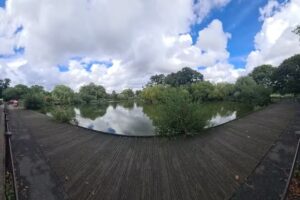
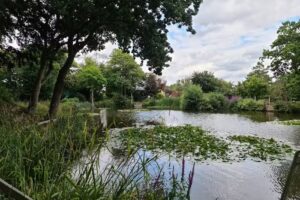
Feedback from visitors consistently highlights the surroundings as one of the strongest points. People describe the woods, walking trails and lake as scenic, tranquil and surprisingly peaceful for somewhere within easy reach of North London, offering a real escape for a few hours with a rod. Anglers often mention that they enjoy combining fishing lakes time with a walk, picnic or simply sitting quietly by the water, which makes the venue attractive for families and for those who appreciate nature as much as catching fish.
Several comments emphasise that the banks and paths are generally well kept, with bins available and swims in safe condition, suggesting the club takes its preservation role seriously. Visitors report tidy pegs, controlled litter and maintained access, which contrasts positively with some neglected urban waters where rubbish and bank erosion can be off-putting. That said, because this is fundamentally a woodland lake, there are still natural obstacles such as overhanging trees, lily pads and uneven ground, so it may not feel as manicured as some commercial fisheries designed from scratch.
The social atmosphere around the water is another commonly mentioned strength. Anglers often describe the club as friendly and approachable, with bailiffs who walk the banks, check tickets and offer advice – for example on bait choices such as maggots and sweetcorn, hook sizes, depth and where to present rigs near features like lilies. This presence contributes to a sense of safety and reassurance for newcomers who may be unfamiliar with coarse fishing tackle and setups, and several visitors mention helpful interaction when bringing children for their first proper session.
On the technical side, the lake rewards anglers who pay attention to their approach rather than simply casting out and expecting instant action. Reports from regulars describe sessions where adjusting hook size, depth and presentation made the difference between a quiet day and consistent bites. For example, a smaller hook pattern and fishing closer in with maggots or sweetcorn has been found effective when fish are cautious around lily pads, whereas fishing too deep on hot days when carp are cruising higher in the water can lead to missed opportunities. This kind of feedback suggests that the lake suits anglers who enjoy thinking through their coarse fishing rigs and tactics rather than expecting guaranteed catches.
In spite of its many positives, Jack’s Lake is not without criticism, and potential visitors should be aware of some of the challenges mentioned over time. Historical comments have raised concerns about fish theft and poor behaviour by a minority of people, including reports of lines with meat hooks and anglers allegedly taking fish home. Such behaviour is at odds with the club’s ethos and has understandably worried regulars who remember the venue being more prolific. However, HAPS has responded with a clear rule set and active bailiffing intended to protect stocks and preserve the fishery for the long term.
The fishery rules are detailed and quite strict, covering everything from conduct on the banks to specific tackle requirements. There are prohibitions on removing fish, using gaffs or livebait, lighting fires, leaving baited rods unattended or digging for bait, and there are limits on maximum hook size and the use of barbless patterns only. For dedicated anglers who care about fish welfare and responsible carp fishing, these regulations are reassuring and show a serious approach to management. For some casual visitors they may initially seem restrictive, but they are typical of well-managed angling clubs and help ensure that fish remain in good condition and that the venue avoids the problems of uncontrolled waters.
Access to the fishery balances openness with control. Both members and day-ticket anglers are welcome, but anyone fishing must be able to produce a valid permit and rod licence if asked by a bailiff or committee member, and there are limits on how long an angler can stay, with a maximum continuous period on the lake before a break is required. Night fishing is reserved for full members and is not allowed in the members’ end, and camping is not permitted, though bivvies are allowed for authorised overnight sessions. These arrangements will suit anglers who like a structured, club-style fishing venue, but they may deter those who prefer totally unrestricted access.
The club’s focus is not just on day-to-day angling but also on events and community. Matches and coach outings are arranged for members, with match reports indicating that conditions can sometimes be challenging, particularly in colder months when bites are harder to come by and only a few anglers weigh in. On other occasions, individuals have reported solid bags of carp, bream and roach during warmer periods, reinforcing the notion that success at Jack’s Lake is tied closely to season, weather and tactical choices. This variability will appeal to anglers who enjoy the puzzle of reading a water but might frustrate those looking for very easy day ticket fishing every visit.
For families and newcomers, the setting and atmosphere are clear attractions. Accounts of first trips with children consistently mention clean banks, friendly staff and memorable first fish, emphasising how suitable the venue can be as an introduction to family fishing. The surrounding common offers space for walks and time away from the pegs, which helps keep younger visitors engaged even if the fishing goes quiet. Parents and guardians must, however, be prepared to supervise youngsters closely, as the water’s edges and natural features demand sensible behaviour and adherence to safety advice.
From a practical standpoint, the lack of full formal disabled facilities is important to note. While there has been work to improve paths and some platforms, the club openly acknowledges that dedicated disabled access is limited, with only a small number of areas suitable for those with restricted mobility. For many anglers this will not be a barrier, but for some it will be a deciding factor, especially when comparing Jack’s Lake with more modern commercial fisheries that have purpose-built disabled pegs, parking next to swims and level, hard-standing paths.
The preservation aspect of HAPS is more than just a name. The club has been responsible for significant restoration work in the past, including draining, de-silting, restocking and ongoing maintenance such as cutting back vegetation and making banks safe. More recent projects have focused on renewing pathways and improving platforms in both the main area and the members’ section, emphasising a long-term commitment to the health of the lake and its surroundings. Anglers who value environmentally minded fishing clubs may see this as a major plus, as it indicates that ticket revenue and membership support are reinvested back into the fishery.
Catching expectations should be realistic. On some days, anglers have reported multiple carp and a steady flow of bream and roach, especially in warmer months when the fish are active and visible near the surface. On other days, particularly in matches during colder periods, results have been lean, with only a handful of fish landed across several participants, reminding visitors that this is a natural water, not a heavily stocked pool where every cast produces a bite. Those who come with the mindset of enjoying the surroundings, the challenge of specimen fishing opportunities and the social side of angling are likely to leave more satisfied than those chasing guaranteed big bags.
For potential visitors weighing up whether to choose Hadley Angling and Preservation Society’s Jack’s Lake, the overall picture is of a welcoming, traditionally run mixed fishery with strong community spirit and a clear conservation focus. Strengths include scenic woodland surroundings, varied species, a friendly club structure, active bailiff presence and a robust rule set that aims to protect fish and the environment. Limitations include variable catch rates, only partial disabled access, and a need to accept club-style regulations and oversight, which may not suit every angler but are integral to what keeps this coarse fishing lake in good order.
Anglers and families considering a visit will find a venue that offers more than just catching fish: time outdoors, a sense of history, and the chance to develop skills and knowledge over repeat sessions. Those who appreciate traditional angling venues, responsible rules and a natural setting are likely to value what HAPS provides, while those seeking highly commercial, heavily stocked waters with extensive on-site facilities may prefer alternatives. Approached with realistic expectations and respect for the club’s conservation ethos, Jack’s Lake can be a rewarding destination for anyone looking to enjoy relaxed coarse fishing within reach of the capital.