
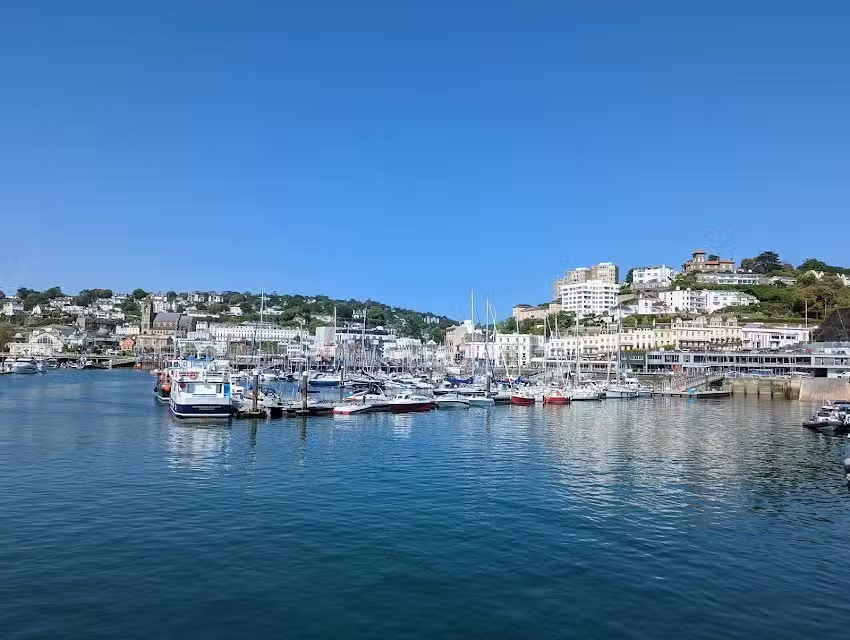
Haldon Pier
BackHaldon Pier is a traditional working pier that has become a favoured spot for sea anglers who want straightforward access to deep water, harbour structure and an active mix of boat traffic and marine life. Its solid stone construction projects out beyond Torquay’s inner harbour, giving anglers the chance to cast into more open water while still enjoying the practicality of flat, stable ground underfoot. The atmosphere combines leisure and industry: visiting yachts, pleasure craft and commercial workboats use the pier regularly, which means there is always something to watch between bites.
For anyone interested in sea fishing, the main attraction of Haldon Pier is the simple, no‑nonsense access to the seaward side, where angling is explicitly permitted by the harbour authorities. Local regulations prohibit fishing inside the harbour itself, but they welcome anglers along the outer face of both Haldon and Princess Piers, so long as they stay on the seaward wall and show consideration for commercial operations. This clear policy removes much of the uncertainty that can come with harbour venues and makes Haldon Pier a dependable option for those planning a dedicated session.
The pier offers a versatile environment for different styles of pier fishing. Anglers using light rock fishing (LRF) tackle report good sport tight to the structure, with mini‑species and smaller predators responding well to small lures, soft plastics and natural baits. Clear water around the pier and rock features close to the wall create ideal conditions for ultralight setups, giving experienced anglers and beginners alike the chance to encounter a surprising range of fish with relatively modest gear. Those who prefer heavier tackle can step up to bottom rigs or spinning setups to target larger species when shoals move through.
Video sessions filmed on Haldon Pier highlight the appeal of ultralight tactics with species such as wrasse, scorpionfish and other rock dwellers taken close at hand on small lures. These reports align with comments from visiting anglers who describe Torquay as a strong venue for light rock fishing generally, and Haldon Pier stands out as one of the more accessible marks. For anglers who enjoy experimenting with different presentations, the mix of rock, harbour wall and open water means there are plenty of options without needing to travel far from the car.
At certain times of year, especially in warmer months with clear water, the outer reaches of Haldon Pier can see shoals of pelagic fish moving through, which is where traditional mackerel fishing tactics come into their own. Spinning with metal lures, casting feathers or sabiki rigs, or using float tackle with strips of fish can all be effective when fish are present in numbers. While not every session produces large bags, the pier offers the depth and tidal flow that many anglers associate with productive mackerel marks, and it is common for visitors to combine sightseeing with a few hours of lure fishing at dawn or dusk.
The pier also lends itself to general sea angling aimed at a wider variety of species. Standard bottom‑fishing rigs such as two‑hook flappers baited with ragworm, lugworm or strips of mackerel can produce flatfish, whiting, pouting and small bass when the conditions are right. The mix of ground off the pier, with areas of rougher structure and cleaner patches, rewards anglers who take time to vary casting distances and directions. At night, there is potential for dogfish and other nocturnal species, although catches can be variable and depend heavily on weather, tide and season.
For family groups and newcomers to UK sea fishing, one of Haldon Pier’s strengths is how easy it is to reach and use. The wide, level surface and the clearly defined seaward wall provide a relatively accessible platform compared with more rugged rock marks, and there is generally enough room to set up a couple of rods without feeling cramped outside peak summer periods. People who simply want a relaxed session with simple tackle, such as a float rig or a basic spinning rod, can enjoy a few hours by the water without committing to a long trek or complex planning.
Reviews from visitors frequently mention the pleasure of walking the full length of the Victorian stone pier, taking in the views of Torquay Harbour and the wider bay. Anglers benefit from the same scenery, with vantage points that look back toward the marina and out along the coast. On calmer days, it is a comfortable place for a slow session where the enjoyment comes as much from the surroundings as from the catch. Wildlife sightings add to the experience, with seabirds, seals and regular boat movements creating a dynamic backdrop for fishing.
At the same time, it is important for prospective visitors to understand that this is not a purpose‑built fishing pier but an active working structure. Commercial vessels, visiting yachts and harbour operations take priority, and sections may be temporarily out of bounds when staff need clear access. Anglers have to remain alert to vehicle movements, crane activity or changing instructions from harbour personnel. This working nature provides authenticity and interest but also requires a higher level of awareness than at some leisure‑only venues.
Weather and sea conditions can significantly affect the usability of Haldon Pier for shore fishing. During settled spells, anglers can enjoy steady sessions without much disruption, but when strong winds and heavy swell push into the bay, waves can break over the structure, creating hazardous conditions. Local accounts describe storm events where sea water regularly overtops the pier and coastguard patrols are forced to close access entirely for safety. On such days, fishing is neither comfortable nor sensible, and users should expect restrictions to be enforced at short notice.
Even outside extreme storms, anglers should be prepared for changeable conditions. Exposed sections of the pier can feel very different from the more sheltered inner harbour area, and a session that begins in calm weather can quickly deteriorate if wind direction or strength changes. Sensible footwear, appropriate clothing and a cautious approach near the edge are strongly recommended. Those planning longer sessions for species such as mackerel or bass will often check forecasts carefully and aim for moderate seas and manageable wind speeds.
Another point to consider is that Haldon Pier can become busy at certain times, particularly in peak holiday periods and during mackerel runs. When shoals are present, the seaward wall can attract a mix of anglers with varying levels of experience, some using long feathers and casting frequently. While this can create a lively atmosphere, it also increases the risk of tangled lines, crowded railings and frustration for those who prefer a more measured approach. Visiting anglers who value space and quiet often choose early mornings, evenings or off‑season weekdays to avoid the busiest periods.
Access for people with limited mobility is better than at many rock marks, given the broad, engineered surface and lack of steep climbs directly on the pier itself. However, the working environment means that surfaces can be wet, slippery or obstructed by equipment at times, and there may be occasional vehicle traffic. Those who require completely unobstructed, dedicated angling platforms may find this less predictable than some purpose‑designed accessible fishing spots, but it remains a practical choice for many visitors who need reasonably level access.
In terms of facilities, Haldon Pier relies heavily on the wider harbour and town infrastructure rather than offering dedicated angling amenities right on the structure. There is no formal tackle shop on the pier itself, and anglers usually need to arrive with rods, end tackle, bait and safety gear already sorted. This can be a downside for spontaneous holidaymakers hoping to pick up everything at the water’s edge, but those who plan ahead or buy their gear in town will not find it a major obstacle. The lack of on‑pier retail also contributes to a more traditional atmosphere focused on the water rather than commercial frontage.
The mixed feedback from visitors reflects a balance of positive and negative aspects that potential customers should weigh carefully. On the positive side, Haldon Pier offers easy access to productive sea fishing marks, the chance to target a variety of species with everything from ultralight LRF tackle to heavier spinning and bait fishing, and an undeniably scenic setting. The pier’s working character gives sessions an added sense of authenticity, with real harbour activity all around and a constant feeling of being close to the practical side of marine life.
On the more challenging side, the same working nature means anglers must be willing to adapt to restrictions, moving vessels and possible closures. Weather can transform the experience from relaxed to demanding very quickly, and storm events can render the structure completely out of bounds. Busy periods, especially during holiday seasons and mackerel peaks, may not suit those who dislike crowded railings or who need large amounts of personal space for their setups. The absence of on‑pier angling services and amenities also puts more responsibility on individuals to arrive prepared.
For anglers comparing UK fishing piers and deciding where to spend their time, Haldon Pier stands out as a solid option if they value authenticity, varied fishing and a harbour setting. It suits people who are comfortable sharing space with commercial operations and who appreciate the blend of leisure and work that characterises many traditional coastal structures. Experienced sea anglers looking for a convenient base to run light rock fishing, mackerel spinning or general bottom fishing sessions will find much to like here, provided they approach the venue with realistic expectations and a flexible attitude.
For families, beginners and casual visitors, Haldon Pier can still be an enjoyable introduction to saltwater fishing, especially when conditions are calm and crowds are moderate. Simple float rigs, basic spinning setups or light LRF gear can all produce fish close to the wall, and the constant movement of boats and wildlife keeps interest levels high even during quieter spells on the rod. Those who recognise that catches are never guaranteed, and that safety and respect for harbour rules come first, are most likely to leave with positive impressions and a desire to return.
Overall, Haldon Pier offers a realistic, balanced experience of coastal pier fishing in the UK: not polished or purpose‑built, but genuinely functional and often rewarding. Its strengths lie in accessibility, variety of potential targets and the character of an active harbour environment, while its weaknesses stem from exposure to severe weather, occasional crowding and the inherent limits of sharing space with commercial marine operations. Anglers who understand both sides of this equation are best placed to make the most of what Haldon Pier has to offer.
