Harwood Hall (Parklands) Lake
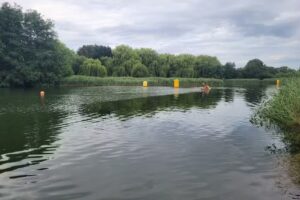
BackHarwood Hall (Parklands) Lake offers a compact yet characterful setting for anglers and visitors who enjoy calm surroundings and relaxed bank time rather than a heavily commercial complex. The water is commonly referred to as Parklands Lake and sits within Parklands Open Space, giving it a more natural feel than many purpose-built commercial fisheries. Managed angling, mixed coarse stocks and a relatively tucked‑away location make it an appealing option for those who value peace as much as they value their catch.
The lake is controlled by Becmain Angling Society, which treats Harwood Hall as one of its key mixed coarse venues, known for good numbers of fish and the potential for sizeable carp. This club management structure means access is primarily aimed at members, with day tickets available under defined conditions, so it sits somewhere between a club water and a fully open commercial venue. For potential visitors, this brings the reassurance of rules and regular oversight, but also means that casual, unplanned trips may require a little more preparation than driving up to a pay‑on‑the‑bank fishery.
From an angling perspective, the main draw at Harwood Hall is the chance of quality carp alongside varied coarse species in a relatively intimate setting. Reports from local angling sources suggest carp running into the mid‑twenties, with some venues listing Parklands among carp fishing lakes where fish approach or exceed 25 lb. Alongside carp, the venue is noted for roach, rudd, crucians and perch, giving it the feel of a traditional mixed coarse water rather than a single‑species “runs water”. This balance makes it attractive both to dedicated specimen anglers targeting larger carp and to those who simply enjoy steady bites throughout a session.
The water’s character is shaped by its setting in mature parkland, with tree cover, marginal vegetation and areas of lilies that contribute to both its beauty and its challenges. Visitors often comment on the sense of calm once you get away from the nearby road, with the lake feeling surprisingly secluded given its urban edge location. For many anglers, that atmosphere is as important as the catch rate, and it is one of the reasons Harwood Hall is regularly mentioned when people discuss relaxing coarse fishing venues in the area.
Reviews and first‑hand accounts emphasise that the lake works as much as a place to unwind as it does a dedicated angling destination. Anglers and walkers alike mention using the banks for quiet walks, reading, or simply watching wildfowl moving across the water, highlighting that it occupies a grey area between park lake and traditional fishery. From a potential customer’s point of view, this means Harwood Hall suits those who want more than just a peg and a keepnet; it appeals to people who see a day’s fishing lake visit as a chance to switch off and spend time in green surroundings.
Access is relatively straightforward, with pedestrian entry via Corbets Tey Road and vehicle access and parking from Park Farm Road, giving anglers the option of a short walk or direct car park access. Several visitors point out that the car park is a genuine asset, providing parking close enough for those carrying heavier tackle or with limited mobility, though the turn in and out of the site can be tight and requires care due to fast‑moving traffic. Within the park, paths around much of the lake are described as firm underfoot, making it possible for anglers with mobility needs and families with pushchairs to reach many swims in reasonable conditions, though extra caution is advisable in wet or icy weather.
The venue is also highlighted as having a generally inclusive layout, with sturdy paths and a largely level approach to many pegs, something that benefits wheelchair users and those relying on mobility scooters. However, anglers note that there are no formal safety barriers at the water’s edge, and purpose‑built accessible fishing platforms are lacking, which may limit confidence for some visitors with additional access needs. For potential customers, especially families with young children, this is worth bearing in mind: the natural banks contribute to the charm of the lake, but they also demand a little extra care and supervision.
When it comes to pure angling quality, Harwood Hall is generally spoken of positively, yet there are clear areas where the water is still developing or could be improved. Anglers who focus on carp lake venues appreciate that the water holds fish of a respectable size, and that it offers a realistic chance of a better‑than‑average fish without the pressure and crowds associated with some high‑profile commercial complexes. On the other hand, feedback mentions that weed growth and thick lilies can make certain swims and methods difficult at times, especially for less experienced anglers who may not be used to presenting baits in and around heavy cover.
Comments from regulars indicate that the lake can be “too weedy” in places and that the lilies would benefit from more thinning to open up water and reduce snagging. For some anglers, this adds to the natural challenge and rewards accurate casting and thoughtful swim choice, echoing the feel of more traditional estate lakes. For others, particularly newer anglers or those bringing children for their first sessions, the vegetation can feel like an unnecessary obstacle and may lead them to favour more manicured day ticket fishing venues nearby.
Another point potential visitors should consider is the structure of access and rules, which reflects the fact that Harwood Hall is run by an angling club rather than a fully commercial fishery. Fishing is described as being on a membership basis, with day passes available, so anglers need to ensure they understand the current arrangements before arrival, including any club‑specific requirements such as barbless hooks, safe rigs and limits on the number of rods. While this can mean slightly less spontaneity, it does support fish welfare and helps maintain a respectful atmosphere on the banks, which many experienced anglers value.
Night fishing is another area where expectations need to be managed. Some local information sources note that formal night fishing options at Parklands have historically been limited or restricted to specific banks or ticket types. More recent arrangements in the wider area have seen separate operators offering night tickets on certain waters under clear terms, but Harwood Hall itself is generally not presented as a dedicated night‑session venue in the way some large carp fishing complexes are. Anglers whose main interest is extended overnight sessions may therefore find other waters more suitable, while day anglers and short‑session visitors will likely find the existing timetable adequate.
Stock balance and average stamp of fish are widely regarded as strengths. Harwood Hall is recognised as a good introduction to coarse fishing lakes for juniors and returning anglers, thanks to its range of species and regular action, yet it still gives more seasoned anglers a realistic shot at bigger carp. Some independent write‑ups of Parklands emphasise that it is regularly visited by carp anglers precisely because it combines accessible fishing with the possibility of a larger fish, rather than simply offering endless small fish.
For families and non‑angling companions, the surrounding parkland enhances the experience, providing space for gentle walks, photography and quiet time away from the pegs. Visitors praise the small wooden bridge and stepped feature near the car park, where flowing water creates a mini‑waterfall effect that adds visual interest and a pleasant background sound. This kind of detail matters when choosing between fishing lakes: some are purely functional, while Harwood Hall offers a blend of amenity and natural charm that many customers appreciate even if they are not fishing every minute of the visit.
Safety and awareness are part of the picture too. The lack of fencing at the water’s edge and the proximity of deep margins mean anglers with children or dogs must exercise sensible caution, especially when banks are slippery. The lake’s location near a reasonably fast road also means extra care is needed when entering and leaving the car park, a minor but recurring theme in visitor feedback.
Harwood Hall also sits within a broader local scene of fishing lakes in Essex, where it competes with fully commercial venues and other club‑controlled waters. Nearby complexes with multiple lakes, tackle shops on site and very high stocking densities will appeal to those who want maximum convenience and almost guaranteed rapid sport. In contrast, Harwood Hall positions itself more as a club‑style lake that blends parkland surroundings, mixed species and controlled access, making it a more measured choice for anglers who value atmosphere as much as numbers of fish.
For potential customers weighing up the positives, Harwood Hall offers a peaceful setting, varied stock, realistic chances of quality carp and the structure and oversight that come with club management. The drawbacks mainly relate to practical details: weed and lilies that can be challenging in some swims, limited or structured night‑fishing options, modest on‑site facilities compared with larger commercial sites and the need to plan around membership or day ticket arrangements. Taken together, these points make Harwood Hall (Parklands) Lake a solid option for anglers looking for a calm, traditional‑feeling coarse fishing lake that still offers the excitement of bigger fish, provided they are comfortable with a slightly more natural banking and a club‑style approach to access.