
Hatchlands Trout Farm
BackHatchlands Trout Farm is a small stillwater fishery that appeals to anglers who value character, personal attention and a focus on quality trout fishing over large‑scale commercial polish. Set in the countryside near South Brent in Devon, it combines a traditional stocked lake with the slightly eccentric charm of resident peacocks, chickens and even an emu. For potential visitors looking for a day of fly fishing for hard‑fighting trout, it offers a distinctly hands‑on experience where the owner is closely involved in day‑to‑day management and guidance.
One of the strongest aspects frequently mentioned by visitors is the standard of the fish and the style of fishing encouraged on the water. Regulars describe the lake as being at its best with short rods, light leaders and small patterns, especially when dry flies are effective in warmer months. This makes Hatchlands attractive for anglers who enjoy more technical trout fly fishing, focusing on careful presentation rather than casting long distances with heavy gear. Those who appreciate subtle takes and surface activity often find the water rewarding, particularly when hatches are good and fish are cruising confidently.
Several anglers highlight how welcoming and supportive the owner can be, particularly for newcomers. First‑time visitors who arrive as complete novices have spoken about receiving clear guidance on where to stand, how to cast and what flies to use, with enough personalised advice to turn an uncertain start into a successful session. That kind of on‑bank coaching is not guaranteed at every trout fishery, and it can make a big difference to the enjoyment and confidence of less experienced anglers. For families or mixed‑ability groups trying fly fishing for the first time, this personal help can be a major positive.
There are also comments from visitors who brought friends or family members with very limited experience, including people who had only cast a fly once before. In these cases, the owner has been known to lend tackle, set up outfits and select suitable flies to give beginners the best possible chance of connecting with a fish. For many people, that first trout on the fly is a memorable milestone, and stories of guests catching their first fish here suggest Hatchlands can be a good stepping stone into regular game fishing. Those planning a family outing with a mix of keen anglers and curious newcomers may find this particularly appealing.
The setting itself divides opinion slightly but is certainly distinctive. Instead of a minimalist, manicured trout lake, Hatchlands mixes the water with free‑roaming birds, crowing cockerels and the unusual sight of an emu in a pen near the fishery. Some anglers find this quirky, entertaining and part of the farm’s character, turning a standard day ticket fishery into something more memorable. Others note that the constant animal noise can detract from the quiet, contemplative atmosphere they associate with traditional fly fishing lakes, especially for those who go fishing mainly for peace and silence.
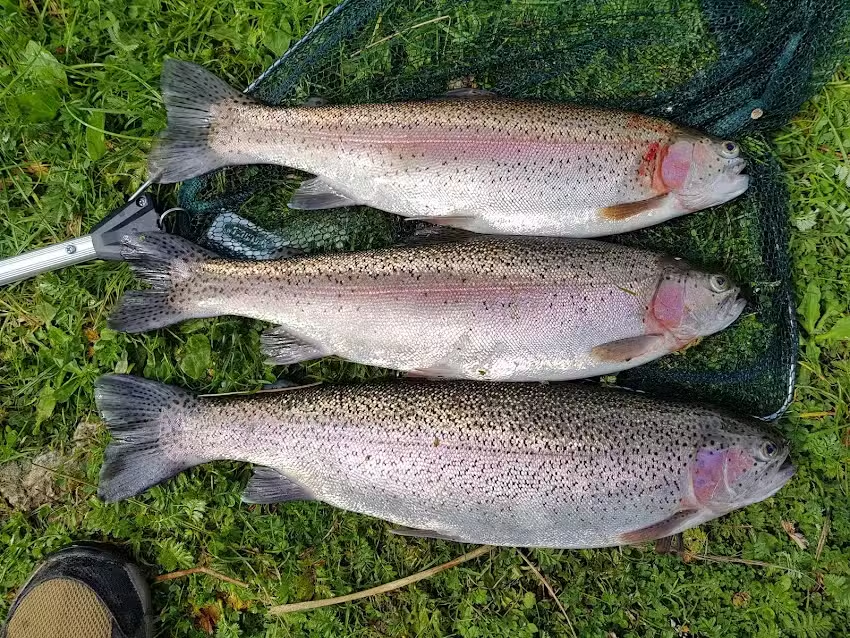
In terms of catch potential, there are very different experiences reported, which prospective visitors should weigh carefully. On good days, anglers comment that fish are clearly visible, active and willing to take, sometimes resulting in very quick limits. A few visitors mention that they landed their ticketed fish much faster than expected, to the point of wishing there was an option to move to a catch‑and‑release arrangement afterwards. This suggests that, when stocking is fresh and conditions are favourable, the fish respond aggressively, providing exciting sport and powerful fights on light tackle.
On the other hand, there are also accounts of slower sessions, especially when the water has seen heavy angling pressure in the days before. Some visitors have reported blank days or only one fish between two anglers despite paying for multiple rods, even under conditions they felt were close to ideal. In these situations, it has been noted that the owner has explained that the lake has been “hammered” and is due for restocking. These reports raise valid questions about how frequently and generously the lake is stocked and whether the number of fish present always matches the level of angler demand on busy weeks.
For potential customers, that contrast means expectations should be set realistically. Hatchlands is not presented as a heavily stocked commercial water where almost every cast leads to a pull. Instead, it behaves more like a modest fly fishing venue where fish can be wise after several days of pressure and where success may require careful fly choice, delicate presentation and persistence. Anglers who enjoy a challenge and are prepared to adapt their tactics throughout the session may appreciate this more than those who expect near‑guaranteed catches from a highly stocked pool.
The way tickets are structured also influences the overall experience. Visitors often fish on a limited‑fish ticket: once the bag limit is reached, the session ends. For holidaymakers hoping for a full day on the water, this can be a mixed blessing. Landing two strong trout quickly on effective patterns can feel satisfying but may leave keen anglers wishing that a catch‑and‑release option existed to continue fishing without necessarily taking more fish home. When planning a visit, it is worth considering how many hours you would like to spend casting and whether you are comfortable with a bag‑limit format rather than an all‑day catch‑and‑release trout fishing ticket.
The owner’s communication about conditions is generally seen as open, which helps manage expectations to a degree. Some anglers note that they were warned before starting that the fish had seen a lot of pressure and that restocking was due later that day. While this transparency is appreciated by some, others feel that if a fishery is aware that the water has been heavily fished with limited recent stocking, ticket prices and stocking schedules should reflect that more clearly. For discerning anglers comparing several trout fisheries in the region, this balance between honesty, stocking policy and value for money is an important point to consider.
On the positive side, Hatchlands’ scale means it can feel personal and relaxed rather than crowded and impersonal. With relatively modest angler numbers compared with larger commercial complexes, there is space to work different parts of the bank, adjust approaches and, when fish are moving, track them as light and weather change. The presence of visible fish cruising adds to the appeal for sight‑fishing enthusiasts, making polarised glasses and subtle trout flies an important part of the visiting angler’s kit. For those who like reading water and targeting individual fish, this can be more engaging than casting blind into featureless depths.
The water itself supports tactics that reward finesse, which is attractive to many fly anglers. Short rods and light lines encourage delicate casts close to the bank, targeting features and channels where trout patrol. Small nymphs, buzzers and dries are often mentioned as productive, especially when matched carefully to natural insects on or just under the surface. Anglers who are used to stillwaters dominated by large lures and heavy sinking lines may find Hatchlands a refreshing change that pushes them towards more refined fly fishing techniques.
For novices, there are clear advantages that go beyond instruction. The relatively contained size of the water, the opportunity to see fish, and the focused style of fishing can reduce the intimidation that sometimes comes with larger reservoir fly fishing venues. Having someone on hand to suggest simple, forgiving setups and basic casting tips can quickly turn uncertainty into enjoyment. Several accounts from new anglers show that a first outing here can lead to regular weekend visits, suggesting that the fishery has played a role in building long‑term interest in trout angling.
However, anglers who value absolute quiet and a purely fishing‑focused environment might feel differently. The constant presence of farm animals and their accompanying noise, while charming to some, can be distracting to others who associate fly fishing holidays or day trips with near‑silence and minimal disturbance. Those who are particularly sensitive to sound or who want an almost meditative experience beside the water may consider whether this mix of fishery and small animal collection suits their preferences.
Accessibility is another practical consideration. The fishery is reached by country roads and sits directly beside the water, which may be helpful for anglers carrying multiple rods, nets and bags of fishing tackle. Level access along parts of the bank and the general layout can make it easier for those who prefer shorter walks from car to peg. This can be useful for older anglers or families with children, where the distance between parking and water’s edge can often decide how enjoyable the day becomes.
In terms of atmosphere, regulars often describe Hatchlands as friendly and informal. There is a sense that many visitors return, building familiarity with both the owner and the water’s moods across the seasons. Over time, this can help anglers learn when stocking tends to be strongest, which areas fish favour in different conditions and what patterns work best. For those willing to invest several trips rather than expecting everything from a single visit, the fishery can provide a sense of progression and developing skill, particularly in more technical aspects of stillwater fly fishing.
Prospective visitors weighing up their options should therefore see Hatchlands Trout Farm as a small, characterful trout fishery with clear strengths and some limitations. On the positive side, there is helpful on‑bank support for beginners, a focus on lighter, more refined tactics, and fish that can fight well and sometimes provide fast action when conditions align. On the negative side, catch rates can drop notably after heavy angling pressure, some visitors feel stocking levels and value for money could be more consistent, and the constant background of animal noise is not to everyone’s taste.
For anglers who appreciate a personal approach, enjoy technical fly fishing for trout and do not mind a setting that mixes livestock with a stocked lake, Hatchlands may offer an enjoyable and memorable day. Those seeking a quiet, heavily stocked, almost guaranteed‑catch experience might prefer to compare it with other local trout fisheries before deciding. As with many smaller waters, the key is to arrive with realistic expectations, an open mind and a willingness to adapt tactics to the mood of the fish on the day, making the most of the owner’s knowledge and the opportunities the water presents.