Helensburgh Pier
BackHelensburgh Pier is a compact waterfront pier that appeals to a wide mix of visitors, from casual walkers to local anglers looking for an accessible spot to cast a line. It combines attractive views over the Clyde estuary with simple, practical facilities and a promenade-style layout that makes it easy to spend an hour or two watching the water, trying a bit of sea fishing, or just sitting on one of the benches. While it is not a dedicated commercial angling venue and it has its limitations, the setting and recent improvements around the waterfront mean it continues to draw people who value a relaxed, low-pressure place to enjoy the coast.
One of the main reasons Helensburgh Pier attracts anglers is its straightforward shore access. There is free parking nearby, reducing the usual hassle of unloading tackle and cool boxes for a short fishing session. From the parking area it is only a short walk to the pier, and the surface has been resurfaced on the masonry section as part of wider waterfront works, which makes wheeled tackle boxes and trolleys easier to handle. The pier is open to the public at all hours, which enables flexible early-morning or late-night shore fishing sessions when fish activity is often higher and the area is quieter for more focused angling.
The pier’s location on the Firth of Clyde means anglers have a realistic chance of picking up common inshore species such as mackerel in season, as well as flatfish in suitable conditions. Local reports mention seeing decent-sized flat fish and smaller species caught here, which aligns with the broader species mix recorded around Helensburgh, including mackerel, mullet and other ground-feeders that patrol the nearshore areas. For many visitors, the pier functions as a convenient, low-cost way to try sea angling without booking a boat or travelling to more remote rock marks, making it especially appealing for beginners, occasional anglers and families.
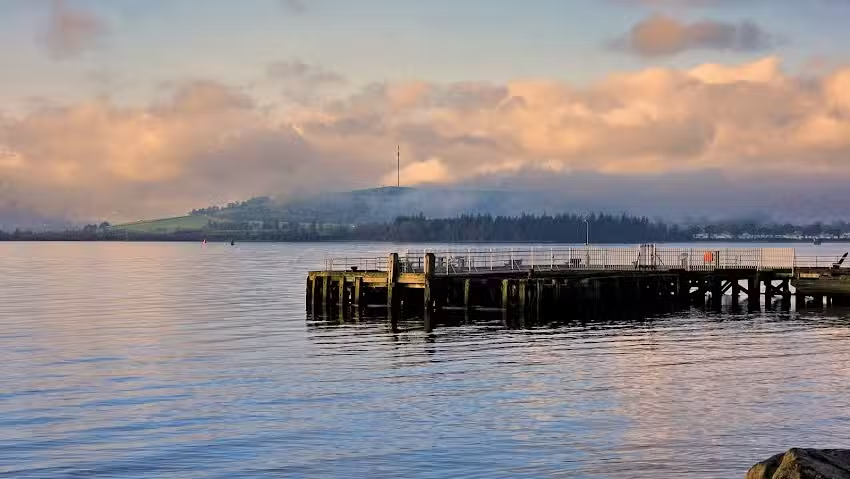
Scenery is another strong point that sets Helensburgh Pier apart. Visitors frequently comment on the panoramic views across the Clyde, including distant shipping, the surrounding hills and, in clear conditions, the well-known “sugar boat” wreck visible out in the water. Sunrises and sunsets can be particularly striking, with sunlight reflecting off the waves and creating a pleasant backdrop for a relaxed fishing trip or an evening stroll after work. Benches at the end of the pier give both anglers and non-anglers a chance to sit, watch the water and enjoy the views without needing to stand at the railings the whole time.
In addition to the visual appeal, basic conveniences are close at hand. Public toilets near the pier are noted for being clean and reasonably maintained, even though they carry a small charge, which many visitors see as acceptable given the upkeep required. Cafes, bars and restaurants are a short walk away, allowing anglers to combine a few hours of pier fishing with a meal or hot drink without needing to drive elsewhere. This mix of simple facilities and nearby services gives the pier a practical edge for people who want an uncomplicated day out rather than a highly specialised angling destination.
The broader regeneration of the waterfront has also influenced how the pier feels to visiting anglers. Investment in a new leisure centre, associated public realm improvements and works to the masonry section of the pier have helped give the immediate surroundings a cleaner, more organised look. Lighting improvements and resurfacing add to the sense of safety and comfort, particularly in the darker months when early evening sessions can otherwise feel exposed. For someone bringing children to try bait fishing for the first time, these elements contribute to a setting that feels approachable rather than intimidating.
However, it is important for potential visitors to understand that Helensburgh Pier is not a fully dedicated fishing pier built purely around angling needs. Historically, parts of the structure, particularly the older timber section, have suffered from deterioration and underuse, leading to marine closure notices for vessel traffic and a clear contrast between the refurbished masonry pier and the ageing wooden elements. Campaigns and proposals have been put forward to regenerate the timber section for modern use, including better integration with boat access and possible yacht moorings, but progress depends on funding and long-term planning. For shore-based anglers this means that while the accessible area is usable, the pier does not yet offer the full variety of platforms and levels that some more specialised angling spots provide.
Because of the mixed condition and shared use, anglers need to arrive with realistic expectations about the fishing itself. The pier can produce fish in the right conditions, especially on a rising tide and during periods of greater seasonal activity, but catches are not guaranteed and the water immediately around the structure does not offer the same depth or complex ground that you might find around offshore rock marks or purpose-built harbour walls. This makes the pier better suited to relaxed, opportunistic pier angling with light gear rather than serious specimen hunting. Those who come for a pleasant sit-down with a chance of a few bites generally leave more satisfied than those expecting fast-action sport.
On busy days, particularly in good weather, the pier can also feel quite shared between different types of visitor. Walkers, photographers, families and people just looking for a place to sit all use the same space as anglers setting up rods and tripods. For most visitors this atmosphere is part of the charm, but it does demand a bit of courtesy and patience. Anglers may need to keep gear tidy, be thoughtful about casting and accept that there will be times when lines must be watched carefully to avoid tangling with passers-by or other rods. Those who are used to more secluded sea fishing marks might find this shared use limiting, especially if they prefer a very quiet environment.
The absence of dedicated angling infrastructure is another factor to weigh up. There are no built-in rod holders, fish-cleaning stations or tackle kiosks on the pier itself, so visitors must bring all their own gear and be prepared to take everything away again. This is typical of many public piers rather than a specific weakness, but anglers planning longer shore angling sessions should consider how they will handle bait, storage and comfort. The benches help, but there is limited shelter from the wind and rain, and conditions can change quickly out on the water, so suitable clothing and a simple seat box or lightweight chair can make a big difference.
Despite these limitations, feedback from people who have used the pier for both leisure and angling remains broadly positive. Many appreciate the simplicity of being able to park, walk a short distance and start fishing without complex access arrangements or fees. Others highlight the calm feeling of watching the tide and light change over the Clyde, which can be just as valuable as the number of fish caught. For newcomers to coarse fishing or spinning in saltwater, the pier offers a forgiving environment in which to practise casting, experiment with rigs and let children experience their first sessions in relative safety.
Community interest in the pier’s future adds another dimension that may appeal to some visitors. Local groups and initiatives have argued for further regeneration of the structure, not just to restore its historic character but also to broaden its use for boats, events and outdoor recreation. For anglers, a fully revitalised pier could eventually mean improved access to deeper water, more varied rock fishing opportunities around adjacent structures and potentially better integration with visiting boats or charters. At present, those benefits are still in development, but the ongoing discussions highlight that the pier is seen as a valued asset rather than a forgotten corner of the waterfront.
For potential customers considering a visit specifically with fishing in mind, Helensburgh Pier is best viewed as a convenient and scenic location for casual sessions rather than a high-performance hotspot. Strengths include all-day access, nearby amenities, tidy public areas and views that make even a quiet day on the rod feel worthwhile. Drawbacks to weigh up include variable fishing results, the lack of dedicated angling features and the fact that some parts of the wider pier structure remain in need of further investment. Those who understand this balance tend to get the most from the venue, treating any fish landed as a welcome bonus on top of a pleasant time by the water.
Ultimately, Helensburgh Pier suits anglers and visitors who value atmosphere and accessibility over pure catch statistics. It offers a straightforward way to enjoy sea fishing from the shore with minimal planning, supported by nearby parking, toilets and food options. While more ambitious anglers may prefer to treat it as a starting point before venturing to deeper marks or booking fishing charters elsewhere on the Clyde, many people will find that a few hours here provide exactly what they are looking for: a comfortable place to cast a line, watch the water and unwind in a setting that continues to benefit from ongoing attention and improvement.