
Hoddlesden Reservoir
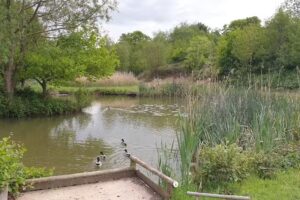
BackHoddlesden Reservoir is a compact, tree-lined water that has earned a steady reputation among local anglers looking for peaceful coarse fishing rather than a heavily stocked commercial fishery. The setting feels sheltered and calm, with views over surrounding fields and low hills, and this quieter character is one of its main attractions for anyone who wants time with a rod without the bustle often found at larger venues. Access from the roadside and the network of well-kept paths makes it reasonably straightforward to reach most pegs, even for anglers carrying a fair amount of tackle.
The banks are maintained by the local angling club, and that ongoing work shows in the tidy condition of the paths and fishing platforms. Anglers regularly mention that swims are clearly defined, vegetation is controlled without feeling over‑managed, and there is a good number of fishing stands around the reservoir. For visitors arriving with a seat box, holdall and bait bags, being able to move safely and set up without clambering through mud is a practical benefit that sets this water apart from less cared‑for reservoirs.
From a coarse fishing point of view, Hoddlesden Reservoir is best known for its stocks of small silvers, particularly perch and roach, with some skimmers also present. One recent visitor, fishing a full day on a low‑cost ticket, reported over thirty small fish, mostly perch with a scattering of roach and a couple of skimmers, for a total weight of just over seven pounds. Bites were described as very shy, with delicate indications on a light quivertip, which will appeal to anglers who enjoy fine‑tuned presentation and the satisfaction of coaxing cautious fish into feeding rather than hauling in one fish after another.
The same angler, fishing a second rod for carp and bream at various ranges and with a range of baits and quality groundbait, failed to connect with any of the larger residents during the day. This experience underlines a common theme at waters like Hoddlesden: while there is a known head of bigger carp and bream, they can be elusive during standard dawn‑to‑dusk fishing hours. Those who are specifically targeting larger fish may need to accept quieter sessions and treat any big individual as a bonus rather than a certainty.
General feedback suggests that the fish, although often on the small side, are in good physical condition and fight better than their size might suggest. Light tackle, refined rigs and smaller hooks from size 20 through to about 12 can all produce, with single or double maggot remaining a safe, reliable choice. For coarse anglers who appreciate the technical side of fishing, the combination of shy bites and hard‑fighting small fish can offer an engaging challenge distinct from highly stocked commercial pools where fish can be less wary.
Hoddlesden Reservoir operates on a straightforward day‑ticket basis controlled by the local angling association, and prices are generally regarded as inexpensive for a full day’s fishing. Some regulars feel that the value is fair for access to a clean, well‑kept water with healthy stocks of small fish, while others suggest they would pay more if there were a more substantial head of mid‑sized crucians, F1s and F2s to target. This contrast highlights an important point for potential visitors: the venue currently leans more towards natural, traditional coarse fishing than the fast‑paced, match‑style action some anglers seek from heavily stocked commercials.
For many visitors, the appeal of Hoddlesden extends beyond angling alone. Walkers, dog owners and local residents regularly use the paths around the reservoir, commenting on the attractive scenery and the tranquillity of the area. The site is often described as quiet, reflective and suited to those who value a slower pace, which can be a positive for anglers who prefer a relaxed atmosphere and unobtrusive company on the bank.
However, the shared use of the paths and banks can also be a consideration for some coarse anglers. On busier days, particularly when the weather is fine, there may be a steady trickle of walkers passing behind the pegs, which might not suit those who want absolute solitude or who fish with a lot of kit laid out behind their station. The presence of dogs, even well behaved ones, can occasionally cause disturbance close to the water’s edge, so it is worth choosing a peg with this in mind if you want the quietest possible session.
The reservoir’s size and layout make it suitable for a variety of coarse fishing approaches. Pole anglers can work close‑in shelves and margins with light elastics to pick off roach and perch, while waggler and feeder work allows you to probe further out and explore slightly deeper water. A simple maggot feeder or small cage feeder with groundbait and chopped worm, fished on a sensitive tip, is a productive approach when the fish are finicky. Anglers who enjoy experimenting with presentation can adjust hooklength diameter, hook size and shotting patterns through the day to keep bites coming.
For those who are primarily interested in a bags‑of‑fish session with a focus on numbers rather than specimen hunting, Hoddlesden can deliver modest but steady returns. On the other hand, anyone planning a trip solely to chase double‑figure carp or big slabs of bream needs to temper expectations, as the larger residents do not appear to show frequently under normal daytime conditions. This balance between plentiful small fish and rarely‑seen bigger specimens is both a strength and a limitation, depending on what an individual angler is hoping to achieve.
From a facilities perspective, Hoddlesden Reservoir is essentially a natural water with maintained banks and paths rather than a fully serviced commercial complex. There are no on‑site tackle shops or cafés, so visitors should arrive prepared with all necessary bait, tackle, refreshments and appropriate clothing. For some anglers, especially those who prefer a simpler, more traditional coarse fishing environment, the absence of commercial infrastructure is a positive feature that keeps the focus firmly on the water and the fishing.
The maintenance work undertaken by the angling club is frequently mentioned in feedback, and helps keep the venue tidy and accessible. Well‑kept footpaths around the reservoir make it easy to complete a circuit on foot either before settling into a peg or after packing up. This adds a recreational dimension for families or those visiting with non‑anglers, and it also means that anglers can walk the banks first to locate likely features such as lily beds, overhanging trees and sheltered corners before deciding where to set up.
The presence of lily beds and marginal features provides both an opportunity and a challenge for coarse anglers. Fishing tight to pads can be productive for perch and roach, but also calls for accurate casting and careful playing of fish to prevent hook pulls or lost rigs. Anglers who enjoy fishing light tackle near snaggy cover will find the reservoir offers enough structure to test their skills without being excessively difficult or snag‑ridden.
As a venue that is open around the clock, Hoddlesden Reservoir also offers the potential for varied fishing across different times of day, although visiting anglers should always check current club rules regarding night fishing and permissible hours for certain tickets. Early mornings and late evenings often see increased fish activity in many coarse waters, and anglers who can adjust their visit to coincide with these feeding windows may find improved results, particularly when targeting slightly better‑sized fish.
One aspect that prospective visitors should consider is that the reservoir’s character is unlikely to suit every style of coarse angler. Those seeking a commercial carp fishery with high stocking density, match‑style peg spacing and regular keepnet‑busting weights may feel underwhelmed by the returns, especially if they are focused solely on carp or bream. Conversely, anglers who value a calm setting, modest but honest fishing and the satisfaction of building a net of small, hard‑fighting fish through careful feeding and presentation are more likely to appreciate what Hoddlesden offers.
For coarse anglers planning a visit, it is sensible to approach Hoddlesden Reservoir with a flexible mindset. Bringing a selection of light feeder, waggler and pole gear, along with a range of small hooks and baits such as maggots, worms and perhaps a few small pellets, will allow you to adapt to the day’s conditions. Paying attention to subtle indications on the tip or float, feeding sparingly but regularly, and being prepared to scale down tackle if bites are shy can make the difference between a frustrating session and a rewarding one.
Feedback from walkers and anglers alike consistently refers to the reservoir as picturesque and worth a visit for the scenery alone. Clear reflections on calm days, changing light across the hills and attractive sunset views all contribute to an ambience that encourages longer stays by the water. For many coarse anglers, this pleasant environment is an important part of the experience, adding value beyond the number of fish in the net.
Overall, Hoddlesden Reservoir can be seen as a small but well cared‑for coarse fishery that prioritises a natural feel, accessible paths and straightforward day‑ticket access over intensive stocking and built‑up facilities. It provides consistent, if sometimes modest, fishing for perch, roach and skimmers, with the chance—but not the guarantee—of larger carp and bream for those willing to put in the time and effort. Potential visitors who understand these strengths and limitations in advance are better placed to decide whether this reservoir matches their expectations for a day’s coarse fishing.
Strengths for coarse anglers
- Peaceful, scenic setting with a calm atmosphere that suits anglers who prefer a relaxed session.
- Well maintained banks and footpaths, thanks to the local angling club, making access and movement around the water easier.
- Plenty of small perch, roach and skimmers to keep a light feeder or float rig active when conditions are right.
- Day‑ticket access at a low price point, offering affordable coarse fishing for local and visiting anglers.
- Natural features such as lily beds and marginal cover that reward careful bait placement and light tackle presentation.
Potential drawbacks to consider
- The known larger carp and bream can be reluctant feeders during typical daytime hours, so specimen‑focused trips may be hit and miss.
- Many of the fish currently caught are on the small side, which may not appeal to anglers seeking heavier bags or larger individual fish.
- Shared use with walkers and dog owners can mean occasional foot traffic behind pegs, particularly in good weather.
- Lack of on‑site facilities such as a tackle shop or café means anglers must come fully prepared for their session.
- Those who prefer heavily stocked commercial carp venues may find the fishing comparatively slow and technically demanding.
For anyone looking for a straightforward, affordable and quietly satisfying coarse fishing session, Hoddlesden Reservoir offers a blend of natural surroundings, well kept banks and honest, if sometimes challenging, sport. Anglers who arrive with realistic expectations, flexible tactics and an appreciation for subtle, shy bites are likely to find that this modest reservoir has more to offer than its size might first suggest.