
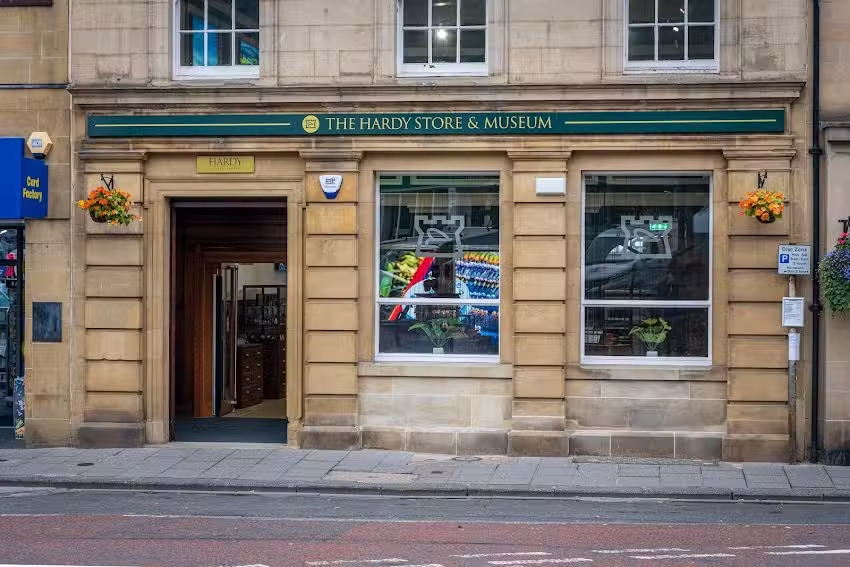
House of Hardy Fishing Tackle Museum
BackHouse of Hardy Fishing Tackle Museum brings together living angling heritage, a specialist retail store and a compact exhibition of historic tackle, all under one roof at 30 Bondgate Within in Alnwick. Visitors find a blend of shop and museum, where modern fishing rods and reels sit alongside more than a century of Hardy innovation, attracting both committed fly anglers and curious newcomers who want to understand why this name has become so significant in game angling history.
The museum focuses on the evolution of Hardy from a small workshop founded in the 1870s into one of the best-known makers of premium fishing tackle. Displays show original rods, classic reels and associated accessories, many of which chart how the brand responded to changes in materials, from early split‑cane through to glass fibre and carbon. Enthusiasts often remark on the pleasure of seeing famous patterns and models they have only read about, while those who are not anglers tend to appreciate the sense of British engineering and craftsmanship that runs through the exhibits.
One of the recurring highlights for knowledgeable visitors is the cabinet dedicated to the Hardy Perfect reel, still referenced by the company as a symbol of long‑lasting design. The museum presents this and other pieces not simply as nostalgic curiosities, but as working tools that shaped how people actually fished rivers and coasts over the last century. Timelines and explanatory notes help place individual items into a broader narrative, showing how tackle development mirrored changes in leisure time, travel and technology.
Alongside the historical material, the store is a fully functioning tackle shop with a comprehensive range of fly fishing gear. Customers can expect to see current Hardy and Greys rods, modern fly reels and carefully chosen lines, leaders and terminal tackle. Reviews frequently stress that the choice is not confined to the highest‑priced items; while the brand is known for premium equipment, there are setups and accessories suited to anglers who are building their kit progressively rather than buying an entire outfit at once.
Staff are consistently described as friendly, knowledgeable and willing to give time to each visitor, whether they are investing in an advanced salmon rod or simply asking for local advice. Several anglers mention long conversations in which team members asked detailed questions about where and how they fish, then suggested rods and lines to match those conditions rather than steering them straight to the most expensive option. This hands‑on approach appeals to beginners and experienced anglers alike, giving the feel of an old‑fashioned specialist shop rather than an anonymous retail counter.
There are accounts of staff spending well over an hour with a new angler, explaining basic setups, helping them select a first outfit and answering questions in straightforward language. Others recall returning after many years away from the brand and finding the same willingness to chat about techniques, fly reels, local river levels and productive patterns for salmon, sea‑trout or sea fishing. This kind of interaction means the shop often functions as an informal advice hub, where customers can talk through their plans before committing to a purchase.
For existing Hardy owners, the museum gives context to tackle already in their possession. Several visitors comment on recognising older reels handed down from relatives and then seeing similar models in the display cases, together with notes about production dates and design changes. This can be particularly satisfying for those who have inherited equipment but never knew its background, turning a utilitarian tool into a documented piece of angling history.
The layout of the business means that the museum is located above the sales floor, and this has clear implications for accessibility. Access is via a narrow staircase, which many able‑bodied visitors describe as steep but manageable. However, wheelchair users and those with limited mobility repeatedly point out that they cannot reach the exhibits at all, which understandably leads to disappointment for disabled anglers who may have travelled specifically to see the collection.
Some reviewers contrast earlier experiences at a previous site, where they felt the museum atmosphere was particularly relaxed and inclusive, with more recent impressions of the current premises. A small number report feeling overlooked when entering the shop, as if staff assumed they would not be serious customers. While these accounts sit alongside many positive comments about attentive service, they do highlight that experiences are not uniform and that first impressions can vary depending on how busy the team is and how confidently a visitor presents themselves.
For many anglers, the strength of the venue lies in its dual role as both a retail outlet and a living archive. Those in search of high‑end fly rods often see a visit as an opportunity to try hardware in person, flexing different models, discussing line pairings and weighing up subtle differences in action. Others come primarily for the museum, treating any time spent browsing new tackle as a bonus rather than the main objective. In both cases, the combination of heritage and contemporary products sets the business apart from general outdoor stores.
Non‑anglers accompanying partners or family members have mixed reactions. Some find the museum engaging even without a background in angling, especially when they focus on the story of a long‑running British manufacturer adapting to global competition and changing consumer tastes. Others feel that, without an existing interest in fishing gear, the displays can seem like a dense collection of rods and reels with limited broader appeal, which may shorten the time they wish to spend upstairs. This difference is natural for a specialist attraction, but worth bearing in mind for groups.
The retail side also raises expectations given the reputation of the brand. Hardy equipment is widely recognised as premium, and visitors comment that prices reflect that position. For some, this is exactly what they want: a chance to invest in a top‑tier trout or salmon setup, backed by expert advice. For others, especially international visitors dealing with currency differences, the cost of a rod or reel may feel prohibitive. The presence of more affordable Greys products and budget‑conscious options goes some way to balancing this, but House of Hardy remains a destination for those who value quality over bargain pricing.
The museum’s emphasis on British manufacturing is one of its most distinctive elements. Information panels explain how the company moved from craft‑based production into more modern methods while trying to retain the feel and performance that anglers associated with the name. For visitors interested in industrial history, this provides a perspective on how a niche manufacturer can survive in the face of cheaper imported fishing equipment, particularly from larger overseas factories. It also underlines why certain models, such as the Perfect reel, are still spoken of with respect decades after their introduction.
Practical aspects of a visit receive generally favourable comments. Travellers often manage to combine a stop at the museum with other activities in Alnwick, treating it as a focused visit that can comfortably fit into part of a day. The compact nature of the display means that, once someone has climbed the stairs, they can see the collection in a relatively short time, then spend longer in the shop if they wish. Those planning a dedicated trip for the museum alone may want to factor in their own level of interest, as a casual look around will naturally take less time than a detailed inspection of every cabinet.
The business also interacts with anglers beyond individual sales. Social media posts show links with local angling initiatives and clubs, including groups for disabled fishers, suggesting an intention to remain connected to the wider community rather than functioning solely as a showroom. At the same time, the physical inaccessibility of the upstairs museum stands in contrast to this outreach, and is a recurring concern for reviewers who feel that modern venues should do more to accommodate visitors with mobility needs.
Prospective visitors who are passionate about fly fishing are likely to find House of Hardy Fishing Tackle Museum particularly rewarding. The chance to handle current Hardy and Greys rods, talk directly with staff who understand casting styles and river conditions, and then step upstairs to see the lineage of those products, creates a coherent experience that online shopping cannot match. For those just starting out, the depth of advice and the opportunity to build a tailored setup can be a strong reason to call in while travelling through Northumberland.
At the same time, there are clear limitations that potential customers should consider. Access to the museum relies on climbing a tight staircase, which will exclude some disabled anglers and may be challenging for anyone uncomfortable on stairs. The specialised nature of the collection means that non‑anglers might appreciate the visit more as a short, focused stop rather than a major outing. Prices on higher‑end fishing reels and rods reflect the premium status of the brand, so anyone on a strict budget may prefer to concentrate on mid‑range options or accessories.
Overall, House of Hardy Fishing Tackle Museum presents a largely positive experience for those with an interest in angling history and quality fishing tackle, combining attentive staff, a well‑stocked shop and a compact but detailed museum. Feedback points towards particularly strong service for customers who engage with the team and ask for guidance, while also highlighting areas where the venue could improve, especially around physical accessibility and the way some visitors feel they are initially assessed. For many anglers, though, it remains a notable stop where heritage and practical equipment come together under a name that has shaped generations of British game fishing.
