Inveraray Pier Project
BackInveraray Pier Project is a community-led initiative focused on bringing a historic waterfront back into everyday use, blending heritage, access to Loch Fyne and simple pleasures like walking, photography and time by the water. It is not a commercial angling operation in the strict sense, yet it has become a quiet focal point for visitors who enjoy the atmosphere of the loch, watching boats and, for some, using the shoreline and nearby waters as an informal base for leisure angling and coastal activities.
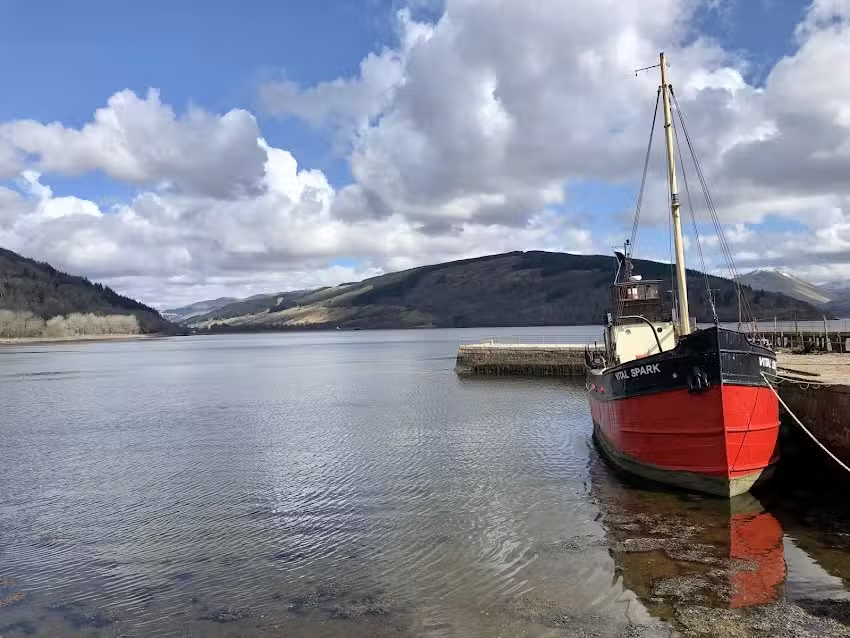
The stone section of the pier has recently been restored and reopened after a decade of closure, and this is where the project’s strengths are most visible. Visitors praise the peaceful walk along the pier, describing wide views across Loch Fyne, distant hills and the gentle movement of boats as the main reasons to spend time here. Those looking for an easy, low‑key outing find that the flat surface and open layout make it straightforward to wander, sit, take photographs or simply enjoy the sea air without needing any specialist equipment.
For anyone interested in the history of Scotland’s coastal infrastructure and traditional working waterfronts, this pier is part of a long story. The original 100‑foot structure dates back to the eighteenth century and has served fishing, transport and small‑scale commercial traffic at different points in its life. Recent community action, led by Inspire Inveraray and supported by funding partners, has moved the site from neglected private ownership into community hands, which means decisions about future use, including how the waterfront supports recreational activities and small boats, are now made locally.
From the point of view of someone searching online for a scenic waterside stop that can sit alongside visits to local fishing lakes, coastal fishing charters or nearby tackle shops, Inveraray Pier Project stands out for its setting rather than for specialised angling infrastructure. The pier itself currently offers no dedicated bait counters, retail units or gear hire; instead, it functions as a public promenade with views of the loch and a platform that, once fully restored, is intended to support marine access, boat trips and water sports.
One of the most frequently mentioned positives in visitor feedback is the calm, unhurried character of the place. Guests describe it as ideal for a gentle stroll at any time of day, but particularly at sunset, when the shifting light over the water makes for dramatic photographs of the mountains and moored vessels. This relaxed ambience appeals to couples, families and solo travellers who may already have spent time at more crowded viewpoints or commercial attractions and are looking for somewhere quieter to pause.
For people interested in the broader environment around the pier, Loch Fyne offers deep waters, sheltered bays, existing moorings and the sort of coastal conditions that appeal to owners of small craft, paddleboards and kayaks. The project’s long‑term vision is to support mooring for visiting boats, create a safe platform for boarding and disembarking, and provide space for activities such as community events, water‑based recreation and informal gatherings along the waterfront. This approach aligns with the area’s maritime heritage, where small‑scale fishing, boat traffic and local trade have historically relied on simple, robust access points to the water rather than large‑scale marina complexes.
Reviews highlight that the recently restored stone section is the clear success story so far. The masonry has been repaired to a standard that makes the structure safe and visually appealing, bringing back much of the character that had been lost during years of neglect. Visitors note that this part now feels like a natural extension of the town’s seafront, filling a gap that had previously been fenced off or viewed as an eyesore.
However, the timber section of the pier remains closed and is widely recognised as the main limitation of the current offer. Community documents describe its condition as extremely poor, with a clear risk of further deterioration if restoration is delayed. Earlier visitor comments from the period before the stone area reopened mention frustration at the lack of visible progress and the sense that a prime waterfront asset was being underused. While that has improved since partial reopening, the incomplete state of the wooden structure still affects what can be done on site, particularly for potential marine users.
From the perspective of someone comparing different locations that could complement a trip to a local fishing spot, this split between restored and unrestored sections matters. The working part of the pier is currently best suited to walking, sightseeing and photography rather than active angling or boating. Those hoping for a fully operational pier with pontoons, easy boarding for charter boats or facilities similar to a modern fishing pier will find that plans exist, but the infrastructure is not yet in place.
Community organisations and partners have published a clear roadmap for improvement, which is an important consideration when judging the project as a whole. The acquisition of the pier by Inspire Inveraray and the substantial fundraising achieved with the help of Ridge Clean Energy and other supporters show a commitment not just to preserving the structure but to turning it into a functional asset. Plans include restoring or replacing the timber pier, improving access for vessels and using any income generated to support wider community projects, which positions the pier as more than just a scenic viewpoint.
That community ownership model also affects the visitor experience in subtle ways. Instead of a heavily commercialised waterfront lined with private kiosks or ticket offices, the atmosphere remains relatively informal and open. People who value initiatives that protect local heritage and give residents a direct say in how public spaces are managed may find this particularly appealing, as spending time on the pier becomes a way of supporting a long‑term community project rather than simply consuming a service.
At the same time, the absence of commercial operators on the pier itself has practical implications for visitors seeking specific services. There is no on‑site shop selling bait, tackle or refreshments, no formal booking office for boat trips from the structure and no dedicated staff presence focused on tourism retail. Travellers who require these services typically need to combine their waterside visit with stops elsewhere in the town or along their route, which can be either a drawback or an opportunity depending on whether they prefer a single‑site solution or a more varied day out.
Feedback over several years also makes it clear that weather strongly shapes how people experience the pier. Some visitors report memorable views and atmospheric photographs even in heavy rain, describing the loch as dramatic and the pier as a striking vantage point in poor conditions. Others find that cold or wet weather limits how long they wish to stay outside, especially given the lack of sheltered waiting areas or indoor facilities on the structure itself. Potential visitors should bear this in mind, particularly when planning trips that might otherwise focus on more sheltered attractions.
Accessibility is another area where the project shows promise alongside some current limitations. The restored stone section offers a relatively level surface and has been described as accessible, which makes it more welcoming to people with prams or mobility issues compared with uneven shorelines. However, until the timber section is fully addressed and clear routes for boarding vessels are designed, users who depend on highly controlled access arrangements may still find better options at more developed harbours or purpose‑built marinas.
For those thinking about the pier in relation to online searches for fishing gear, bait and tackle or sea fishing, the project currently fits best as a scenic stop that can complement visits to shops and charter providers elsewhere rather than replace them. Anglers may appreciate the chance to survey the loch, assess conditions and enjoy the setting before heading to established fishing spots or booking trips from other locations along the coast. As restoration of the timber section progresses and any future pontoons or moorings are developed, the pier could evolve into a more practical starting point for marine activities, potentially adding value to the area’s wider network of coastal leisure services.
Taking all of this into account, Inveraray Pier Project offers a mix of strengths and limitations that will appeal differently depending on what a visitor is looking for. Its major assets are the restored stone pier, the open access to impressive views over Loch Fyne and the sense of community achievement behind the project. On the other hand, the closed timber section, lack of on‑site commercial facilities and reliance on future funding for full restoration mean that those seeking a highly equipped waterside hub or a dedicated fishing pier may find their expectations only partially met at present.
For potential visitors comparing different coastal stops, the pier suits travellers who value heritage, scenery and community‑driven projects, and who are comfortable pairing their time on the waterfront with other services and activities in the surrounding area. As the restoration continues and more of the structure becomes safe and usable, the project has the potential to add further depth to the local offer, including better access for boats and more space for water‑based recreation and small‑scale events. In its current form, it already provides a simple, attractive setting beside Loch Fyne that many visitors consider well worth including in their plans.