Inverness Angling Club
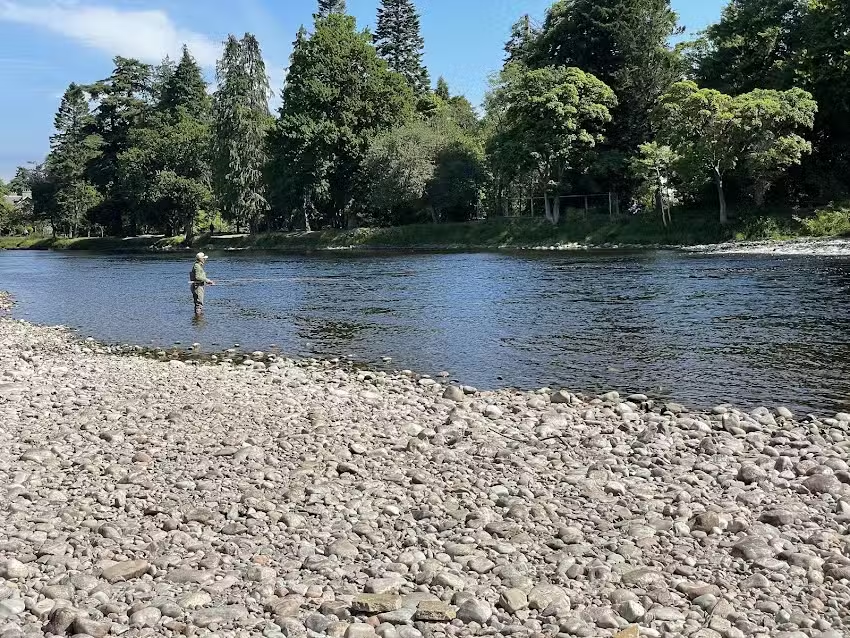
BackThe Inverness Angling Club stands as a longstanding fixture for those drawn to the pursuits of fishing clubs and angling clubs in Scotland. Established over a century ago, it manages a prime stretch of the River Ness, delivering access to waters teeming with potential for salmon, grilse, sea trout, and brown trout catches. Anglers appreciate the double-bank fishing across varied pools that shift from wide and streamy to more sheltered runs, catering to fly fishing enthusiasts who seek the thrill of casting in crystal-clear conditions.
Prime Fishing Opportunities
Members and day-ticket holders target the main salmon runs from June through October, with historical data showing solid averages, such as 178 salmon and grilse over five years up to 2019, though recent figures hover around 75 to 132 annually. The river's reputation draws dedicated fly fishing practitioners, who value the clean waters and the chance to hook sea trout in the estuary or brown trout throughout. Sea trout tickets open up the lower beats, adding variety without demanding full-season commitment.
The club's waters benefit from the River Ness's natural flow, fed by Loch Ness, creating dynamic conditions that challenge skilled casters while offering rewarding hook-ups. Visiting anglers often praise the accessibility for day trips, making it a go-to for River Ness fishing without long-term ties. Facilities like fishing huts along the three-mile beat provide shelter, enhancing comfort during variable Highland weather.
Membership Structure
Full membership targets locals from Inverness and nearby areas like Smithton and Culloden, with juniors under 18 enjoying free entry to encourage young talent in angling. Associate options welcome outsiders from across the UK, fostering a broad community from the north to the south. Concessions reward long-serving adults, reflecting a nod to loyalty among seasoned salmon fishing devotees.
- Day permits suit spontaneous outings, with higher rates in peak summer months.
- Associate passes prove economical for repeated visits over a week or more.
- Exchange permits link to other clubs, expanding horizons to rivers like Beauly or Loch Achonachie.
These arrangements keep entry points affordable compared to private beats, appealing to budget-conscious trout fishing fans seeking value.
Permit Acquisition Process
Prospective members download forms for new applications, submitting to the secretary, while renewals happen at a central tackle outlet. Visitors snag day tickets on-site or via booking platforms, streamlining access for game fishing. Scottish regulations mandate these for legal angling, but no extra rod licences burden participants.
However, the system demands prompt renewals by late March to dodge surcharges, and all must file catch returns—failures incur penalties, which some find administratively burdensome. Day anglers face mandatory releases for salmon and grilse, prioritising conservation over keeps, a rule that frustrates those hoping for table fare.
Strengths in Accessibility and Community
A key draw lies in its openness to newcomers alongside veterans, with free junior slots nurturing future angling club members. The club's century-plus history since 1917 underscores stability, bolstered by ties to the Ness District Salmon Fishery Board for habitat upkeep. Social events, like raffles and gatherings, knit members together, extending beyond mere rod time.
Anglers highlight the river's clarity and fish abundance in personal accounts, with one noting plentiful catches requiring permits—no exceptions—to maintain order. The location's convenience near town appeals to those blending fishing with urban stays, while exchange perks broaden adventures across Scottish waters.
Challenges and Criticisms
Not all experiences shine; limited reviews suggest sparse feedback, potentially indicating low visibility or niche appeal. Administrative hurdles, such as cash-only shop payments or post-based renewals for associates, clash with modern preferences for digital ease. Surcharges for tardy paperwork add friction, alienating casual participants in fishing clubs.
Catch fluctuations plague many rivers, with dips in recent years testing patience despite averages holding steady. Day-ticket restrictions on retaining salmon prioritise stock health but disappoint harvest seekers. Broader angling circles whisper of cliquey vibes in some clubs, though specifics for this one remain anecdotal—new faces might navigate unwritten social norms carefully.
Conservation Commitments
The club enforces strict catch-and-release for certain species on permits, aligning with efforts to sustain runs amid environmental pressures. Mandatory reporting feeds data to boards, aiding management, while sea trout limits protect estuary populations. These measures safeguard the Ness's legacy, ensuring future fly fishing generations inherit viable stocks.
Yet, reliance on member compliance means incomplete returns trigger fines, underscoring a culture of accountability that demands diligence. Boat access on Loch Ruthven adds trout variety, but overall focus stays river-centric, potentially overlooking multi-water anglers.
Facilities and On-Site Experience
Fishing shacks dot the beats, offering respite from elements, with photos capturing scenic banks ideal for River Ness angling. The stretch supports diverse tactics, from fly in streams to spinning in pools, suiting varied skill levels. Proximity to amenities eases gear sourcing, though tackle specifics tie to local shops.
Drawbacks emerge in weather exposure—Highland climes test resolve—and potential crowding during peaks, though beats manage flow. Limited online presence hampers instant bookings, pushing reliance on phone or in-person, a hurdle for remote planners.
Appeal to Different Anglers
For families, junior perks lower barriers, pairing adult outings with youth involvement in trout angling. Solo travellers value day flexibility, while regulars savour exchanges for variety. Sea trout chasers find niche entry, though full salmon pursuits demand commitment.
Novices might struggle without guides, as the club emphasises self-reliance over tuition. Veterans relish the challenge of fluctuating runs, but inconsistent volumes test optimism. Overall, it rewards prepared, permit-abiding enthusiasts over impulsive drop-ins.
Broader Context in Scottish Angling
As a premier angling association, it exemplifies accessible game fishing amid pricier alternatives. Ties to regional boards enhance credibility, with averages outperforming some peers despite variances. Social media buzz via Facebook keeps pulses on events, fostering belonging.
Critics note payment rigidities and rules rigidity could modernise, yet core value persists in quality waters. For potential members eyeing salmon clubs, it balances cost, access, and tradition effectively, tempered by procedural rigour.