Kilwinning Eglinton Angling Club
BackKilwinning Eglinton Angling Club is a long‑established organisation dedicated to providing accessible, well‑managed freshwater angling on a mixture of river and stillwater venues, with a clear focus on conservation and community involvement. Anglers looking for quality coarse fishing and traditional Scottish game fishing will find a combination of stocked and wild fish, structured rules, and a club culture that values both the river environment and its members.
Founded in 1905 with Lord Eglinton as a key early figure, the club has grown from a traditional local society into a modern organisation with several hundred members and a reputation for actively looking after its waters. The heritage is reflected in a structured constitution, a committee of management, and clearly published club rules which set expectations on conduct, seasons, and conservation‑led practice. For potential members this background offers reassurance that permits are backed by a serious, long‑running club rather than an informal arrangement. At the same time, some anglers may find the rulebook quite detailed and formal compared with smaller, more relaxed syndicates, so it suits those who appreciate a structured approach rather than a purely casual day ticket fishery.
Waters and fishing opportunities
The club’s core offering is centred on the River Garnock, with additional access to Lugton Water and Eglinton Loch, creating a varied portfolio of fishing lakes and river beats. Members can fish for salmon, sea trout and brown trout on the river while also enjoying coarse fishing for species such as bream, roach, rudd, perch and pike in the loch, where carp and tench occasionally appear in catches. This mix of game and coarse species allows anglers to tailor sessions to their preferences, whether targeting migratory fish on flowing water or relaxing with ledger and float tactics from purpose‑built pegs.
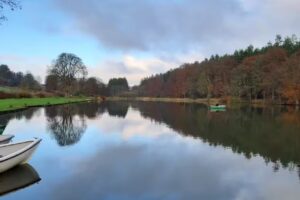
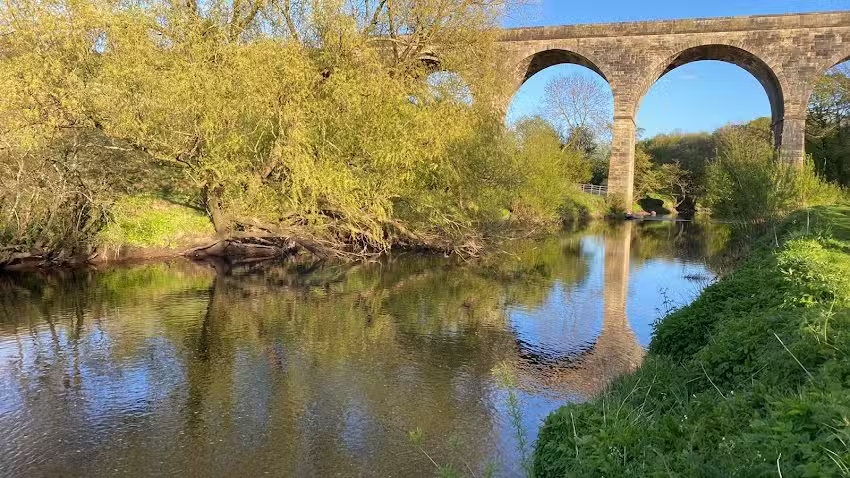
Eglinton Country Park loch, managed for angling permits by Kilwinning Eglinton Angling Club, covers about 6.5 hectares and has around 18 fishing pegs which appeal to both pleasure anglers and those interested in more methodical coarse fishing tactics. It is run on a catch‑and‑release basis, which suits anglers who prioritise sport over harvest and helps protect stocks across busy periods. On the river side, members can access the Kilwinning stretch of the Garnock from the estuary upstream to Dalry Road Railway Bridge on both banks, though certain areas have local restrictions such as fly‑only zones in low water or no‑fishing sections near bridges and private grounds. These detailed boundaries are typical of structured fishing club waters and reward anglers who take time to understand the permitted zones.
Reviews from visitors mention plenty of wild fish and highlight that the banks are well maintained with straightforward access to much of the river, which is important for older anglers or those with limited mobility. Paths and banking work undertaken or overseen by the club mean that many pools can be reached without scrambling, making it a realistic option for family visits and newcomers who may be unfamiliar with rougher river terrain. At the same time, anglers who prefer completely natural, untouched banks may feel that some stretches are a little managed, though this is a reasonable trade‑off for safer access in wet conditions.
Species, seasons and conservation
The Garnock and associated waters offer a combination of migratory salmon and sea trout, resident brown trout, and a good spread of coarse species in the stillwater, giving the club broad appeal to different kinds of anglers. The club operates defined seasons, with brown trout fishing generally open from mid‑March to early October, and salmon and sea trout extending into mid‑November, while Sunday fishing is permitted for brown trout only in line with Scottish legislation. These rules may feel restrictive to those used to more relaxed commercial fisheries, but they are typical of river systems with wild stocks and reflect the need to protect spawning fish.
Conservation is a strong theme in the club’s approach to management. The River Garnock is classed as a Category 2 river, which allows local choice on whether salmon may be retained, yet the club has voluntarily adopted a 100% catch‑and‑release policy for salmon to help safeguard the stock. Rules specify minimum sizes, mandatory return of undersized or foul‑hooked fish, bans on gaffs and illegal methods, and expectations on careful handling of all species. There is even a financial reward for information leading to poaching convictions, underlining how seriously the club takes protection of its waters. For conservation‑minded anglers this framework is a clear positive; for those who prefer to take fish for the table, the emphasis on release may be less appealing, especially in comparison to some commercial trout fisheries where kept fish are the norm.
Access, permits and rules
Access to the waters is controlled through written permission, with permits required before any freshwater fishing can take place, and these are managed through Kilwinning Eglinton Angling Club rather than via a separate park authority. Historically, information has pointed to local tackle outlets for permit sales, and more recently the club has made increasing use of social media and online channels to share updates, contact options and seasonal details. For many, this centralised management is convenient, but first‑time visitors should plan ahead rather than assuming they can simply turn up and fish without prior arrangement.
The club’s rules cover everything from line strength limits and bag limits for trout and sea trout to conduct on the bank, catch returns and interactions with bailiffs. Members are required to carry permits, present bags for inspection when requested by officials, and follow instructions relating to stepping and casting through popular pools so that everybody has a fair chance. Failure to submit catch returns can lead to fines, and serious breaches of rules or fishery law can result in long suspensions. For committed club anglers this level of structure offers clarity and a sense of serious, organised sport; however, casual visitors who just want a relaxed day out may find the framework a little demanding compared with some day‑ticket fishing lakes that operate with fewer formalities.
Community, juniors and wellbeing
Beyond the water itself, Kilwinning Eglinton Angling Club has placed increasing emphasis on its role in the local community and in promoting angling as a healthy outdoor pastime. The club engages with heritage and local history groups, gives talks about the river and its fish, and works alongside community partners to improve paths and maintain fish passes, ensuring migrating salmon and sea trout can move upstream at features such as the Garden Dam and Seven Acres. This activity benefits not only anglers but also local walkers and nature enthusiasts who use the riverside paths.
Younger anglers receive particular encouragement, with under‑16 permits advertised as free provided youngsters are registered, lowering the barrier to entry for families. The club has also offered complimentary permits to mental health organisations and local care facilities, recognising the value of time spent outdoors by the water for wellbeing and stress relief. These initiatives present the club as more than a simple fishing club, showing a willingness to reinvest time and resources into broader social benefits. Some potential members may wish for even more structured coaching or regular junior competitions, but the foundations for youth inclusion and social impact are clearly in place.
On‑the‑bank experience
First‑hand comments from anglers suggest that the club waters provide an enjoyable on‑the‑bank experience with a good chance of contacting wild fish in scenic surroundings. The river offers classic pools, runs and glides suitable for fly or spinning within the rules, while the loch’s pegs give space for carp fishing, pike sessions or mixed coarse fishing depending on the time of year and tactics. Maintenance of banking and paths means that many spots can be reached relatively easily, helping those who may not be comfortable bushwhacking through heavy undergrowth.
On the other hand, as a club water rather than a heavily stocked commercial fishery, catches can be variable and there is no guarantee of instant success. Anglers who relish natural conditions and appreciate the challenge of reading a river or stillwater will enjoy this, but those seeking guaranteed action on every visit might find the fishing more demanding than on intensively stocked commercial venues. Weather, water levels and seasonal migrations all influence results, so flexibility and patience remain important parts of the overall experience.
Strengths and limitations for new visitors
- Strong heritage and long‑standing presence give confidence that the club is stable and well organised, with clear rules, seasons and boundaries for all waters.
- Varied fishing across river and loch provides options for coarse fishing, carp fishing, predator sessions and traditional fly fishing for trout and migratory fish.
- Conservation‑minded policies, including catch‑and‑release for salmon and strict protection for undersized fish, appeal to anglers who value sustainable sport.
- Community engagement, free junior permits and support for wellbeing projects highlight a club that looks beyond membership income to wider social benefits.
- Well‑maintained access and banking work make many areas reachable for a broad range of ages and abilities, improving safety along the water.
- The rule set and enforcement can appear strict to casual anglers used to more relaxed commercial fisheries, with expectations on permits, bag checks and catch returns.
- Catch‑and‑release policies, while positive for conservation, may not suit those who prefer to retain salmon or other species for the table.
- As a club water with wild and semi‑natural stocks, fishing can be less predictable than on intensively stocked fishing lakes, so newcomers should arrive with realistic expectations.
- Prospective visitors need to organise permits in advance and familiarise themselves with boundaries and restrictions, which adds a layer of preparation compared with some pay‑on‑arrival venues.
For anglers searching for a well‑run fishing club that combines historic river beats, a multi‑species stillwater and a clear commitment to conservation and community, Kilwinning Eglinton Angling Club offers a thoughtful balance of structure and opportunity. It will appeal most to those who value natural surroundings, are happy to follow detailed rules, and enjoy the challenge and satisfaction of river and stillwater angling that depends on watercraft rather than guaranteed stocking.