Lake John Fishery
BackLake John Fishery is a compact, privately run coarse fishery that has earned a strong reputation with pleasure anglers, beginners and match anglers looking for reliable sport and a friendly welcome. Visitors consistently describe it as a clean, well‑kept venue with attentive owners who are genuinely invested in how each session goes, whether you are on a short pleasure trip or learning to handle a rod for the first time. The atmosphere is relaxed rather than commercial, which appeals to many anglers who prefer an informal setting over large complexes run on a purely business footing.
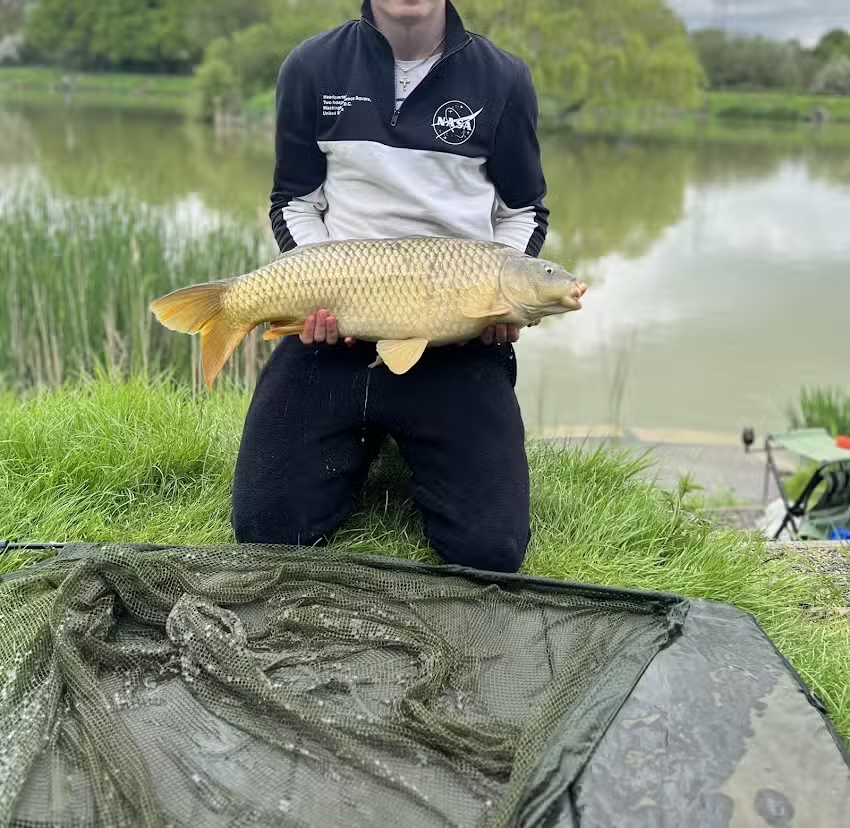
The venue is especially associated with carp fishing, and a lot of its appeal comes from its well‑stocked lakes that give realistic chances of action throughout the day. Several anglers report catching carp comfortably into double figures, with regular fish in the mid‑teens and larger specimens present; one external profile notes a head of carp to over 40 lb in the main lake, alongside bream, tench, roach, rudd and notable perch. For many visitors this mix creates the classic English mixed‑fishery feel: you can target coarse fishing species specifically or simply enjoy a varied bag of carp, silver fish and occasional better specimens.
A recurring theme in feedback is how suitable Lake John Fishery is for newcomers and family visits. One visiting angler described returning to a rod after two decades away and finding the place calm, private and manageable in size, with enough room for everyone to settle into their own spot and still have regular bites. Others highlight it as an ideal setting for a first ever fishing lakes experience, with straightforward tactics and a stock that responds well to basic baits when fished correctly. The combination of friendly on‑bank guidance and consistently active fish stocks makes it a realistic venue for helping children or lapsed anglers connect with coarse angling without a steep learning curve.
The owners, often mentioned by name as Karen and Colin, are central to the fishery’s character. Multiple visitors praise the way they take time to advise on tackle, bait choice and methods, particularly for anglers who are new to carp lakes or unsure what set‑up will work on the day. There are accounts of Colin explaining exactly what equipment is needed for carp, even accompanying anglers back to their peg to demonstrate how to present the bait and play fish safely, something beginners clearly appreciate when tackling their first carp. These interactions contribute to an impression of genuine hospitality and patient coaching rather than a quick set of rules and a peg number.
Customer comments also emphasise the personal, encouraging approach taken with children. Third‑party reports describe coaching sessions at Lake John where guides arrive early to prepare the water, break surface ice if necessary and pre‑bait swims so that youngsters stand a real chance of catching. Parents note that instruction is pitched at the right level: enough guidance to keep things safe and productive, but with space for children to cast, strike and land fish themselves once they gain confidence. This kind of tailored support is an important attraction for families who want a safe and structured introduction to fishing holidays and day sessions without worrying that their children will be out of their depth.
From a facilities point of view, visitors describe the fishery as tidy, with clean toilets and a generally well‑looked‑after environment. Paths, banks and pegs are maintained to a good standard, which benefits less mobile anglers as well as those carrying plenty of gear. The venue also notes step‑free access at the entrance, making it more practical for wheelchair users and people who find uneven ground difficult. While it is not a large complex with a long list of on‑site amenities, the essentials for a comfortable day’s coarse fishing venue are in place and looked after.
Fish welfare is clearly a priority, supported by a detailed set of fishery rules that are stricter than some casual day‑ticket waters. Among the conditions are a ban on removing fish from the premises and requirements to use unhooking mats and appropriate landing nets, with all fish returned using a sling or net rather than being carried by hand. Commonly abused tactics and items such as barbed hooks, fixed method feeders, nuts, braid hooklengths, bait boats and carp sacks are not permitted, and there are rod limits to prevent excessive pressure on the stock. These restrictions can feel limiting to some experienced anglers used to a wider range of presentations, but they contribute to the generally healthy condition of the fish reported in catches.
Match anglers are also catered for, with a structured rule set governing competition fishing. Limits on tins of meat, hook size and match duration, together with the requirement to use supplied keepnets and never leave baited rods unattended, mirror best practice at many dedicated match fishing venues. Pegs are numbered and laid out so that there is a mix of island pegs and margin lines, giving tactical variety for pole and feeder anglers alike. This emphasis on organised peg layouts and codified rules makes the fishery attractive to clubs who want a fair, regulated setting for league or open matches rather than an ad‑hoc water with inconsistent standards.
In terms of the actual fishing, feedback points to lively sport across a range of species. Pleasure anglers talk about “proper mixed bags” where carp in the mid‑teens are joined by tench, roach and bream over the course of a single session. The impression is of a lake where bites are frequent once you find the right line and feed pattern, rather than a big‑fish water with long quiet spells. External sources highlight that the top lake, around two and a half acres, holds carp to over 40 lb along with specimen perch above 4 lb, giving more experienced anglers something to aim at if they wish to step up from simple “bite a chuck” tactics. For many visitors this balance between regular action and the possibility of a better fish is a key selling point compared with heavily pressured day‑ticket venues.
The general ambience at Lake John Fishery is described as peaceful and unhurried. Anglers mention that it is not an enormous site, which means less walking and a more intimate feel, but there is still enough space for everyone to have their own section of bank without feeling crowded. This suits those who see a day at fishing lakes as an opportunity to unwind in a natural setting rather than compete for swims. The surrounding landscape and tree cover add to the sense of seclusion; several reviewers remark on simply enjoying the quiet and watching the water between runs, which is a significant part of the appeal for many coarse anglers.
That said, no venue is ideal for every type of angler, and it is worth considering where Lake John Fishery may feel limiting. The fishery is run to daytime hours only, with explicit rules against night fishing, so dedicated specimen hunters who prefer overnight campaigns with multiple rods and complex rigs will need to look elsewhere. The bans on certain baits and presentations, such as boilies, nuts and bolt rigs, can also deter carp specialists who rely on those methods and are used to fully fledged syndicate‑style carp fishing waters. From a match perspective, the structured rules and supplied nets are an advantage for many clubs, but anglers who prefer more relaxed, informal gatherings might find the level of regulation more than they want for a casual knock‑up.
Another point to be aware of is that, as a relatively small and well‑regarded venue, busy periods can feel compressed if multiple pegs are booked for matches or coaching sessions. While most reports suggest there is generally enough room, anglers who value maximum solitude may find the fishery livelier at weekends and during peak seasons than quieter, less stocked waters in the region. On the positive side, this activity often adds to the social side of a day’s fishing: many visitors comment that fellow anglers on the bank are friendly and that the owners foster a welcoming atmosphere where asking for advice feels natural rather than intrusive.
For those specifically interested in technique, the fishery’s stocking and layout seem to reward straightforward, solid approaches rather than highly technical rigs. Float fishing on the pole or waggler for mixed silvers, simple feeder tactics towards features, and basic carp set‑ups with safe rigs are all reported to work well. Coaching sessions mentioned in external accounts show that beginners can quickly learn to cast accurately, feed a swim and strike at bites under supervision, which suggests the water responds predictably when the basics are done correctly. This makes Lake John Fishery a useful training ground for anyone looking to build confidence before tackling larger or more demanding coarse fisheries.
Taking everything into account, Lake John Fishery stands out as a friendly, accessible and well‑run coarse fishery with a strong carp fishing element, where the emphasis is on regular sport, fish care and personal service. Its strengths lie in well‑maintained banks and pegs, clean facilities, helpful owners and lively, mixed fishing that suits families, beginners and club match anglers. The trade‑off for this accessibility is a relatively strict rule set and the absence of night fishing, which may not appeal to every specialist carp angler, but for those seeking a straightforward, welcoming fishing venue with a proven track record for putting bends in rods, it offers a solid, well‑reviewed option.