Lake Of Menteith Trout Fisheries
BackLake of Menteith Trout Fisheries has built a strong reputation as a serious venue for dedicated fly anglers who want quality sport on a natural water that behaves very differently from a small commercial pond. As Scotland’s only natural lake, it offers a broad expanse of water where tactics matter, weather plays a role and trout are fit enough to test both skill and tackle. For potential customers weighing up where to spend their fishing budget, this fishery combines several clear strengths – consistent stocking, knowledgeable staff and varied water – alongside a few practical drawbacks that are worth considering in advance.
The fishery is widely regarded as a top venue for fly fishing for trout, with many anglers describing the trout as powerful, hard-fighting and in excellent condition. Reports highlight rainbows regularly reaching notable sizes, including fish over four pounds and larger specimens capable of long, relentless runs. Because the lake is shallow in many areas and rich in aquatic life, the trout feed naturally on snails, shrimps, larvae, daphnia and fry, which helps explain their strength and solid build. For anglers used to smaller stillwaters, the step up in scale and fish quality can feel significant and is often mentioned as one of the main reasons people return.
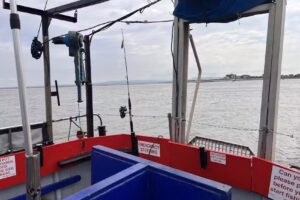
The operation is designed around boat angling, and this is one of its defining features. There is a sizeable fleet of hire craft, fitted with reliable engines, oars, landing nets and drogues, providing what many consider a classic loch-style experience rather than bank-only fishing. For individuals, pairs or organised parties, this setup makes it easier to cover large areas of water, follow wind lanes and adjust drifts to match the conditions. However, for anyone who prefers shore fishing or who is less confident handling a boat, the boat-focused format can feel less accessible and may add a learning curve to the visit.
Stocking policy is another point where the fishery stands out. Trout are reared on site by fishery staff and then distributed evenly across the 600–700 acre lake by boat, rather than being introduced at a single point. This approach, together with lower stocking densities and the use of triploid fish to improve overwintering, has helped create a population of well-conditioned trout that spread throughout the water instead of clustering. For customers, that means a realistic chance of encountering fish in many different drifts, but it also means that locating them can require more thought, observation and experience than on heavily stocked, smaller venues.
Visitors frequently mention the staff in positive terms, especially their willingness to offer advice on where to fish, what drifts to try and which patterns are currently working. Anglers speak of coaching that quickly translates into better results, including guidance on reading the water and choosing the right depth or retrieve. This can be particularly valuable for those newer to large waters or to loch-style techniques, as it shortens the time needed to adapt to the venue. At the same time, some guests may find that they still need several visits to fully understand the subtleties of the lake, especially when conditions change and fish move between areas.
From a tactical point of view, the lake is known for exceptional sport with dry fly fishing and buzzer fishing, which has turned it into a destination for anglers who enjoy more imitative and technical methods rather than constant lure work. Large shallow bays, reed-fringed margins and gently shelving areas create ideal feeding zones where fish sip emergers and dries throughout the season. Reports emphasise that subtle presentations, careful boat positioning and an eye for rising fish can bring results that rival, and sometimes surpass, more aggressive approaches. On the other hand, these strengths also mean that the lake can be unforgiving if conditions are flat calm, bright or if hatches are sparse, so visitors should be prepared for days when the fish are visible but not easily tempted.
Because the lake is used as a major venue for the National Trout Fly Fishing Championships in Scotland, it has a profile that goes beyond a typical day-ticket water. This brings several advantages: standards of boat maintenance, safety and fish quality have to remain high, and many experienced competition anglers regard the fishery as a serious test of skill. For regular customers, this helps ensure that the venue is run professionally and that the water is managed with long-term performance in mind. On the flip side, the competition status can mean occasional busy periods, practice days and events when access is more limited or when the water feels crowded, so it is sensible for visitors to check availability ahead of time.
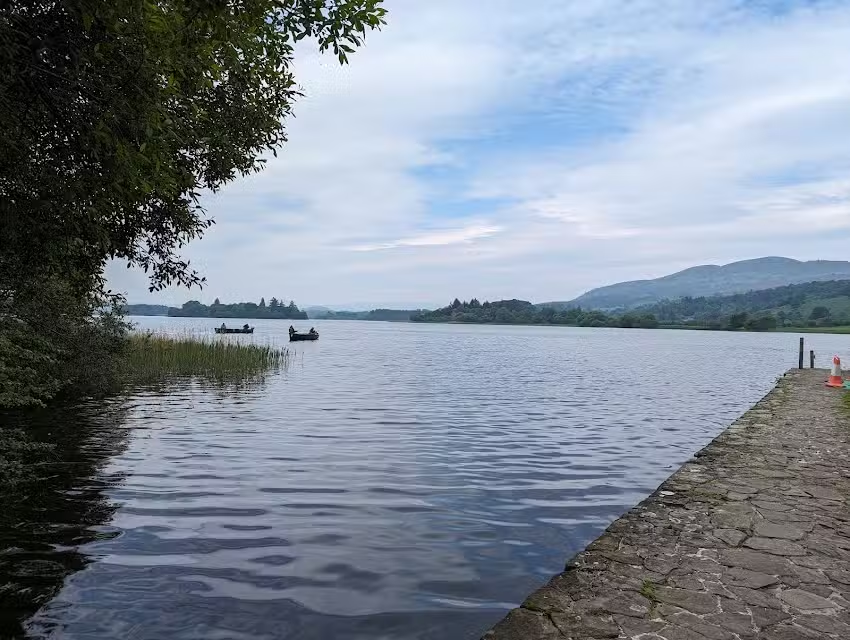
In terms of environment, the lake’s low-lying setting and three islands create a relatively sheltered water that still retains enough open area for a useful ripple. This is appreciated by many anglers, as it allows boats to fish productively in a range of wind directions and offers more comfortable conditions than some exposed reservoirs. The water is classified as mesotrophic and is recognised as a site of special scientific interest due to its flora and fauna, which adds to the sense of fishing in a living, natural ecosystem rather than a purely artificial setting. For customers interested primarily in catching numbers of trout, the protected status and environmental focus are largely positives, but they may also contribute to careful management decisions on stocking, predator control and access that balance angling with conservation.
While trout are the main draw, the lake is also known for large resident pike and populations of perch and roach. The fishery has implemented pike management policies to keep these predators in balance, allowing smaller fish to be removed while larger pike help control coarse species. For trout anglers, this generally supports a healthy food chain and a robust population of fish, though it can also mean encounters with pike when fishing over deeper areas or near features that hold baitfish. Those who are exclusively focused on rainbows and browns may see this as a mixed blessing, whereas mixed-species anglers often appreciate the variety on offer.
The lake’s location also appeals to many visitors who want more than just a day of casting and catching. Inchmahome Priory, a historic 13th-century monastery on one of the islands, is reached by boat and gives the area a distinctive character that some families and non-angling companions enjoy. Reviews mention that the island feels atmospheric and different from a typical shore walk, adding an extra dimension to a fishing trip for those who like local history and quiet walks between sessions. For anglers travelling with partners or children, this can make the venue more attractive, as it provides something to do when not on the water, though it also means that, at times, there are visitors around who are not fishing.
Comfort and welcome are recurring themes in customer feedback. Staff are frequently described as friendly, approachable and keen to ensure visitors get the most from their day, whether that involves pointing out productive drifts, suggesting patterns or helping with practical matters such as launching and docking boats. Some guests highlight how quickly they were able to improve their casting or catch rate with guidance from experienced team members. However, it is also clear that fishing here can still be demanding, and even with good advice there will be days when the fish simply do not play along, which is an important expectation to set for new visitors.
Not every review focuses solely on fishing. Some comments refer to the lake more generally as a place for swimming, rest and photography, reflecting that the surroundings appeal to outdoor enthusiasts in a broad sense. While this underlines the attractiveness of the setting, it may not always align with the priorities of dedicated anglers who prefer a quieter, purely fishing-focused environment. Potential customers who value solitude should be aware that, especially in finer weather, there may be other types of visitors in the wider area, even though the fishery itself remains centred on angling.
Pricing at the fishery is structured around boat sessions, with catch and release as a standard option and additional charges for fish kept, and there are adjustments for different times of year. For regular anglers, these details matter when comparing Lake of Menteith Trout Fisheries with other trout fisheries or fly fishing lakes. The scale of the water, the quality of the fish and the standard of boat provision contribute to a sense that a day here is more of a full outing than a short, quick session. However, anglers who prefer more flexible, walk-on bank tickets or very short visits may find the structure less suited to casual, last-minute trips.
For those looking specifically for premium trout fishing in Scotland, the fishery’s reputation as one of the country’s most productive boat venues is a key selling point. The combination of natural food, careful stocking and thoughtful management has helped the water gain recognition among both leisure and competition anglers, and social media activity reflects regular catches of quality fish throughout the season. The downside of this popularity is that peak dates can fill quickly, particularly around events and during prime periods for buzzer hatches or top-of-the-water sport. Anglers who want specific days, or who are travelling from further afield, are therefore well advised to plan ahead.
From a practical perspective, the fishery benefits from a central position within Scotland, making it feasible for day trips from several major population centres. Reviews frequently note that it is straightforward to reach by road, which is useful for those balancing travel time with time on the water. At the same time, the countryside setting means that visitors should not expect the same level of nearby urban facilities as they might find at a water closer to a city. Planning for travel, food and any additional needs in advance will help the day run smoothly and allow anglers to focus on their lines, drifts and fish rather than logistics.
Overall, Lake of Menteith Trout Fisheries presents a blend of attributes that will appeal strongly to anglers who value challenging, high-quality sport on a natural water where method and watercraft really matter. The combination of sheltered yet extensive water, strong and well-conditioned trout, attentive staff and a clear focus on fly fishing has earned it a status as a destination rather than just another ticketed venue. At the same time, the emphasis on boats, the potential for busy periods during competitions and the inherently variable nature of fishing on a large lake mean that it may not suit everyone equally. For prospective customers who appreciate realistic expectations and are prepared to adapt their tactics, it offers a compelling option for memorable days of trout fly fishing in a distinctive Scottish setting.