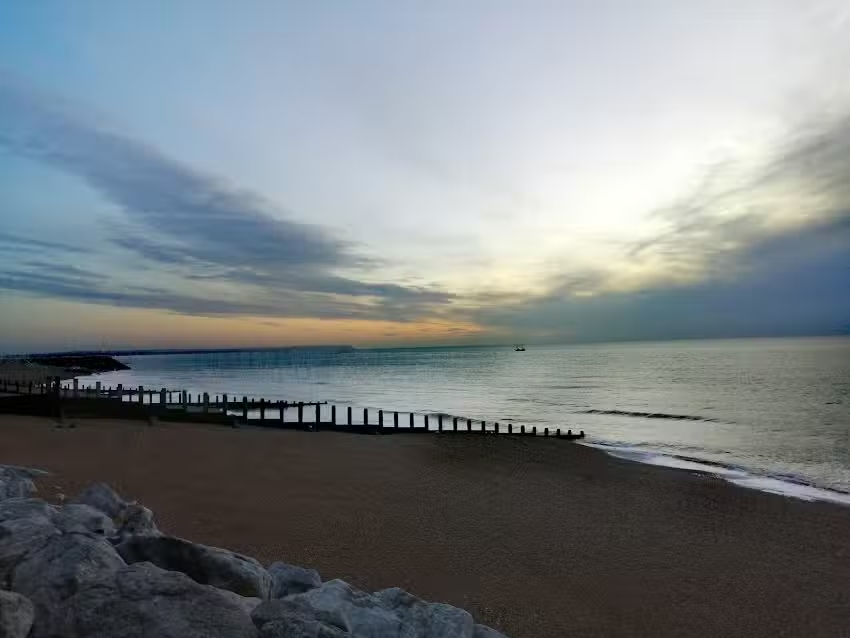
Langney Point Shore Fishing Mark, Eastboure, East Sussex.
BackLangney Point Shore Fishing Mark in Eastbourne has earned a solid reputation among sea anglers who value a practical, no‑nonsense venue with genuine potential for varied catches from the beach. This is not a commercial tackle shop or charter operation, but a recognised shore mark where anglers bring their own skills, bait and equipment to make the most of the conditions. Its strengths lie in convenient access, reasonably priced parking, a long stretch of fishable shoreline and a track record of producing a mix of species throughout the year, especially for those prepared to time their sessions carefully and use effective rigs and fresh bait.
For many local and visiting anglers, the appeal of Langney Point is that it offers classic south‑coast shingle beach fishing with enough depth and structure to hold fish at varying states of the tide. Reports from dedicated sea angling sites describe it as a very good summer venue, with regular catches of bream, flounder, pout, plaice, dogfish and the occasional sizeable sole when conditions line up. Recreational bass anglers also rate the area, with guidance from regional sea fishing resources noting that shore anglers are permitted to retain a limited number of bass within conservation rules, while catch and release applies at certain times of the year. This gives the mark particular appeal to those targeting sea bass fishing from the shore under current regulations.
Practical access is one of the clear positives. Angling guides explain that you approach Langney Point via local roads leading towards Ramsay Way, with straightforward directions to reach the seafront near the sewage treatment works landmark. From there, anglers can use nearby car parks, including designated Langney Point car parks, with reviewers highlighting parking as good value and conveniently close to the water’s edge. One visitor describes it as good and cheap parking right by the sea, usually quiet because there are few distractions for non‑angling visitors, which can be a real advantage when unloading tackle or staying into the night.
The beach itself is predominantly shingle and pebbles at higher states of tide, with patches of sand revealed when the water drops back. This mix influences how anglers approach the venue. On the flood and first part of the ebb, heavier leads and abrasion‑resistant rigs are often preferred due to tidal pull and the possibility of rough patches of ground, especially if you are working baits across gullies or near groynes. Video reports from experienced anglers show that fishing either side of high water can be productive, with flounders, smooth hounds and larger pouting all featuring in catches during spring sessions. At low water, the emerging sand and rock features can be used to read the ground, locate channels and identify likely holding spots for bass and flatfish.
In terms of what you can expect to catch, Langney Point has a reputation as a mark where blank sessions are relatively uncommon for anglers who plan their trips well and use suitable tactics. A well‑known shore angler even describes the venue in a video title as a beach where they have never blanked, underlining how often some sort of fish shows up on the line. Summer and late spring can bring bream, plaice and flounders, with local advice suggesting that fresh lugworm bait (black or blow lug) used in the dark can be very effective, as can king rag, peeler crab and strips of mackerel. Simple multi‑hook rigs, such as three‑hook paternosters or flapper rigs, allow anglers to cover different distances and present smaller baits for species like pout and sole. In recent years, conger eels have also been reported from the mark between spring and autumn, usually taken on larger fish or squid baits presented on strong pulley pennel rigs after dark.
Bass are a key attraction here and make Langney Point interesting for anglers searching for reliable shore sea fishing for this species. Regional sources emphasise that the local ground and tidal flow can create good opportunities for bass, particularly when fished at the right state of tide and with fresh bait. Video diaries from the area describe multiple bass encounters in single sessions, including lost fish that suggest larger specimens are present when conditions align. Anglers often favour beach casting rods paired with sturdy reels and shockleaders to send baits out to feeding lanes beyond the breakers, although plenty of fish are also taken at medium range or closer in at night when species move into shallower water.
Another positive aspect is that Langney Point supports more specialist targets at certain times of year. Content from local sea fishing channels documents sessions focused on thornback rays, showing how anglers set up with dedicated rigs and substantial baits to intercept rays from the shore. There are also sessions targeting soles along the long beach section, where carefully presented worm baits on light rigs fished at modest range can pick up quality fish after dark. These targeted approaches demonstrate that the mark is more than a generalist venue; with the right tactics it can deliver specific species that appeal to more experienced anglers looking for a challenge beyond basic mackerel or whiting sessions.
From a comfort and facilities standpoint, Langney Point is reasonably user‑friendly but not luxurious. Information from angling guides notes the presence of nearby public toilets and a seasonal refreshments kiosk close to the main car park, which makes longer sessions more manageable, especially for families or mixed groups. The wide promenade and paved multi‑use pathway behind parts of the shoreline create an easy walking route and a space to set down gear before moving to the shingle. However, the rocky and pebbly surface of the actual beach can be awkward for those with mobility issues or pushing prams, and reviewers mention that it is not particularly well suited for typical sunbathing days. This profile reinforces the idea that Langney Point is first and foremost a functional sea fishing beach rather than a classic holiday spot.
The general atmosphere is often described as quiet and uncrowded, especially compared with more central seafront areas. One visitor comments that the area is quite peaceful, while also warning that those with a sensitive sense of smell might prefer to set up further along the shore, a likely nod to the proximity of the water treatment works. Another reviewer highlights how enjoyable it is to watch the sunrise from this stretch of coast, noting the lack of crowds and open views. For anglers, this quieter environment is usually an advantage: more space to choose a comfortable spot, less chance of lines tangling with swimmers, and fewer interruptions during night sessions or early‑morning tides when serious fishing is often at its best.
On the downside, the same factors that appeal to serious anglers can be drawbacks for more casual visitors. The relative lack of non‑fishing attractions or entertainment means there is little to do here if you are not focused on shore fishing or walking. Families seeking a sandy, easily accessible paddling beach may find the shingle and rocky sections inconvenient, and pram users may struggle across the stones. Some anglers also report challenges with snags, spider crabs and tackle losses in rougher areas, particularly when targeting rays or fishing over mixed ground. This means that those new to sea angling might find the mark unforgiving if they do not adapt rigs and gear to cope with the conditions, and that the cost of lost leads and rigs can add up over a long session.
Weather and water clarity also play a significant role in whether Langney Point delivers on its potential. Video reports from the area describe days when coloured, choppy water made it less likely that plaice would feed, shifting the focus instead to flounders and pouting that tolerate lower visibility. After strong south‑westerly winds, the inshore water can become very silty and unsettled, making lure fishing more difficult and forcing anglers to rely on strongly scented natural baits. On calmer days with better clarity, the same rough ground and channels that make life tricky in a swell can become prime feeding corridors, particularly for bass hunting baitfish and for rays moving across the seabed.
From a safety and planning perspective, anglers are well advised to check tide timetables and think ahead about where they intend to fish across a full session. Reviews and angling notes mention that sand appears when the tide drops, giving a more comfortable footing but also changing how far you need to cast to reach productive depth. Knowing when high and low water occur allows you to focus on the upward tide and the first part of the ebb, a period singled out in local advice as especially productive at this mark. It is also important to be conscious of the groynes and sea defences just along from the point, especially in low light, and to carry appropriate lighting and clothing if you intend to stay into the evening or overnight.
For potential visitors weighing up Langney Point against other Sussex marks, the picture that emerges is of a practical, quietly popular sea fishing mark that rewards preparation. It is not groomed for tourism, yet it offers cheap and convenient parking close to the water, a long stretch of fishable ground, and enough species variety through the seasons to keep both generalist and more specialist anglers interested. At the same time, it has limitations: shingle and rocks that are awkward underfoot, occasional issues with odours near the treatment works, the possibility of snags and spider crabs, and a lack of wider entertainment for those simply looking for a day at the beach.
For anglers specifically looking for shore fishing in Eastbourne or planning a wider Sussex trip, Langney Point can be a strong inclusion on the list of venues to try, provided expectations are realistic. Those who bring robust tackle, pay attention to tide and weather, and choose suitable baits such as fresh lugworm, ragworm, crab or fish baits stand a good chance of connecting with bass, flatfish, rays and other species across the year. On the other hand, beginners or casual visitors may find it more spartan and technical than more central seafront spots. Taking these positives and negatives together, Langney Point Shore Fishing Mark stands out as a straightforward, rewarding south‑coast beach for sea fishing enthusiasts who value substance over spectacle and are happy to tailor their approach to a venue that offers genuine potential alongside a few natural challenges.