Learn Fly Fishing
BackLearn Fly Fishing in Lockerley is a small, specialist operation focused on teaching anglers how to get more from every session on the water, whether they are absolute beginners or looking to refine years of experience. The emphasis is firmly on practical skills that help people catch trout and grayling more consistently, rather than on selling equipment or generic experiences.
From the outset, one of the main strengths is the clear focus on tuition rather than retail. Clients come here for structured coaching in casting, presentation and understanding fish behaviour, not for browsing shelves of kit. This creates a different atmosphere to many tackle shops, because the priority is time on the bank and targeted instruction. For someone who wants to invest in skills rather than accumulate more gear, that distinction can be very appealing.
The teaching approach tends to revolve around building a solid foundation in the basics that matter most on rivers and stillwaters. Casting is broken down into simple, repeatable movements so that learners can produce reliable loops rather than wild, inconsistent efforts that spook fish. There is often a focus on timing, line control and efficient use of energy rather than just distance, which mirrors the priorities of successful river anglers who value accuracy and delicate presentation over huge casts.
Another key element is the attention given to watercraft and entomology. Clients are encouraged to understand the river rather than simply stand in it, learning how currents create feeding lanes, how trout position themselves, and how insect life drives feeding patterns throughout the season. This sort of teaching is particularly useful for anyone interested in fly fishing for trout on chalkstreams and freestone rivers, where matching tactics to conditions often matters more than the exact rod brand in your hand.
Alongside the on-water instruction, there is a strong educational component related to flies and leaders. Learners are introduced to the logic behind different trout flies, why certain patterns work in particular conditions, and how to select appropriate tippet diameters and leader lengths. This helps demystify fly choice so that clients do not feel overwhelmed when they later walk into a larger fly fishing shop or tackle store and face dozens of similar-looking patterns.
For many beginners, a big attraction is the opportunity to get a complete introduction to fly fishing lessons without the pressure that can sometimes be felt in busy commercial fisheries. Tuition is typically tailored, patient and paced to the student, which suits people who want to ask basic questions without feeling judged. One-to-one or very small-group formats can provide plenty of hands-on correction and personalised feedback, something that is often mentioned positively when anglers discuss specialist instruction.
The location in rural Hampshire offers easy access to a variety of local waters, including stillwaters and rivers that are well-suited to teaching. Being close to renowned fisheries gives learners the chance to start on venues where trout and grayling are present in good numbers, which increases the likelihood of putting new techniques into practice quickly. For those who live nearby, this is convenient; for those travelling, it can be combined with a wider trip to the area’s well-known game fishing spots.
One advantage of a small operation like Learn Fly Fishing is the continuity of instruction. Rather than being passed between different guides with varying styles, returning clients are likely to work with the same instructor over time, allowing for steady progression and a shared understanding of strengths and weaknesses. Anglers looking to move from basic roll casts to more advanced techniques such as reach mends, slack line presentations or simple spey-style casts can therefore build on previous sessions rather than starting afresh each visit.
In terms of the content covered, typical sessions often address the full journey from rod set-up to landing fish. This can include choosing an appropriate outfit, attaching backing, line, leader and tippet, tying simple but reliable knots, selecting a pattern and then learning how to present it effectively. Many new anglers appreciate that the tuition does not stop at casting; it includes the practical details that allow them to fish independently afterwards, from safe wading practice to basic fish handling and catch-and-release technique.
When compared with larger commercial schools, Learn Fly Fishing stands out more for its depth than for glossy facilities. You are not arriving at a huge complex with a lakeside café and big retail space; instead, you are dealing with a focused teaching service. For some, this is ideal: the day is centred on learning and time on the water, rather than on peripheral distractions. For others who expect a more expansive venue or a broad choice of amenities, the pared-back nature of the operation might feel limited.
Online, the business has a relatively modest digital footprint. It does not generate the volume of publicity or long lists of online reviews that major brands enjoy, which means potential clients will find less third-party commentary to read through before booking. The few public opinions available tend to be positive, highlighting knowledgeable tuition and enjoyable days, but the sample size is too small to treat as definitive. This is neither a clear positive nor a clear negative, but it can make it harder for cautious customers who prefer to rely on dozens of independent ratings before deciding.
The limited number of online reviews also indicates that Learn Fly Fishing is probably working with a smaller, more select client base rather than trying to push large volumes of anglers through identical courses. While that can mean more personal attention, it also means prospective visitors must accept a bit more uncertainty, as there is less publicly documented feedback to confirm consistency over time. Those who value word-of-mouth recommendations and personal introductions may be more comfortable than those who rely heavily on aggregated scores.
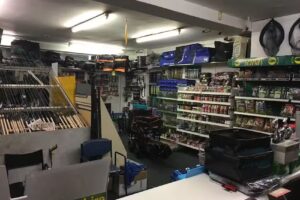
Another factor to consider is that being a tailored tuition provider rather than a broad fishing tackle shop inevitably narrows the service offering. If your priority is buying rods, reels, waders and accessories from a large stock range, this is not the place for that. Instead, it can act as a complement to bigger retailers: you learn techniques and gain clarity on what you actually need here, then source equipment elsewhere with more confidence.
For people interested specifically in fly fishing courses, Learn Fly Fishing can be particularly attractive because of its focus on core skills that directly affect catch rates. Instruction tends to cover dry fly, wet fly and nymph approaches, alongside basic entomology and river reading, reflecting the needs of anglers targeting trout and grayling on varied water. By concentrating on these essentials, the tuition can help anglers progress from simply casting a line to understanding why certain approaches work on particular days.
Families and younger learners can also benefit from a dedicated teaching environment, especially when starting from scratch. A gentle introduction to casting, basic knots and simple stillwater tactics can build confidence without overwhelming new anglers with overly technical details. Supportive instruction like this can shape how newcomers feel about the sport, and a positive start is often the difference between a short-lived experiment and a long-term hobby.
There are, however, limitations that prospective clients should weigh. With a small, specialised set-up, availability may be restricted at peak times, making it harder to secure last-minute bookings during prime trout months. Those needing very flexible scheduling or large group days may find that larger schools with multiple instructors are better equipped to handle big parties or corporate sessions.
Another drawback is the relative lack of broad, structured progression pathways publicly advertised, such as clearly tiered beginner, intermediate and advanced programmes with set curricula. While tailored tuition can be highly effective, some learners like the security of booking named courses with defined learning outcomes and printed materials. In this case, much depends on direct communication with the instructor to outline goals and plan a series of sessions.
For anglers comparing different options for fly fishing tuition in the Hampshire area, it is worth recognising that Learn Fly Fishing sits at the personalised, skills-focused end of the spectrum. It offers individual attention, detailed discussion of tactics and the opportunity to ask very specific questions about the type of water and fish you intend to target. Those who prefer that close guidance are likely to see strong value, particularly if they return for more than one session.
At the same time, anyone whose main interest is a broad social day out, a big group event or a facility with extensive non-angling amenities might find other providers better suited. The strength here is in focused coaching, not in entertainment or hospitality add-ons. As with any specialised service, the fit between what the instructor offers and what the client expects is crucial.
For potential customers looking to improve their skills in trout fishing, especially on rivers and stillwaters where presentation and watercraft are crucial, Learn Fly Fishing can provide structured support that accelerates progress. It offers the chance to move beyond trial-and-error outings towards a more informed, confident approach on the water. The mix of casting practice, understanding insect life, reading current and learning how to choose and present fly fishing flies gives a solid platform for future trips.
In the end, the business presents itself as a dedicated teaching resource focused on fly fishing lessons rather than a general-purpose angling store. Its strengths lie in patient, practical instruction and a strong focus on the fundamentals that help anglers catch more fish. The trade-offs are a smaller digital footprint, fewer public reviews and limited ancillary services, which will suit some clients very well and leave others preferring a larger, more commercial operation.