Lintrathen Angling Club
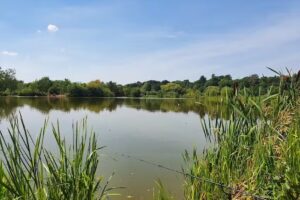
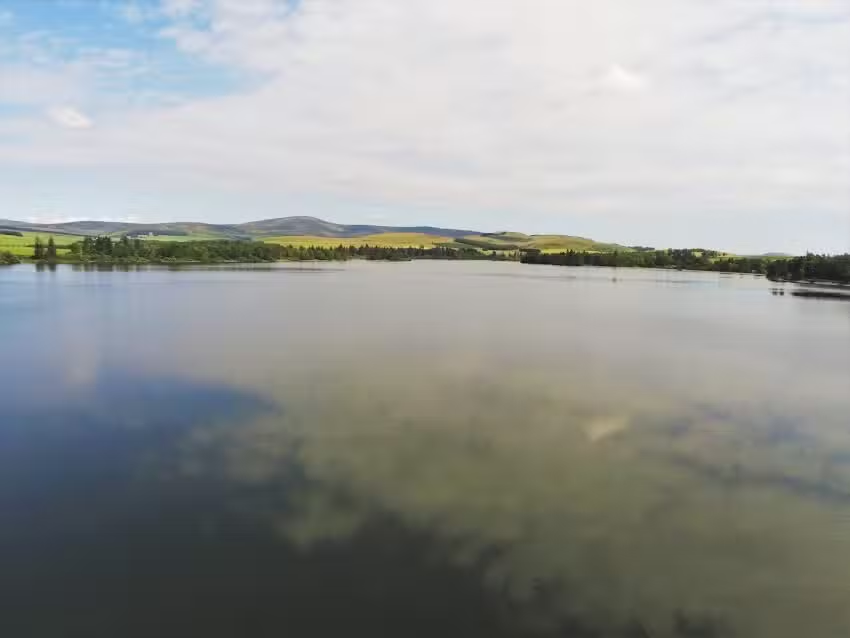
BackLintrathen Angling Club operates on the Loch of Lintrathen and has built a reputation as a welcoming and well‑run venue for anglers who value scenic surroundings as much as productive fishing. The loch is a man‑made reservoir, but many visitors comment that it feels naturally wild, with open water, wooded shores and abundant birdlife creating a calm setting for a day with the rod. At the same time, this is a working fishery with a clear focus on quality sport, particularly for those targeting rainbow trout fishing, and that mix of natural character and managed angling appeals strongly to regulars and first‑time visitors alike.
One of the main reasons anglers are drawn here is the balance of stocked and wild fish. Lintrathen Angling Club manages the trout fishing on the loch, with both brown trout and rainbow trout present, giving scope for those who enjoy variety in their catch. Reviews frequently mention hard‑fighting fish, including sizeable rainbows described as "big" and powerful, alongside a natural head of strong, free‑rising brown trout that add authenticity to the experience. For many, this combination makes the water feel less like a heavily stocked commercial and more like a traditional Scottish loch that still offers reliable action.
Visitors often highlight the quality of the fishing itself. Anglers report "very good fishing" with plenty of takes and a sense that the loch is well stocked without feeling artificial. Comments about "lots of big" rainbow trout and "good fighting" brownies suggest that fish are in healthy condition and offer satisfying sport on the fly rod, whether you are working intermediate lines and lures or more delicate dry‑fly and nymph tactics in calmer conditions. There are also anecdotal reports of memorable sessions where multiple fish were landed and several more safely returned, reinforcing the impression of a productive water when conditions line up.
The club focuses on fly‑fishing from boats, which suits the size and shape of the loch. Scottish Water lets out fly fishing by boat on the reservoir to Lintrathen Angling Club from spring through to autumn, so anglers book through the club rather than approaching the landowner directly. For those who enjoy traditional loch‑style boat fishing, drifting across open water and along shorelines, this arrangement offers access to a sizeable area without the bank‑crowding that can spoil smaller venues. However, it also means that those who prefer bank‑only fishing may find the options more limited compared with smaller, purpose‑built trout ponds.
Boats are frequently described as clean and well maintained, and that is an important practical point for regular visitors. Tidy, stable craft with reliable outboards or oars can make the difference between a tiring day and an enjoyable session, especially when the wind gets up and anglers are covering long drifts. The impression from recent comments is that Lintrathen Angling Club takes this side of the operation seriously, which adds confidence for those considering booking a full‑day trip. Organised boat allocation and friendly help at the boathouse also simplify the experience for less experienced anglers who may be new to larger waters.
One detail that stands out in feedback is how inclusive the club can be. Some anglers mention that children are welcomed and can fish for free under certain arrangements, making the loch an appealing destination for family outings where youngsters can be introduced to trout fishing in a safe, boat‑based environment. There are also comments noting that taking kids out on the boats is straightforward, provided sensible safety precautions are in place, and that the surrounding paths and shoreline offer enough interest for non‑anglers who want to walk or watch wildlife while others fish. That mix helps the venue serve both serious rods and casual visitors.
Customer service at the club is regularly praised. Anglers describe staff as "nice" and helpful, ready to offer advice on flies, drifts and conditions, which can be invaluable for people visiting the loch for the first time. A friendly greeting at the boathouse and straightforward permit arrangements contribute to a relaxed atmosphere and help many guests feel that they are part of a small, well‑run community rather than just another booking on a list. For those who value local knowledge, this can significantly enhance their chances of success.
The wider setting adds another layer to the experience. The Loch of Lintrathen is recognised as an important wildlife site, with large numbers of birds using the water, particularly in colder months. Birdwatchers come to see greylag geese, whooper swans and ospreys, and anglers frequently mention the thrill of having ospreys hunting over the loch while they are out in the boat. This gives a day’s fly fishing an added sense of occasion: even when sport is slow, there is plenty to look at, from waterfowl on the surface to raptors in the sky and songbirds in the surrounding woodland.
Accessibility is another positive aspect for some visitors. There is a wheelchair‑accessible hide on the east shore of the loch, and access paths to at least two viewing points, which may appeal to those combining a fishing trip with photography or birdwatching. The entrance to the fishery area is described as wheelchair accessible, and although boat use will still depend on individual circumstances, the infrastructure around the loch is more accommodating than many rural waters. For groups that include both anglers and less mobile companions, this can be a genuine advantage.
That said, the loch is not without its shortcomings and challenges. Several visitors note that walking right around the loch is difficult, with some stretches lacking a clear path and others forcing walkers onto the road, which is not ideal for families or anyone hoping for an easy circuit. Limited formal parking near the main fishing area can also be a drawback, with some people reporting that they had to leave vehicles some distance away and walk in, particularly at busier times. For anglers bringing a lot of gear, or for those with reduced mobility, this can be an inconvenience that is worth planning for in advance.
Because the reservoir is managed primarily as a water supply, there are restrictions and practical factors that can occasionally affect fishing. Water levels, weed growth and bank access are influenced by operational needs and natural conditions, so certain areas may be less reachable or fishable at times. Algal blooms have been discussed by local anglers in past seasons, which can temporarily reduce water clarity and affect both fishing and other activities, although reports also describe excellent days once conditions improve. Prospective visitors may find it sensible to check recent updates from local angling groups or the club itself before travelling long distances.
In terms of rules and permits, Lintrathen Angling Club operates within a structured framework that aims to protect both stocks and the wider environment. Fly‑only restrictions, bag limits and catch‑and‑release expectations are typical of Scottish trout fisheries of this type, and there are broader angling guidelines that encourage anglers not to remove native species and to handle fish responsibly. For experienced anglers, these measures tend to be seen as standard practice; for newcomers, it may require a little preparation to ensure tackle and techniques comply with local regulations. While this can feel formal compared with some casual waters, it supports long‑term fish quality.
Prices and specific permit structures can vary over time, with some nearby waters using Lintrathen as a point of contact for day tickets, so it is sensible to confirm current arrangements directly with the club rather than relying on older online comments. Day permits typically cover boat use for a set number of rods, and rules may specify how many rods can be used per permit and what methods are allowed, in line with broader angling trust recommendations. For dedicated anglers planning multiple trips each season, club membership can be an appealing way to secure regular access to quality trout fishing while contributing to the upkeep of boats and facilities.
The surrounding area offers a number of small hospitality options that can complement a day on the water, such as local cafés and lodges, some of which look out over the loch or sit within a short drive. While these are separate businesses, several anglers mention enjoying a coffee or meal before or after fishing, which helps turn a standard day ticket into more of a full‑day outing. For those travelling from further afield, nearby accommodation allows early starts and late finishes on the loch, making better use of periods when trout are most active.
For families and mixed groups, the loch has attractions beyond the fishing alone. Visitors describe taking dogs to paddle in the shallows where allowed, and children often enjoy the novelty of going out in a boat and seeing wildlife up close. The water’s status as a wildlife reserve means that responsible behaviour is essential, but it also ensures that the setting remains relatively unspoilt, with a quieter, more natural feel than heavily developed recreational lakes. Those planning a visit should bear in mind that the focus remains on conservation and water supply as well as leisure.
Overall, Lintrathen Angling Club offers a blend of strong trout fishing, attractive scenery and friendly service that many anglers rate highly, while also presenting a few practical challenges in terms of access, parking and weather‑dependent conditions. For those who enjoy fly fishing from boats on larger waters, targeting both stocked rainbows and natural brown trout with the chance of seeing ospreys overhead, it represents a compelling option. Anglers who prefer easy bank access, simple walking routes and heavily managed surroundings may find it less suited to their tastes, but for many, the character of the loch and the standard of the fishing more than compensate.