Lower Beauly Fishings
BackLower Beauly Fishings presents itself as a dedicated salmon fishing destination with a long-established reputation among anglers who appreciate traditional river beats, attentive ghillies and a well‑organised approach to river management. Set at Corff House by Lovat Bridge, it focuses on providing structured access to prime stretches of the River Beauly for those who value a classic experience of fly fishing rather than a casual day out. The emphasis is clearly on quality of water, professional guidance and the chance of memorable fish, rather than on being a general tackle retailer or multipurpose leisure site.
From the outset, prospective visitors will notice that this is not a shop stacked with racks of fishing rods, reels and clothing, but a fishery offering access to carefully managed beats. The core offer revolves around time on the water supported by experienced staff, with the expectation that guests arrive with their own fly fishing equipment or arrange it in advance. For seasoned salmon anglers, this specialisation is a strong point, as it signals an environment built around the needs of serious fishers who are comfortable planning a trip in detail, booking in advance and adapting to river conditions.
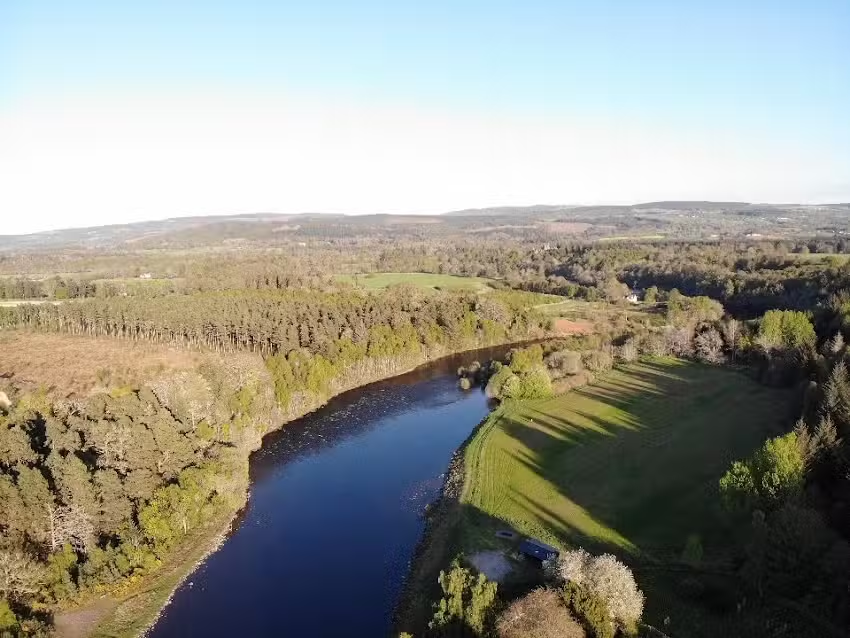
One of the main strengths of Lower Beauly Fishings is the quality and character of its river sections. Visitors often comment on well‑kept banks, orderly access and pools that are clearly defined and productive during the right conditions, giving a sense that the river is actively looked after rather than left to chance. This management ethos is crucial for salmon and sea trout fisheries, where water levels, seasonal runs and conservation requirements all play an important role. Anglers with experience on other Scottish rivers tend to appreciate that the beats here are not overcrowded, and that the number of rods is kept sensible, which can significantly enhance the overall experience.
Another positive aspect frequently highlighted is the support of ghillies and river staff. For anglers new to the Beauly or to spey casting, local knowledge can make the difference between a frustrating day and a productive one. The ghillies are typically described as friendly, patient and generous with advice on flies, tactics and reading the water, which is especially valuable for those still improving their casting or learning to handle longer salmon rods. This human element reinforces the sense that Lower Beauly Fishings is geared towards enabling anglers to get the best from the river rather than simply selling access and leaving guests to figure everything out alone.
While the fishery is primarily focused on salmon, it also attracts anglers interested in trout fishing and the broader river environment. Those who come expecting a mixed‑species coarse venue with easy bags of fish may feel out of place, as the emphasis is on migratory species, seasonal runs and traditional fly tactics. This makes the venue more appealing to those who value the challenge and uncertainty of wild fish, and who understand that success on a salmon river can involve long, quiet hours between takes. Anglers familiar with catch‑and‑release ethics and modern conservation practices tend to feel comfortable with the balance the fishery aims to strike between sport and sustainability.
However, the very qualities that appeal to committed salmon anglers can create downsides for other visitors. One recurring criticism is that first‑time guests sometimes find information fragmented or too reliant on prior knowledge of river systems. Those who are used to highly commercial day‑ticket waters, with clear on‑site signage and instant online booking systems, may find the process of arranging a visit more traditional and less intuitive. For new anglers who are still learning about fishing tackle, line ratings and seasonal tactics, the level of assumed experience can feel a little daunting, and some might prefer a venue with more introductory material and step‑by‑step guidance.
A further point to consider is the level of facilities around the fishery itself. Lower Beauly Fishings is centred on river access rather than on-site hospitality, so visitors expecting a fully equipped fishing shop with rows of fishing lures, clothing and refreshments at the water’s edge may be disappointed. The focus is instead on the quality of the water and the professionalism of the service on the beats. Practical anglers who plan ahead generally have no issue with this, but those who rely on buying last‑minute items like leaders, fishing hooks or waders on arrival will need to organise themselves via nearby towns or online suppliers before travelling.
In terms of the angling itself, feedback reveals the typical pattern of a wild salmon fishery: some visitors report excellent sport with memorable fish landed, while others encounter challenging conditions and blank days despite their best efforts. This is not an intensively stocked venue where expectations of guaranteed catches are realistic. Instead, the appeal lies in the authenticity of working a genuine salmon river, reading the pools, adjusting fly patterns and floating or sinking lines according to height and clarity. Anglers who approach Lower Beauly Fishings with realistic expectations about migratory fish behaviour tend to value the experience even when the fish do not cooperate, whereas those seeking certainty may feel the return on time and travel is variable.
Equipment‑wise, Lower Beauly Fishings fits naturally within a broader ecosystem of specialist suppliers and brands that many visiting anglers are already familiar with. Guests frequently arrive equipped with well‑known fishing reels, spey lines and trusted patterns of salmon flies sourced from established fishing tackle shop providers such as UK and European online retailers. This means the fishery itself can concentrate on watercraft and access, while relying on the wider market to satisfy demand for specific rods, lines, waders and accessories. For visitors, this arrangement works best when they have done their homework, chosen suitable gear and consulted with the fishery or ghillie in advance about appropriate rod lengths, sink tips and fly sizes for the season.
The location at Lovat Bridge offers some practical advantages that regulars appreciate. Access to the river beats is generally straightforward, with parking and meeting points clearly associated with the fishery base at Corff House. This makes it easier to organise group visits or hosted days where several anglers share a beat under the guidance of a ghillie. That said, those expecting extensive signage or tourist‑style presentation may find the environment understated and functional rather than polished. For many anglers, this understated character fits the traditional image of Scottish salmon fishing, but visitors more accustomed to commercial coarse fisheries might see it as a lack of modernisation.
Customer opinions about value for money tend to reflect personal expectations and outcomes on the day. When water levels, timing and technique align and a good fish is landed, many anglers feel the investment in permits and travel is justified by the quality of the experience and the memory of a strong salmon in fast water. On days when conditions are poor or runs are late, some visitors question whether the cost is appropriate, even though this is the nature of wild game fishing. This contrast is not unique to Lower Beauly Fishings; it mirrors the broader debate around pricing on premier salmon rivers throughout Scotland, where demand, conservation and tradition all influence fee structures.
Another element worth noting is how the fishery balances tradition with modern expectations around communication. Anglers increasingly rely on digital channels to research destinations, compare venues and gather up‑to‑date information on catches and river levels before committing to a trip. Lower Beauly Fishings maintains an online presence focused on essential details and contact routes rather than on constant promotional content. Some prospective visitors appreciate this restrained, factual approach, seeing it as a sign that the fishery prioritises the river over marketing, while others would welcome more detailed updates, photographs and catch reports to help them decide when and how to plan their visit.
For beginners or those transitioning from stillwater to river fly fishing, Lower Beauly Fishings can be both inspiring and demanding. The setting, the tradition and the possibility of encountering a powerful salmon are highly attractive, but the learning curve can be steep without prior experience. New anglers who choose to book a day with a ghillie, ask specific questions in advance and invest in suitable tackle generally find the experience rewarding, even if they do not hook a fish on their first visit. Those who arrive expecting the simplicity of a stocked trout fishery may feel underprepared, which underscores the importance of treating this venue as a specialist salmon fishery rather than a general fishing lake.
In the context of UK fishing holidays, Lower Beauly Fishings fits best into a trip designed around dedicated days on quality river beats rather than a casual add‑on. Anglers planning a longer stay in the area can combine time on these waters with visits to other rivers or lochs, but the most satisfied guests tend to be those who treat their days here as a focal point, giving themselves time to adapt to the river, adjust tactics and take full advantage of ghillie advice. When approached this way, the fishery offers a serious and authentic experience that contrasts with more general holiday angling venues.
Overall, Lower Beauly Fishings stands out as a specialist destination for anglers who prioritise genuine river salmon fishing over convenience retail, instant results or heavily commercialised surroundings. Its strengths lie in the quality of its beats, the professionalism of its ghillies and the traditional character of the experience, all of which align with the expectations of experienced salmon anglers. At the same time, potential visitors should be aware of the limitations: facilities are focused on fishing rather than broader tourism, success is tied to natural conditions, and newcomers may need extra preparation to get the most from their visit. For those willing to embrace these realities, the fishery offers a focused, serious and memorable setting in which to test skills, equipment and patience against truly wild fish.