Maggies Fish & Bait
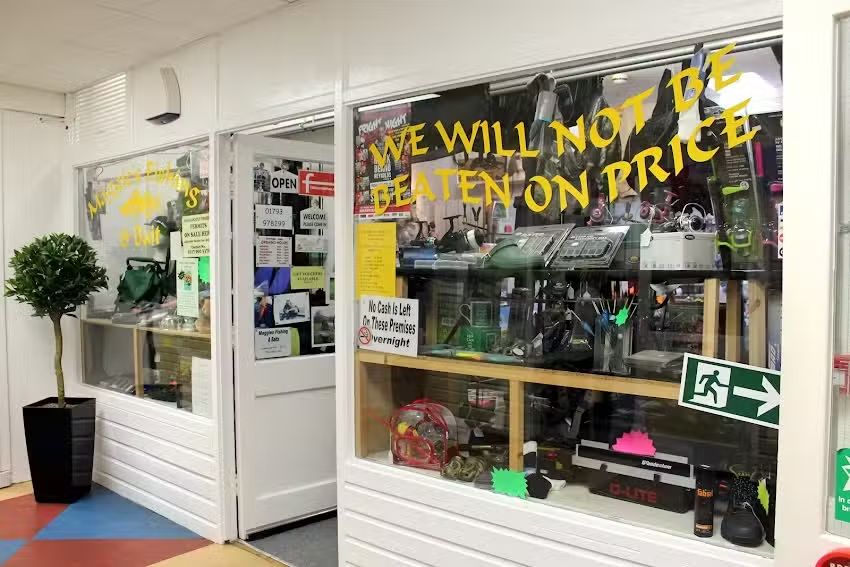
BackMaggies Fish & Bait is a compact, traditional angling shop that focuses on supplying everyday essentials for coarse and pleasure fishing rather than trying to imitate a vast online warehouse. From the outside it looks modest, but inside it functions as a densely stocked hub for local anglers who want practical gear, fresh bait and real conversation instead of faceless transactions.
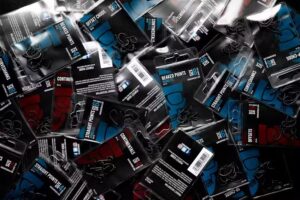
The core strength of the shop lies in its breadth of basic tackle and terminal gear. Shelves and pegboards are packed with hooks, rigs, floats, feeders, line and accessories, so regulars can top up on the bits that actually get used on the bank. For anyone searching online for a reliable place to buy fishing tackle, the shop aims more at being a dependable weekly stop than a once-a-year destination. Much of the stock is geared towards the needs of coarse anglers, with floats for canals and lakes, feeders for commercial fisheries and a sensible range of weights and shot suitable for a variety of set‑ups.
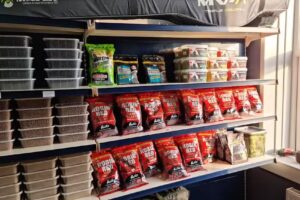
Bait is a clear focus and one of the reasons many customers remain loyal over the years. Anglers can pick up different types of live bait such as maggots and worms, depending on availability and season, as well as prepared offerings for species like carp and tench. Having bait ready to go on the way to the water is particularly useful for those who do not want to buy in bulk or store it at home. For newcomers, there is also straightforward advice about what to take for local venues, reducing the trial and error that often comes with starting out.
As the name suggests, the shop also caters for those who want to take home something for the table. There is a focus on fresh fish alongside the angling side of the business, which makes it unusual compared to many purely tackle‑based outlets. This dual identity means customers can walk in for a pint of maggots and leave with ingredients for dinner, an arrangement that appeals to people who appreciate traditional high street shops. The choice of species may vary with supply, and it is not on the scale of a large supermarket counter, but it helps the shop remain relevant to a broader set of customers.
One of the most commonly mentioned positives from regulars is the owner’s personal involvement. Rather than a rotating cast of part‑time staff, customers often deal directly with someone who knows both the stock and the local waters. This translates into simple but valuable support: help choosing the right fishing rods for a specific style, guidance on suitable line strengths, or a quick check that a beginner’s first fishing reel is properly balanced with their rod. Anglers just starting out, particularly with methods like pole or float fishing, tend to appreciate this hands‑on approach.
The shop has earned a reputation as a place where advice is given freely, whether someone is a seasoned angler refining a set‑up or a complete novice. People who have just taken up pole or feeder fishing report leaving with clearer ideas about rigs, elastic, and shotting patterns, rather than feeling overwhelmed. For many, having a human being explain the difference between various fishing poles, waggler floats, or feeder cages is far more helpful than scanning product descriptions on a screen.
Another practical advantage is that anglers can sort out paperwork alongside tackle. The shop has long been known as a spot where you can arrange fishing licences or get guidance on what documentation is required before heading to local waters. Being able to handle permits and pick up bait in the same visit is convenient, particularly for those planning last‑minute sessions or for parents trying to organise a first trip for their children.
Customer comments often describe the interior as an “Aladdin’s cave”, reflecting just how much can be found in a relatively small floor space. Boxes of terminal tackle, walls of floats, shelves of groundbait and bags of pellets give the impression that almost every nook has been put to work. This can be a positive for those who enjoy rummaging and finding unexpected items such as specialist hooks, lesser‑known fishing lures or small accessories that are hard to find online without knowing what they are called.
However, the same density of stock can be slightly overwhelming for visitors who are used to big‑box layouts and neat rows of identical products. There can be a sense that you need to ask where things are rather than simply browsing silently. For confident buyers this is no issue, but some shy newcomers might feel hesitant about admitting they do not yet know the difference between carp and match gear, or which fishing line suits their local venue.
One of the realities of a small, independent tackle shop is that the range cannot match the full catalogue of large online retailers. You will not find endless walls of high‑end carp luggage, dozens of limited‑edition reels or an entire aisle devoted to the latest brands of carp fishing rods. Instead, the selection tends to focus on value and practicality. This may frustrate anglers searching for very specific premium items or niche tackle, who might still end up ordering certain products online after a visit.
Pricing is generally seen as fair and competitive, especially given that the shop cannot rely on the volume buying power of the biggest chains. Many regulars highlight that everyday items such as hooks, floats, feeders and bait are well priced, which keeps the shop viable as a place to stock up regularly. While you might occasionally find a cheaper price on a particular reel or rod through an internet promotion, the difference often narrows once shipping costs and the lack of face‑to‑face advice are considered.
Several customers also stress the importance of supporting small, local tackle shops rather than directing every order to large online outlets. There is a recognition that once shops like this disappear, anglers lose not only a convenient place for fishing bait and terminal tackle but also a source of local knowledge. In an era where many high streets are dominated by non‑specialist retailers, maintaining a dedicated angling shop is seen by some as an asset to the community of nearby fisheries and clubs.
Local knowledge is one of the less tangible but most useful aspects of the service. Regular visitors often receive up‑to‑date information on water levels, recent catches and which methods have been working at nearby venues. Someone planning a trip can ask whether to take a feeder rod or stick float set‑up, which fishing hooks to use for certain baits, and whether to carry light or heavy groundbait. This kind of real‑time insight is something online descriptions cannot easily provide.
Another strength is the shop’s approachability for families and those new to the pastime. Parents looking to introduce children to angling can find small starter kits, simple telescopic rods and basic fishing gear without feeling pressured into expensive purchases. Staff are generally patient in explaining how to set up tackle safely, advising on barbless hooks where required, and outlining basic etiquette on local waters. This helps reduce some of the barriers that can make angling look complicated from the outside.
On the other hand, anglers seeking the latest high‑tech innovations may find the selection more traditional. You are less likely to see cutting‑edge bite alarms, specialist spod reels or the newest generation of carbon‑intensive fishing rods lining the racks. The emphasis is clearly on reliable equipment rather than chasing every new release, which can be a drawback for gear enthusiasts but reassuring for those who prefer tried‑and‑tested tackle.
The age of some of the online comments about the shop shows that its reputation has been built over time rather than overnight. Long‑standing customers mention using the shop since it opened, which speaks to consistency in both service and stock. More recent remarks highlight that the owner remains just as approachable and willing to help as ever, suggesting that the business has not lost its personal touch even as buying habits have shifted towards digital channels.
One limitation is that information about stock changes, special items or new arrivals is not pushed out as aggressively as in big chains with sophisticated marketing teams. Customers often rely on physically visiting the shop to see what is new in terms of fishing tackle or seasonal bait. While this suits those who enjoy browsing in person, it may feel less convenient for anglers who prefer to research every purchase in advance or compare multiple models online before stepping into a shop.
Despite these limits, many anglers see the shop as a practical first stop when preparing for a session nearby. Being able to walk in, ask about what has been catching recently and leave with appropriate bait and rigs saves time and reduces uncertainty. For someone planning an early start, having a dependable source of coarse fishing essentials and local advice within reach can be more valuable than chasing marginal savings across multiple websites.
Overall, Maggies Fish & Bait operates as a straightforward, service‑driven angling and fish shop that prioritises personal contact, practical stock and honest pricing over flashy displays. It does not try to compete with large online retailers on sheer variety, and some anglers seeking very specific or high‑end items may still need to look elsewhere. Yet for many local and visiting anglers who value fresh bait, sensible fishing tackle and the chance to speak with someone who understands their sport, it remains a useful and welcoming place to visit before heading to the bank.