Martin Wells lake
BackMartin Wells Lake, sometimes referred to locally as Edlo Brick Pond, is a compact community-run fishery and recreation spot that aims to balance relaxed leisure with accessible coarse angling. Anglers and families use the site in different ways, so anyone considering a visit benefits from understanding both its strengths and its limitations as a mixed-use venue.
From an angling perspective, the lake has earned a solid reputation for value and variety. Local reports highlight stocks of bream, skimmers, roach, tench and perch, along with carp that can reach the higher twenty‑pound bracket and a number of resident pike. For coarse anglers who enjoy mixed bags rather than chasing a single specimen, this makes Martin Wells Lake an appealing all‑round water where there is usually something willing to feed. Video audits by visiting anglers describe swims with notable depth in places, even when the water level has dropped, creating interesting features and shelves to target with feeder or float tactics.
The fishery operates on a straightforward permit and day‑ticket basis, making it relatively easy for casual visitors and regulars to access. Tickets are sold through a nearby community centre and can also be obtained on the bank from a bailiff, which suits anglers who decide to fish at short notice. As with other UK coarse venues, anyone planning to target the resident carp, bream or other species must hold a valid rod licence and comply with local permit conditions, so it is important to factor this into the cost and preparation of any fishing trip.
Management and upkeep are closely associated with a local volunteer group often referred to as the Friends of Martin Wells Lake, who work alongside local authorities to maintain the banks, paths and platforms and to oversee the fishery side of the venue. Visitors who walk the circuit regularly frequently remark on how tidy the paths are and how much effort has gone into keeping the surroundings usable for both anglers and dog walkers, which adds to the sense of a community asset rather than a purely commercial operation.
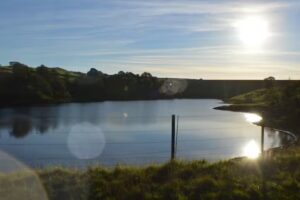
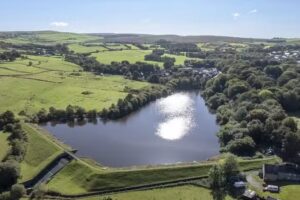
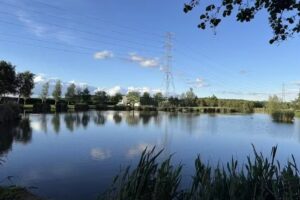
The character of the water is compact but varied. Although it is not a large reservoir or sprawling complex, anglers note that there is ample bank space with a series of fishing platforms dotted around the perimeter. This layout helps spread pressure across the lake, reduces crowding in popular areas and offers beginners a stable, safe footing for setting up tackle. The presence of deeper areas, marginal shelves and open‑water pegs allows coarse anglers to approach the venue with different methods, from long‑range feeder work for bream to margin fishing for carp, which can be especially attractive for those still learning their watercraft.
For coarse fishing enthusiasts, the species mix is a major draw. Reviews and angling content emphasise bags of good‑sized bream, plentiful skimmers, roach and perch, plus tench that offer strong, summer‑time sport. The presence of larger carp and visible pike gives more experienced anglers the chance to step up to heavier tackle and target bigger fish while still sharing the bank with pleasure anglers catching silvers. This balance between general coarse fish and larger specimens helps the venue appeal to a broad audience, from juniors having their first go at float fishing to dedicated coarse fishing regulars refining rigs and bait combinations.
The social atmosphere around the water is generally regarded as friendly and relaxed. Regular walkers describe seeing a steady flow of dog walkers and local residents using the paths, often commenting on the peaceful feel and the courtesy shown between anglers and non‑angling visitors. Families mention bringing children to feed ducks and swans, using the seating areas and letting them try basic fitness equipment, which adds another dimension to the site beyond fishing alone. For potential customers, this means that a trip to Martin Wells Lake can combine a few hours with the rod with a gentle walk or a family outing, rather than feeling like a strictly adult‑only venue.
Accessibility is another practical advantage. The lake sits close to residential areas and has a free car park, reducing barriers for those who might otherwise struggle with travel costs or long walks to reach a peg. Some visitors also remark on level paths and clear routes around the water, which can make it easier for people with reduced mobility, families with pushchairs or older anglers carrying tackle to get to their chosen spot without undue difficulty.
As a multi‑use green space, Martin Wells Lake offers more than just angling. Visitors refer to it as a pleasant place for a short circular walk, with alternative routes leading off into nearby fields and community woodlands. The presence of outdoor exercise equipment and seating turns the area into a small informal park where residents can build a walk, light workout and short rest into their day. For anglers, this can be a mixed blessing: on one hand, the surrounding activity gives the area a lived‑in feel and a sense of security; on the other, it means that bank space and access paths are not reserved solely for fishing.
Families have repeatedly highlighted the suitability of the lake for short visits with children. Taking youngsters to feed ducks and swans, watch anglers playing fish or use the simple exercise equipment offers an inexpensive local outing. The manageable size of the lake means adults can keep an eye on children without losing sight of them, and the presence of seating areas provides convenient rest points for all ages. For parents or guardians considering where to introduce children to nature and the basics of fishing lakes, this combination of open views, wildlife and angling activity can be appealing.
For anglers who focus on value, pricing and access conditions are a recurring positive theme. Content from visiting coarse anglers refers to a low‑cost annual permit and affordable day‑ticket structure, positioning Martin Wells Lake as one of the more budget‑friendly options for regular carp fishing and mixed coarse sessions. Because tickets can be obtained on the bank from a bailiff, last‑minute trips are viable, which suits locals who want to fit fishing around work or family commitments rather than planning far in advance. This flexibility can be especially attractive at a time when many commercial fisheries are increasing prices and introducing tighter booking systems.
The volunteer‑supported management model brings notable benefits but also some challenges. On the positive side, Friends of Martin Wells Lake and other local supporters take evident pride in maintaining the site, dealing with vegetation, litter and basic repairs where they can. Visitors specifically thank these volunteers for keeping the area tidy and for ensuring that anglers and walkers alike can continue to use the paths and pegs. However, the same sources also acknowledge that litter and water‑level issues can still be a concern at times, underlining that a small community group cannot completely eliminate problems that come with heavy public use.
Litter is the most frequently mentioned downside. While many visitors praise the cleanliness of the lake, others point out that rubbish accumulates periodically around certain banks and near popular seating areas, especially after busy periods. Community posts and angling commentary note that this is not unique to Martin Wells Lake, but for a relatively small water the visual impact can be noticeable, and it can detract from the otherwise peaceful environment. For some potential visitors, especially those looking for pristine surroundings, this may be a factor to weigh against the convenience and low cost of the venue.
Water levels are another recurring concern. Angling content describes periods when the lake has been two feet lower than usual, exposing more bank but reducing depth in some areas. Even when levels are down, there are still reported to be pegs with 10 feet or more of water, which keeps the venue fishable and maintains holding areas for bream, carp and pike, but the visual impression can be less attractive and could influence how fish distribute themselves around the lake. For anglers who prefer consistent depth profiles or who rely on margin features, these fluctuations may require extra thought when choosing a peg or planning tactics.
The mixed‑use nature of the site means tranquillity is not guaranteed. Regular dog walkers and families add life and movement to the paths, which many people find reassuring and pleasant, but serious specimen hunters may find the constant foot traffic less suited to long, quiet campaigns for wary carp or pike. Likewise, because this is not a high‑end, heavily regulated carp fishery, there may be periods when less experienced anglers or casual visitors are still learning best practice around noise, bank discipline and fish handling, which can affect the feel of the place on particularly busy days.
In terms of angling rules and expectations, Martin Wells Lake follows typical coarse fishery requirements. Anglers must hold an appropriate rod licence, obtain a valid permit and follow venue rules such as fishing only from designated platforms and respecting hours that centre around daylight. While the detailed rule set is not extensive in public summaries, references to proper licensing and platform use indicate a basic framework designed to protect fish stocks and ensure safe, orderly use of the banks. This structured but not overbearing approach tends to appeal to anglers who want some organisation without feeling constrained by overly complex regulations.
For those considering Martin Wells Lake primarily as an angling destination, it is best viewed as a community coarse venue rather than a purpose‑built specimen complex. The presence of sizeable carp and pike offers genuine potential for memorable catches, but the core experience revolves around accessible coarse fishing, steady sport from bream and silvers and the atmosphere of a shared local green space. Anyone who values mixed bags, approachable ticket prices and the chance to combine a session with a pleasant walk is likely to find the lake meets expectations, provided they accept that litter, fluctuating water levels and regular public use are part of the overall picture.
Potential visitors who do not fish can still make good use of the site. Short circuits around the water, diversions into the nearby community wood and pauses at seating areas create an easy, low‑cost outing for individuals and families. Regular users describe the area as peaceful and welcoming, with friendly interactions between walkers, dog owners and anglers contributing to a relaxed outdoor environment. As long as expectations are set for a modest, community‑oriented space rather than a polished tourist attraction, Martin Wells Lake can offer a satisfying few hours in the open air.