Mike Williams
BackBratton Fly Fishery, managed by Mike Williams, is a small stillwater venue that aims to provide a relaxed and traditional experience for anglers who enjoy fly fishing for quality trout rather than chasing numbers at a heavily commercialised complex. The limited number of public comments available suggests a low‑key operation that relies on word of mouth and repeat visitors rather than aggressive advertising, which can appeal to those who prefer a quieter setting for their day’s sport.
One of the most consistent themes in feedback from visiting anglers is the warm, personal welcome on arrival. Guests describe a genuinely friendly greeting that sets the tone for the rest of the session, with the feeling of dealing directly with an owner‑operator rather than anonymous staff at a large fishery chain. For many people considering where to spend their next day with the fly rod, that sense of personal attention can be as important as stock levels or facilities.
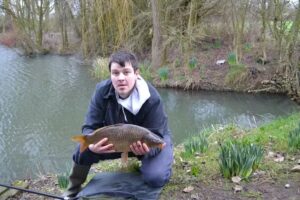
The water is associated with top‑quality fish that offer a committed fight on the line and go on to provide an enjoyable meal afterwards. For those who value well‑conditioned trout over sheer quantity, this is a significant strength. The emphasis appears to be on healthy, hard‑fighting stock that suit modern trout fishing tactics with floating lines, intermediate lines and a range of imitative patterns. Anglers who appreciate carefully managed stillwaters, rather than over‑stocked venues, are likely to see this as a major positive.
As a venue focused on traditional fly fishing for trout, Bratton Fly Fishery naturally suits anglers who come prepared with appropriate tackle and techniques. Visitors using 5–7‑weight outfits, floating and intermediate lines and a selection of nymphs, buzzers, dries and lures will be able to make full use of the water. Those looking for broader facilities such as coarse angling, carp fishing or family‑oriented mixed methods may find the offer narrower than multi‑discipline waters, so it is best suited to anglers who specifically want to fish flies.
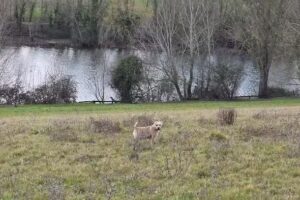
The setting, away from urban noise and traffic, adds to the experience for many visitors. A quieter environment can help anglers focus on watercraft, careful presentation and accurate casting, all essential skills in stillwater fly fishing. This calm atmosphere is a benefit for anglers who see their time at the water as an opportunity to unwind as well as catch fish, although those who enjoy large, busy complexes with on‑site cafés and shops may find the fishery relatively simple in comparison.
One aspect that stands out is how little promotional material or detailed technical information is publicly available. Prospective visitors will find only a small number of online comments and limited detail about stock policy, depth maps, recommended patterns or seasonal tactics. For experienced anglers, this can be part of the attraction, encouraging them to work things out for themselves and apply their knowledge of stillwater trout fishing. For newer anglers, however, the lack of guidance may feel challenging compared with venues that publish regular catch reports, stocking updates and suggestions for effective flies.
The small number of published reviews all point in a positive direction, but they also highlight a limitation for anyone trying to form a rounded view. When a fishery has only a handful of public comments, it is harder to assess consistency over time: water quality, stocking levels and bankside maintenance can all change, and the available feedback does not necessarily capture that. Anglers considering a visit may therefore wish to treat the comments as a snapshot rather than a comprehensive picture and be prepared for some variation in conditions.
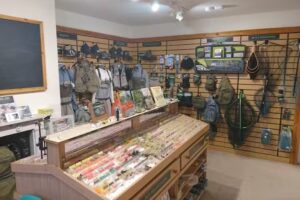
From the comments that do exist, the fishery appears to suit anglers who value a straightforward day with the fly line rather than extensive extras. There is no strong indication of on‑site tackle sales, tuition or equipment hire, so visitors are likely to need to arrive with their own gear, including appropriate fly reels, leaders, tippets and a range of patterns. For some anglers, the absence of retail pressure and upselling will be welcome; for others, particularly those who enjoy browsing fishing tackle before or after their session, this could feel like a missed opportunity.
The reports of hard‑fighting fish that also make for excellent eating suggest that the fishery pays attention to stocking quality and fish welfare. Strong, fit trout that take line confidently are an important part of what many anglers seek from a fly fishing lake, and this seems to be one of the core strengths here. Anglers who practice catch‑and‑kill within sensible limits may especially appreciate the chance to take home fish that are described as providing an A1 meal, while still enjoying sporting takes during the session.
On the other hand, the limited online presence means that information on specific rules, such as barbless‑only policies, catch‑and‑release options, bag limits or fly‑only restrictions, is not immediately obvious. For serious anglers used to planning their trips carefully, clear rules ahead of time can help in choosing tippets, fly patterns and overall tactics. In this case, visitors may need to be prepared to ask questions on arrival and adapt their approach, which will not suit everyone but does fit a more traditional, conversation‑based style of fishery management.
Compared with large commercial complexes that invest heavily in marketing and facilities, Bratton Fly Fishery comes across as a more modest, personal operation. It does not position itself as a fully equipped fishing shop or tackle superstore; instead, its value lies in access to a stocked water where anglers can practice fly fishing for trout in a relatively peaceful setting. Those who prioritise extensive on‑site amenities, café services or a full retail section may find it lacks some conveniences, while those who simply want a place to fish with a friendly welcome may find it fits their needs well.
In terms of potential downsides, the most notable is the lack of extensive, up‑to‑date detail for people planning a first visit. It is not easy to see at a glance what patterns are working best at different times of year, whether the water fishes better with nymph fishing, dry fly fishing or lures on particular days, or how the fishery responds to seasonal changes in water temperature and clarity. Anglers used to detailed catch reports, regular social media updates and frequent photos may find the low profile surprising and might prefer more transparency.
Nevertheless, the available feedback paints a picture of a venue where the basics that matter to committed fly anglers are handled well: a cordial welcome, well‑conditioned fish that fight strongly and make good table fare, and a setting that allows for focused fishing without excessive distraction. The fishery will most likely appeal to anglers who enjoy the process of reading the water, choosing their own tactics and relying on their skill with the fly rod and fly line rather than expecting constant guidance. For those looking precisely for that style of day, Bratton Fly Fishery under Mike Williams offers a traditional and understated option within the wider landscape of fly fishing venues.
For potential visitors, the key is to match expectations with what is realistically on offer. Anglers who want a quiet stillwater where they can make the most of their fly fishing tackle, from carefully chosen fly reels to hand‑picked fly boxes, are likely to appreciate the straightforward set‑up and personal approach. Those who prefer a highly structured experience with extensive written guidance, modern facilities and a broad mix of angling styles may feel that this fishery is more limited. Taking these points into account will help potential customers decide whether Bratton Fly Fishery aligns with the kind of trout fishing experience they are seeking.