Newhouse Fishery
BackNewhouse Fishery in Newhouse near Motherwell is a dedicated trout water that aims to offer an accessible, friendly and well‑run venue for both newcomers and seasoned anglers who enjoy stillwater fishing for quality fish rather than simply banking numbers.
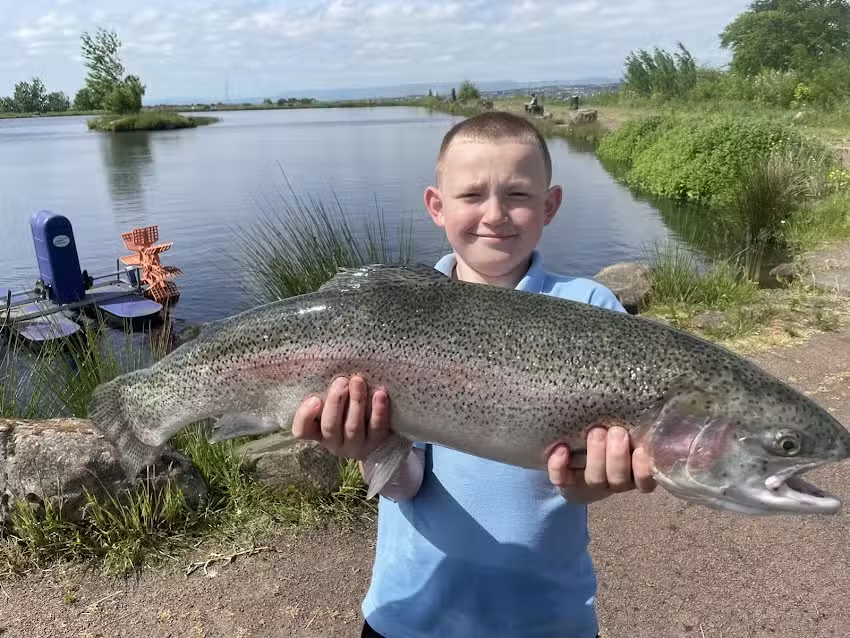
The fishery is known for regular stocking of hard‑fighting rainbow trout, often into double figures, along with other varieties such as tiger trout and, according to some visiting anglers, occasional sparctic and brown trout, giving visitors a realistic chance of connecting with something memorable on each outing. This focus on strong, well‑conditioned fish means that a day here can feel closer to a small‑water sporting venue than a heavily pressured put‑and‑take fishery, which will appeal to anglers who value quality over sheer volume. For many visitors, this makes it a worthwhile option when looking for a dedicated trout fishery rather than a mixed coarse venue.
Several anglers comment that Newhouse Fishery is compact but carefully laid out, with a main water that balances open casting space with some bank‑side features for fish to patrol. Being set just off a main road, it is convenient to reach by car, but once at the water the surroundings are described as more peaceful than the location might suggest, with enough space to enjoy a few hours of fly fishing or bait fishing without feeling crowded on most days. For those who only have limited time, this easy access and straightforward layout make it a practical choice for fitting a short session around work or family commitments.
The fish themselves are a major draw. Many visitors mention strong, energetic fish that fight well above their weight, including multiple reports of double‑figure rainbows that have to be played carefully on lighter tackle. It is not uncommon for regulars to land multiple fish in one session, with some describing days of around ten fish including different strains such as tiger trout, which provide a notably spirited battle and a change from standard stockies. Anglers who value varied sport will appreciate that the fishery does not rely on one single strain of fish, helping to keep visits interesting throughout the year.
In terms of methods, Newhouse Fishery is relatively flexible by stillwater standards, allowing both bait and fly fishing on the same main pond rather than segregating methods strictly by water. This can be attractive to families or mixed‑ability groups, where one person is keen on fly fishing for trout while others feel more comfortable with bait under a float or on the bottom. Some visitors report that the trout can become wary of large lures after seeing them repeatedly, making smaller patterns and more subtle trout flies a better choice when the water has been busy. This subtlety will appeal to anglers who enjoy adapting tactics and reading fish behaviour rather than relying solely on heavily dressed attractor flies.
The on‑site shop is frequently highlighted as a strong point. Anglers describe it as well stocked with essential tackle, from lines and leaders to a broad selection of trout fishing flies and bait, so that those arriving under‑prepared can still have a productive session. Having a knowledgeable owner and staff means that visitors can get up‑to‑date advice on which rainbow trout flies or bait colours have been working in recent days, along with tips on depth, retrieve speed and areas of the water that have been producing. For newcomers, this can take much of the guesswork out of the first visit, while experienced anglers may still appreciate local insight to fine‑tune their approach.
Staff interaction is another area where Newhouse Fishery earns consistent praise. Names such as Stevie and Josh are mentioned by visitors as being friendly, approachable and keen to share knowledge rather than guarding it. New anglers often comment that they are shown how to set up tackle, cast safely and play fish properly, with staff taking time to move between pegs and offer tips rather than staying in the shop. This hands‑on support has made the venue popular with families introducing children to freshwater fishing, as there is help available when needed rather than being left entirely to figure things out alone.
Group visits and family days seem to be a particular strength. Some visitors describe bringing several family members, including young children, and finding that staff spent time patiently helping each child to cast, hook and land fish. These accounts suggest that Newhouse Fishery is not just focused on experienced fly anglers, but also aims to be an inclusive venue where young or nervous beginners can have a positive first experience with rod in hand. For those planning a day with relatives or friends who have little previous trout fishing experience, this supportive approach can be a major factor in choosing where to go.
Beyond casual family outings, the venue is used for organised events, including charity and veterans’ days such as Forces to Fishing, where participants gather for a structured day on the water. These events underline the fishery’s willingness to host larger groups and work with organisers on providing suitable pegs, facilities and support on the bank. Anglers who enjoy the social side of coarse and game fishing may appreciate keeping an eye on local groups and social media pages to see when such events are happening, as they can offer a different atmosphere to a standard day ticket session.
Fish quality is repeatedly described as a strong positive. Anglers talk about clean, well‑finned trout that show good condition and powerful runs, which implies that stocking and handling are taken seriously. The presence of larger fish, including reported doubles, also suggests that some trout are allowed to grow on rather than being removed immediately once they reach a certain size, which adds to the appeal for those hoping for a personal‑best rainbow or tiger trout from a stillwater. For many visitors, this emphasis on fish quality is one of the reasons they choose Newhouse Fishery over more heavily pressured venues.
The atmosphere around the water is generally reported as welcoming, with both staff and regulars often ready to chat about methods and what has been working. This creates a community feel that can be reassuring, especially for newer anglers who might otherwise feel intimidated at more formal fly fisheries. Some visitors note that other anglers on the bank have offered spare flies, set‑up tips or help netting fish, which reinforces the impression of a friendly local water rather than an anonymous commercial operation.
However, no venue is without drawbacks, and potential visitors benefit from a balanced view. One limitation is that being relatively small, the water can feel busy at peak times, especially during events or on popular weekend days. This can make it harder to find a quiet corner or change pegs frequently, and those who prefer a more secluded experience may find it less appealing during these peak periods. Planning visits for quieter weekdays or early and late in the day can help mitigate this, particularly for more experienced fly fishers who value room for long casting.
The roadside location that makes the fishery convenient to reach can also mean a degree of traffic noise in certain wind directions. While many anglers report that they quickly tune this out once they are concentrating on the water and the fish, those who prioritise remote, wild surroundings might not find the setting as relaxing as more rural hill lochs or estate waters. For most day ticket anglers, though, the trade‑off between ease of access and absolute quiet is acceptable, especially when balanced against the convenience of being able to arrive and be fishing within minutes of parking.
As with many stocked trout waters, success can vary depending on conditions and angler approach. Some sessions produce multiple fish and varied species, while other days require persistence and experimentation with smaller, more natural trout lures and flies to tempt wary residents. Anglers who arrive expecting instant action on large, bright patterns may find it challenging when the fish have seen heavy pressure, and it pays to bring a selection of imitative patterns, lighter leaders and the willingness to change depth and retrieve. For those who enjoy the problem‑solving aspect of stillwater fly fishing, this can be a positive feature rather than a criticism.
Rules and ticket structures are broadly in line with other commercial trout fisheries in Scotland, with options that typically combine a set number of fish to keep and the possibility of catch‑and‑release on certain tickets or in specific areas, though visitors should always check the latest arrangements directly with the fishery before travelling. As with any managed water, adherence to fishery rules on methods, barbless hooks where required and safe handling is essential to maintain fish welfare and ensure that larger trout remain in good condition for future anglers. Responsible anglers will find that following these guidelines also improves their own results over time.
Facilities appear to focus mainly on the essentials of fishing rather than broader leisure use, so those seeking a multi‑activity site with extensive non‑angling attractions might find Newhouse Fishery more specialised than they need. For dedicated anglers and families who specifically want a day of rainbow trout fishing with supportive staff, a useful tackle shop and a realistic chance of quality fish, this specialisation is more likely to be seen as a strength. Prospective visitors may wish to check in advance what amenities are available on site and nearby, particularly if planning a full‑day visit with children.
Overall, Newhouse Fishery presents itself as a focused trout venue that aims to combine convenient access with strong fish stocks, approachable staff and a welcoming atmosphere for both new and experienced anglers. Its strengths lie in the quality and variety of its trout, the support offered to beginners and families, and the practical on‑site shop geared towards trout anglers who may need tackle or advice on the day. On the other hand, its relatively small size, proximity to a main road and the potential for busy banks at peak times may not suit those seeking a remote or secluded setting, so expectations should be matched accordingly. For anyone looking for a straightforward, well‑stocked trout fishing lake in central Scotland, with staff who genuinely engage with their visitors, Newhouse Fishery remains a venue many anglers would consider worth a visit.