Not tradeing
BackLocated in the Malthouse Business Centre on Southport Road, Ormskirk, the former establishment known as Not Tradeing once served as a small retail unit associated with local fishing tackle and outdoor supplies. Its closure left a noticeable gap for local anglers who relied on smaller, independent fishing shops for quick access to gear, bait, and local advice. While the business has ceased trading, its existence offers a lesson on how small independent bait and tackle providers fit into the wider angling community of Lancashire.
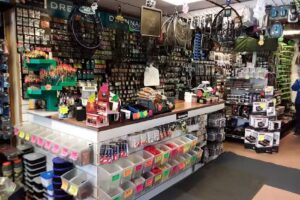
Not Tradeing, despite its ironically apt name, was described by locals as a modest store that attempted to cater to enthusiasts seeking practical fishing gear rather than luxurious brands. It served as a convenient point for those purchasing everyday items – from hooks, lines, and sinkers to essential terminal tackle. Some past customers noted that the shop’s size limited its selection, but others appreciated its straightforward approach and friendly service. The absence of overly commercialised branding gave it a local charm, one that many anglers valued when comparing it to large-chain sports retailers.
The shop’s closure reflects the increasing challenges faced by independent angling equipment outlets, particularly as online shopping dominates the market. Anglers today are often drawn to digital platforms offering competitive prices and broader product ranges. Yet, what stores like Not Tradeing brought to the local community went beyond product variety – they provided local fishing knowledge, updates on coarse fishing venues, and personable service difficult to replace through e-commerce.
One recurring theme in reviews and online comments was that Not Tradeing faced difficulties in maintaining consistent stock of branded carp rods, fishing reels, and high-quality bait. Customers searching for specific makes or premium tackle were sometimes advised to pre-order or visit larger stores in neighbouring towns. This inconvenience may have hindered repeat visits, especially for seasoned anglers accustomed to bigger inventories.
On the positive side, many appreciated the accessibility of the unit. Located within a shared commercial centre, parking and access weren’t an issue, which is increasingly valuable for customers who regularly transport bulky fishing poles and gear boxes. The staff’s informal but enthusiastic attitude stood out in several reviews, signalling that the store prioritised genuine interest in the sport over profits. In this sense, it served as more than a shopping point – it was a meeting space for those passionate about angling around Ormskirk, Scarisbrick, and the surrounding areas.
However, its limited marketing presence made it difficult for new customers to discover the shop. Even today, very little remains online regarding its inventory or history. This reflects a common issue with older fishing tackle shops that did not transition effectively into the era of social media or digital sales platforms. While this analogue approach conveyed authenticity, it reduced visibility, especially among younger anglers who discover shops through online search engines rather than word-of-mouth.
It’s worth noting that stores like Not Tradeing often thrived on regulars — people who visited weekly, sometimes just to chat about the best carp bait or water conditions in local reserves. Losing such a space impacts not only access to equipment but also the social fabric of angling communities. These independent venues historically nurtured newcomers, offering guidance on fishing licences, seasonal restrictions, and conservation ethics, all of which are vital parts of maintaining healthy waterways and responsible fishing culture in the UK.
Though short-lived, Not Tradeing exemplified a specific type of retail resilience. Many similar outlets across Britain have faced comparable circumstances, where tight margins and supplier competition gradually constrained viability. While Ormskirk anglers now rely on larger online-based stores or travel to regional centres, the closure highlights the ongoing shift from traditional bait and tackle shops to e-commerce-driven models. For some, this represents convenience; for others, it marks the decline of community-driven angling trade.
In evaluating the store’s legacy, its strengths lay in personable service, locally focused stock, and accessibility. The weaknesses were evident in its online invisibility, inconsistent inventory, and inability to scale. Lessons from its operation remain relevant today: successful small fishing tackle suppliers must blend personal expertise with digital outreach, offering both the human connection and the modern convenience expected by today’s anglers.
Ultimately, the story of Not Tradeing mirrors the broader journey of independent fishing gear shops in rural England. Though it no longer operates, locals still recall its helpful attitude and approachable layout. For potential entrepreneurs considering entering the fishing retail market, examining such businesses offers important insights into surviving a niche yet passionate sector. Balancing affordability with quality, and tradition with technology, will determine the future of community-oriented angling shops in towns like Ormskirk and beyond.